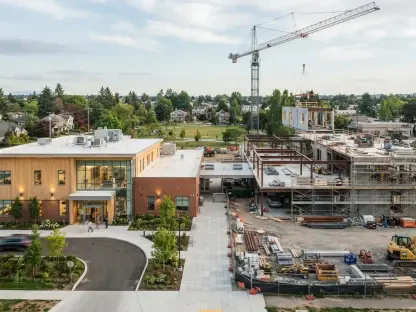

The challenge of providing high-quality care for an aging population requires more than just additional beds; it demands a fundamental shift in how societies design and integrate senior living into the broader community. In Cambridge, the official opening of the Ed and Karen Nowak Long-Term Care Home represents a significant milestone in this ongoing transformation, offering a sophisticated blend of modern medical infrastructure and compassionate living environments. Operated by Fairview Mennonite Homes, this newly redeveloped facility effectively expands regional healthcare capacity by introducing 108 brand-new beds and upgrading 84 existing ones to align with contemporary safety and comfort standards. This expansion was accelerated by a provincial construction funding subsidy, which incentivized the creation of a state-of-the-art facility tailored to meet the complex needs of residents. By prioritizing these structural advancements, the government is ensuring that seniors can age with dignity and access specialized support without having to leave their familiar local surroundings.
Innovations in Care and Regional Economic Development
Modern Facility Design: Enhancing Privacy and Community
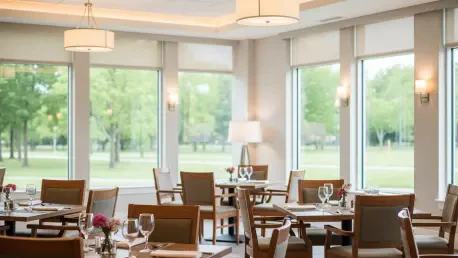
The architectural strategy employed at this new facility deviates from traditional institutional layouts by embracing a resident-centric philosophy that prioritizes social connectivity and personal comfort. By organizing the 192-bed home into six distinct resident home areas, each accommodating 32 individuals, the design creates a more manageable and familiar scale for those living within its walls. These zones are fully self-contained, featuring dedicated dining rooms and activity spaces that encourage residents to form tight-knit social circles within a smaller communal setting. This approach effectively minimizes the feeling of being in a large, clinical environment and instead fosters a sense of belonging and community. Private lounges and quiet areas are strategically distributed throughout each zone, ensuring that residents have ample opportunities for both social engagement and peaceful reflection. This thoughtful configuration is essential for maintaining the emotional well-being of seniors.
Beyond the internal structure of the facility, the home serves as a vital component of a comprehensive campus-of-care model that integrates various levels of senior support within a single geographic location. This vibrant environment includes a Seniors Active Living Centre and independent living units, which allow for a seamless transition as the medical and social needs of residents evolve over time. This connectivity ensures that individuals can remain within the same community and maintain existing friendships regardless of the level of care they require. Furthermore, the design places a heavy emphasis on access to nature, incorporating secure landscaped courtyards and elevated balconies that provide scenic views and fresh air. Geriatric health experts often point to regular outdoor access as a critical factor in enhancing cognitive function and reducing stress among long-term care residents. By providing safe and accessible green spaces, the facility encourages physical movement and sensory stimulation for all.
Strategic Infrastructure: Economic Growth and Policy Shift
The redevelopment of this facility represents a substantial investment in the Cambridge regional economy, demonstrating how healthcare infrastructure projects can serve as powerful catalysts for local job creation. It is estimated that the operation of the new home will sustain over 200 permanent positions across a diverse array of sectors, including clinical nursing, personal support, nutritional services, and facility administration. By creating these opportunities within the municipality, the project helps to strengthen the local labor market and provides stable employment for residents living in the surrounding area. This economic boost extends beyond direct employment, as the procurement of local goods and services for the facility’s daily operations further supports small businesses in the region. Strengthening the healthcare workforce is particularly important as the demand for specialized senior care continues to grow, ensuring that families can find support for their loved ones.
This project is a critical component of a broader provincial mandate to create or redevelop approximately 58,000 long-term care spaces by 2028, a goal necessitated by the rising demand from an aging demographic. To complement new builds, the Ministry of Long-Term Care introduced a dedicated Renovation Program to address the needs of existing buildings that remain structurally sound but require internal upgrades. This policy evolution recognizes that a one-size-fits-all approach to infrastructure is insufficient, especially in dense urban areas where space for new construction is limited or costs are prohibitively high. By providing a clear financial pathway for major repairs and mechanical improvements, the province can preserve its current bed capacity while ensuring that older homes are brought up to contemporary standards. This modernization process is essential for preparing the healthcare system for future challenges, as it allows for better management of respiratory illnesses and other health concerns.
Future Directions for Regional Senior Care
The establishment of the Cambridge facility demonstrated that strategic investments in healthcare infrastructure successfully addressed the immediate needs of seniors while fostering long-term regional stability. Looking ahead, the provincial authorities identified the necessity of maintaining this momentum through the continuous monitoring of facility performance and the adaptation of care protocols to meet evolving medical standards. Decision-makers recognized that the next logical step involved the integration of digital health technologies into these modern homes to further enhance resident safety and streamline administrative tasks. To ensure the sustainability of this model, stakeholders suggested that future policies should focus on enhancing the recruitment and retention of specialized healthcare workers through improved training programs and career development pathways. By reviewing the successes of this home, planners gained valuable insights into the importance of social connectivity and person-centered design.