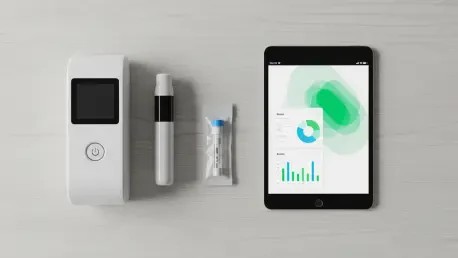

Healthcare systems are currently at a crossroads where the immediate need for diagnostic precision is clashing with the slow administrative gears of traditional laboratory testing infrastructure. Lumos Diagnostics stands at the center of this friction, having successfully transitioned from the speculative phases of clinical research into a high-stakes period of commercial scaling across the United States. This evolution is spearheaded by the rapid adoption of FebriDx, a handheld tool that allows clinicians to distinguish between bacterial and viral respiratory infections in less time than it takes to process a standard insurance claim. As the company moves away from isolated pilot programs toward expansive, network-wide deployments, it is increasingly viewed as a bellwether for the point-of-care diagnostics sector. The urgency for such technology is amplified by the persistent global threat of antibiotic resistance, which demands that providers make evidence-based decisions in real-time rather than relying on the “wait and see” approach of previous decades.
Transforming Point-of-Care Diagnostics
Leveraging Host-Response Science for Antibiotic Stewardship
FebriDx represents a fundamental shift in how respiratory ailments are managed by focusing on the human immune system rather than the elusive presence of a specific pathogen. Traditional diagnostic methods often require days to culture bacteria or specific viral loads, but this technology utilizes a simple finger-prick blood sample to measure key biomarkers associated with the body’s host response. By analyzing proteins like Myxovirus resistance protein A and C-reactive protein, the device provides a snapshot of how the patient is reacting to the infection, which is often a more reliable indicator for treatment than merely detecting a virus that might be lingering from a previous exposure. This high-confidence methodology is particularly valuable in urgent care settings where the pressure to prescribe antibiotics is immense, often leading to over-prescription and the subsequent rise of resistant superbugs that currently threaten the broader landscape of public health safety.
The integration of host-response science into daily clinical workflows provides a tangible solution to the growing crisis of antibiotic stewardship by identifying patients who truly require antimicrobial intervention. In many instances, symptoms of viral and bacterial infections overlap so significantly that even experienced clinicians struggle to differentiate them without the aid of advanced laboratory work. By delivering actionable results within ten minutes, FebriDx empowers healthcare providers to confidently withhold antibiotics from patients with viral infections, thereby reducing unnecessary drug exposure and slowing the development of resistance. This approach not only preserves the efficacy of existing medications but also enhances the overall patient experience by providing immediate clarity and a directed care plan. Consequently, the adoption of this technology is becoming a standard marker of quality care in facilities that prioritize evidence-based medicine and long-term community health.
Navigating Regulatory Milestones and Market Access
The commercial viability of this host-response technology was significantly bolstered by the recent acquisition of a U.S. CLIA waiver, a regulatory milestone that serves as the primary gatekeeper to the broader American healthcare market. Before this clearance, FebriDx was largely confined to high-complexity laboratory environments, which restricted its utility in the very settings where it was most needed. Now, with the CLIA waiver in place, the device can be legally operated by non-laboratory personnel in local clinics, pharmacies, and urgent care centers across the country. This removes the administrative and logistical barriers that previously stifled growth, allowing Lumos to target the highest-volume segments of the medical industry where speed and ease of use are prioritized. The ability to deploy these tests in decentralized locations means that the diagnostic process is finally moving closer to the patient, aligning with modern trends in convenient healthcare delivery.
Beyond the immediate regulatory relief, the CLIA waiver serves as a powerful validation of the device’s simplicity and reliability, which are essential factors for widespread clinical adoption. Regulatory bodies require rigorous evidence that a test can be performed accurately by staff without specialized laboratory training before granting such status, making this a significant competitive moat for Lumos. With this hurdle cleared, the company has pivoted its focus toward aggressive sales training and marketing initiatives designed to educate front-line medical staff on the benefits of rapid testing. The move into the CLIA-waived market effectively increases the total addressable market by several orders of magnitude, as it includes thousands of urgent care sites that represent the front lines of respiratory illness management. This strategic positioning ensures that the company is prepared to capture a significant share of the point-of-care market as providers seek more efficient diagnostic tools.
Executing a Scalable Commercial Strategy
Converting Strategic Partnerships into Recurring Revenue
A major indicator of commercial momentum is the deepening relationship between Lumos and WellStreet Urgent Care, which has moved beyond initial testing phases into a comprehensive, network-wide rollout. What distinguishes this partnership from typical equipment sales is the implementation of a “standing order” protocol at multiple high-traffic locations, ensuring that the test is integrated into the standard workflow for every patient presenting with respiratory symptoms. This shift from discretionary, physician-led ordering to a systematic clinical standard is the key driver of the high-volume consumption required for long-term profitability. By making FebriDx a default step in the diagnostic pathway, WellStreet is demonstrating how point-of-care tools can improve operational efficiency while simultaneously enhancing the quality of patient care. This systematic approach serves as a blueprint for future partnerships with other large-scale healthcare networks looking to standardize processes.
The transition to a protocol-based usage model creates a predictable revenue stream that is much more attractive to institutional investors than the sporadic sales cycles of the past. When a diagnostic test becomes an integral part of the clinical pathway, it generates recurring demand that scales directly with patient volume, regardless of individual physician preferences or varying levels of diagnostic confidence. This consistency allows Lumos to better forecast production needs and optimize its supply chain, reducing the overhead costs associated with inventory management. Furthermore, the success seen at WellStreet provides a compelling case study that the company can present to other major urgent care groups, proving that the technology can be seamlessly integrated without disrupting the fast-paced nature of these clinics. As more networks adopt similar standing orders, the cumulative effect on the company’s financial performance is expected to be transformative, signaling a true breakout.
Managing Micro-Cap Risks and Market Catalysts
While the operational growth of Lumos Diagnostics is undeniable, the company still carries the inherent risks associated with its status as a micro-cap entity navigating a capital-intensive industry. Historically, the firm has burned through cash to fund the research and regulatory hurdles necessary for market entry, leaving its current cash runway as a critical metric for institutional and retail investors alike. Monitoring quarterly reports is essential to determine if the revenue generated from the new commercial rollout is successfully narrowing the gap against ongoing operating expenses. The transition from a research-focused organization to a lean, sales-driven machine requires a delicate balance of cost management and strategic investment. Stakeholders specifically analyzed the transition from 2026 to 2028 as the defining window for achieving a self-sustaining cash flow through operational efficiencies and the realization of larger distribution contracts.
Ultimately, the successful commercialization of this technology rested on the company’s capacity to maintain its logistical momentum while simultaneously educating the broader medical community on the long-term benefits of host-response testing. Looking toward the final months of the current year, the company’s valuation depended heavily on its ability to transition its extensive list of “accounts in validation” into active, revenue-generating clinical sites. The seasonal nature of respiratory illnesses provided a predictable window for growth, as healthcare providers sought tools to manage the influx of symptomatic patients during the colder months. Although competition from other diagnostic giants remained fierce, the unique host-response data provided by FebriDx offered a distinct competitive advantage that many established players struggled to replicate. These strategic efforts established a viable path for the firm to achieve financial stability while addressing the urgent global need for improved stewardship.