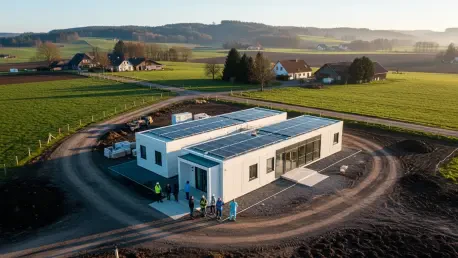

Deep in the rugged highlands of Guatemala, where the mist frequently blankets the volcanic peaks surrounding Lake Atitlán, a quiet medical revolution is fundamentally altering the survival prospects of the Indigenous Maya population. For decades, the Tz’utujil, Kaqchikel, and K’iche peoples faced a stark reality where geographic isolation and systemic neglect meant that a manageable infection or a complicated labor could easily result in a preventable tragedy. Hospitalito Atitlán has risen as a definitive answer to this crisis, evolving from a modest grassroots clinic into a highly sophisticated surgical and emergency hub that serves a massive catchment area of 100,000 residents. Under the visionary leadership of Executive Director Dr. Manuel González, the facility has transcended the limitations typically associated with rural medicine in developing nations. This transformation has been catalyzed by a deep, multi-year strategic partnership with Direct Relief, which has funneled millions of dollars in advanced medical technology and supplies into the region. By modernizing its infrastructure, the hospital ensures that the high-altitude communities of Santiago Atitlán are no longer excluded from the benefits of contemporary clinical science and emergency surgical interventions.
Reducing Maternal Mortality and Strengthening Specialized Care
Advancing Maternal Health Outcomes through Modern Protocols
The most visible success of the hospital’s recent efforts is found in the dramatic and sustained reduction of maternal mortality rates, which were once among the highest in the nation. In these rural stretches, the cultural preference for home births, while deeply respected, often left women vulnerable to catastrophic events like postpartum hemorrhaging or obstructed labor without a safety net. To address this, Hospitalito Atitlán implemented a series of “finely honed protocols” that bridge the gap between traditional midwifery and modern obstetrics. These protocols prioritize rapid response and immediate surgical intervention for high-risk transfers, ensuring that the critical “golden hour” for trauma and hemorrhage is never wasted. The results are statistically staggering: for two consecutive years, including the period from 2024 to 2026, the facility has maintained a record of zero maternal deaths despite managing hundreds of complicated cases. This achievement signifies a monumental shift in regional health outcomes, proving that targeted investment can erase long-standing mortality disparities.
The reliability of these maternal health outcomes is built upon a foundation of consistent access to life-saving resources that were previously unavailable in the highlands. A mother arriving with a life-threatening hemorrhage now benefits from an immediate availability of blood for transfusion and a surgical team ready to perform an emergency C-section within minutes of her arrival. This level of readiness is not merely a logistical convenience but a fundamental human right that the hospital has fought to establish in a region historically marked by medical scarcity. By providing a safe environment where traditional birth attendants are encouraged to bring in patients at the first sign of trouble, the hospital has fostered a collaborative ecosystem rather than a competitive one. This synergy between ancient traditions and modern emergency medicine has saved countless lives, ensuring that children grow up with their mothers and that families remain whole. The hospital’s ability to handle over 300 high-risk maternal cases with a perfect survival rate is a testament to the power of specialized rural care.
Expanding Surgical Services and Localized Specialty Medicine
Beyond the critical focus on maternal health, Hospitalito Atitlán has successfully diversified its clinical portfolio to become a comprehensive regional center for specialized medicine. In the past year alone, the medical staff performed nearly 900 surgeries, a volume that rivals some urban centers and addresses a wide spectrum of health issues ranging from routine appendectomies to complex orthopedic procedures. The permanent presence of specialists in gastroenterology, ophthalmology, and general surgery means that residents no longer have to suffer in silence or rely on substandard care for chronic conditions. This localized expertise is vital because it addresses the “tyranny of distance” that has long plagued the Guatemalan highlands. Previously, the only hope for specialized treatment involved a treacherous, multi-hour journey to Guatemala City—a trip that many impoverished families simply could not afford and many critically ill patients could not survive. By anchoring these services in Santiago Atitlán, the hospital has effectively democratized access to high-tier medical expertise.
Furthermore, the hospital serves as a vital platform for international surgical missions, which bring highly specialized skills, such as advanced hand surgery and reconstructive procedures, directly to the Indigenous population. These visiting teams work alongside local doctors, facilitating a knowledge exchange that continuously elevates the standard of care available on a daily basis. The impact of this localized specialty medicine extends far beyond the operating room; it restores the economic viability of families by treating the breadwinners who would otherwise be sidelined by physical disabilities. When an indigenous farmer receives a successful hernia repair or a grandmother has her vision restored through cataract surgery, the ripple effects benefit the entire community. This comprehensive approach to healthcare ensures that the hospital is not just a place for dying, but a place for healing and long-term recovery. The transition to a full-service surgical facility has redefined what is possible for rural healthcare delivery, setting a new benchmark for other regions to follow.
Modernizing Infrastructure and Cultivating Cultural Trust
Strategic Aid and Critical Infrastructure Development
The physical and technological expansion of Hospitalito Atitlán is inextricably linked to the $7.7 million in material aid provided by Direct Relief, which has focused on building long-term resilience rather than just providing temporary fixes. One of the most transformative additions to the facility is the on-site medical oxygen plant, a piece of infrastructure that proved its worth during recent respiratory health crises. This plant provides a continuous, high-purity supply of oxygen piped directly to patient bedsides and operating theaters, eliminating the logistical nightmare of transporting heavy tanks over mountainous terrain. Interestingly, the plant generates a surplus of oxygen, which the hospital shares with local volunteer firefighters and emergency responders, thereby strengthening the entire local emergency response network. This move toward self-sufficiency ensures that the hospital can maintain its life-saving functions even when external supply chains are disrupted by weather or political instability, creating a permanent island of stability for the 100,000 people it serves.
Strategic infrastructure development also includes the critical area of blood banking and cold chain management, which are essential for treating the leading causes of maternal and trauma-related deaths. With specialized medical refrigeration units supplied through international partnerships, the hospital has moved closer to obtaining a full-scale blood bank license, which will allow it to collect, screen, and store blood units on-site. This capability is a game-changer for a rural facility, as it removes the delay of waiting for blood products to arrive from distant urban centers during a hemorrhage emergency. Every refrigerator and diagnostic machine added to the facility represents a calculated step toward clinical independence and increased patient safety. These technological advancements are integrated into a facility designed to withstand the seismic activity of the region, ensuring that the hospital remains operational when the community needs it most. By investing in high-quality hardware and reliable power systems, the hospital has built a fortress of health that protects the most vulnerable members of the Maya community.
Bridging Cultural and Linguistic Gaps in Indigenous Care
A sophisticated surgical center would remain underutilized if the local population did not trust the people inside its walls; therefore, Hospitalito Atitlán has prioritized cultural competence as a core clinical requirement. Approximately 90% of the hospital staff are recruited from the local area and are fluent in Indigenous languages such as Tz’utujil, Kaqchikel, and K’iche. This linguistic alignment is crucial because it allows patients to describe their symptoms with nuance and receive instructions in their primary tongue, reducing the risk of misdiagnosis and increasing treatment adherence. When a patient enters the hospital and hears their native language, the inherent power imbalance between doctor and patient is mitigated, fostering an environment of mutual respect. This approach recognizes that healthcare is not just a biological transaction but a social one that requires the recognition of the patient’s identity and heritage. By employing local professionals, the hospital also acts as an engine for economic mobility, providing high-level career paths for Indigenous youth within their own communities.
This deep integration into the cultural fabric of Santiago Atitlán has allowed the hospital to overcome the historical skepticism that many Indigenous groups feel toward Western-style institutions. The facility does not seek to replace traditional Maya medicine but rather to provide a complementary path for acute and complex conditions that traditional methods cannot resolve. This respectful coexistence is evident in how the hospital engages with traditional birth attendants, treating them as valued partners in the maternal health continuum. By creating a space where Indigenous traditions are respected and linguistic barriers are non-existent, the hospital has seen a marked increase in patients seeking early intervention for chronic illnesses. This shift from reactive, emergency-based care to proactive health management is only possible because the community views the hospital as “theirs” rather than an external entity. The success of this cultural bridge-building serves as a powerful reminder that the best medical technology in the world is ineffective if it is not delivered through a lens of empathy and cultural understanding.
Fulfilling National Promises and Future Sustainability
Aligning Local Healthcare with National Peace Accords
The ongoing success and expansion of Hospitalito Atitlán are viewed by regional leaders as a tangible fulfillment of the 1996 Peace Accords, which sought to address the deep-seated inequalities that fueled decades of civil conflict. One of the primary pillars of these accords was the decentralization of essential services, ensuring that the rural Indigenous populations—who bore the brunt of the violence—would have equal access to healthcare and education. By establishing a world-class surgical center in the highlands, the hospital is actively correcting the historical bias that concentrated medical resources in the capital city. It serves as a living laboratory for how the state and international NGOs can collaborate to provide high-quality services in “hard-to-reach” areas. Dr. González and his team have proven that being rural does not have to mean being substandard, and their work provides a roadmap for other provinces seeking to improve their own health indicators. The hospital is not just a medical facility; it is a symbol of the progress toward a more equitable and inclusive Guatemalan society.
The decentralization of specialized care also has significant macroeconomic benefits, as it reduces the financial burden on the national health system by preventing minor issues from becoming expensive, late-stage emergencies. When Hospitalito Atitlán treats a patient for a condition that would have otherwise required a government-funded transport to the city, it saves the state valuable resources while providing a better outcome for the individual. This model of regional development demonstrates that investing in local capacity is the most sustainable way to achieve national health goals. The facility’s ability to maintain high standards of care while operating in a culturally specific context provides a powerful argument against the “one-size-fits-all” approach to national healthcare planning. As the hospital continues to grow, it strengthens the social contract between the government and its Indigenous citizens, proving that the promises made during the peace process can be kept through dedicated local action. The institution stands as a beacon of social equity, showing that geography should never dictate the quality of care a human being receives.
Sustaining Growth through International and Local Synergy
The trajectory of Hospitalito Atitlán suggests a future where the facility continues to expand its licensing and specialty offerings, eventually becoming a teaching hospital for the next generation of Indigenous medical professionals. To ensure this growth remains sustainable, the hospital is increasingly focusing on diversifying its funding streams and deepening its technical integrations with global partners like Direct Relief. The next logical steps involve the formalization of the blood bank and the expansion of the telemedicine program, which will allow local doctors to consult with specialists around the world in real-time. These advancements will further insulate the community from the limitations of their physical location, bringing the global medical community to the shores of Lake Atitlán. The synergy between local expertise and international support creates a resilient framework that can adapt to new health challenges as they arise. This proactive stance ensures that the hospital remains a “blessing” for the 100,000 people it serves, providing a permanent solution to a problem that was once thought to be insurmountable.
In conclusion, the evolution of Hospitalito Atitlán from a small clinic into a regional powerhouse of specialized medicine was achieved through a combination of cultural empathy and high-tech infrastructure. The facility moved beyond the basic delivery of aid to create a self-sustaining ecosystem that prioritizes maternal safety, surgical excellence, and linguistic inclusion. Future efforts should focus on replicating this model in other underserved regions of the highlands, using the Santiago Atitlán experience as a template for rural health transformation. By continuing to invest in on-site oxygen production, blood storage, and professional development for local staff, the hospital ensures that the Indigenous populations of Guatemala are no longer left behind. The transition into a sophisticated medical hub was not an overnight occurrence but the result of a deliberate, well-funded strategy to uphold the dignity of every patient. As the facility enters its next phase of service, it remains a testament to the fact that with the right partnerships and a commitment to cultural competence, even the most isolated communities can access world-class healthcare.