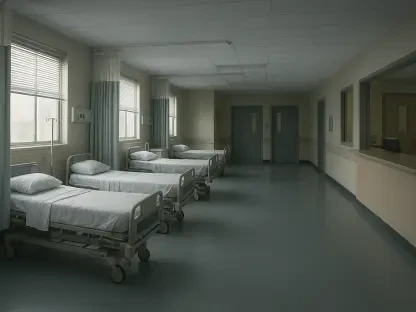

The recent announcement by the World Health Organization regarding an emergency allocation of eight hundred thousand dollars to Iran highlights a nation teetering on the edge of a total medical infrastructure failure following months of sustained regional instability. This emergency injection from the Contingency Fund for Emergencies arrives at a pivotal moment, as the domestic healthcare system grapples with the aftermath of intense hostilities that have paralyzed essential services across several provinces. Since late February, the human cost has been staggering, with documented casualty figures reaching over twenty-three hundred deaths and more than thirty-two thousand injuries. Beyond the immediate physical trauma, the sheer volume of patients has overwhelmed existing facilities, many of which are struggling to maintain basic sanitation and surgical capabilities. While a fragile ceasefire has recently slowed the influx of new combat-related injuries, the public health landscape remains precarious due to the cumulative destruction of specialized medical clinics.
Strategic Intervention: Restoring Vital Medical Capabilities
The strategic deployment of these emergency funds focuses primarily on stabilizing the power infrastructure and replacing essential medical equipment in forty-eight damaged hospitals. A major hurdle for clinicians has been the intermittent nature of the electrical grid, which frequently compromises life-saving machinery like ventilators and neonatal incubators. To address this, the World Health Organization is prioritizing the procurement of power stabilization systems alongside trauma kits and non-communicable disease supplies. Furthermore, the initiative seeks to coordinate specialized emergency medical teams to provide surge capacity in regions where local staff have been most affected by the volatility. The toll on personnel has been particularly severe, with twenty-five health workers losing their lives and many others facing profound psychological stress. Consequently, a portion of the funding is dedicated to mental health support for these frontline responders, ensuring that the remaining workforce can continue to operate under extreme pressure.
The initial financial injection functioned as a critical stopgap, yet it represented only a small fraction of the seven million dollars required to fully stabilize the regional health sector. Experts observed that while the immediate restoration of power and equipment addressed the most visible symptoms of the crisis, the long-term viability of the Iranian medical system depended on sustained international cooperation and the lifting of logistical barriers. This response underscored the necessity of a unified global strategy to prevent the total systemic collapse of public health in conflict zones. Future efforts shifted toward building structural resilience, moving beyond emergency repairs to establish decentralized supply chains for essential pharmaceuticals. The international community was encouraged to view this intervention as a blueprint for rapid response, emphasizing that timely funding prevented secondary health catastrophes. By prioritizing the protection of medical neutral zones, stakeholders ensured that the framework for recovery remained intact.