
There is no question that the recent COVID-19 pandemic has greatly impacted the US healthcare system, exposing its weak vulnerabilities and creating numerous challenges for its future. According to the Organization for Economic Cooperation and Development ( OECD ), this is true for many countries
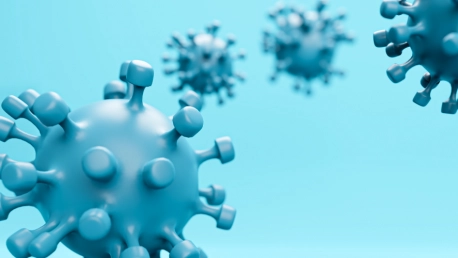
More than 1,044,000 Americans have lost their lives due to COVID-19 since the beginning of the healthcare crisis, according to the Centers for Disease Control and Prevention (CDC). However, with new prevention methods, vaccines, and treatments widely available in the US and abroad, people have
COVID-19 has undoubtedly changed the way people around the world think about diseases, and it also changed the way policymakers, scientists, and health authorities respond to new outbreaks. After more than two years of fighting the SARS-CoV-2 virus, a recent outbreak is now threatening to become a
The COVID-19 pandemic has undoubtedly changed the lives of people everywhere, disrupting the way they live, work and socialize. With vaccines and treatments now widely available, and the new variants of the SARS-CoV-2 virus proving less dangerous than the initial strains, many had hoped that 2022
A multi-country monkeypox outbreak is causing concern around the world, as more and more people get infected with the virus. According to the World Health Organization (WHO), 23 United Nations (UN) member states, across four different regions that are not endemic for the virus, have reported new
The World Health Organization (WHO) recently published a statement about several cases of acute hepatitis, with unknown origin, appearing in the UK. According to the WHO, 74 cases were identified in the UK up until April 8th—many of the cases affecting children under the age of 10. Although