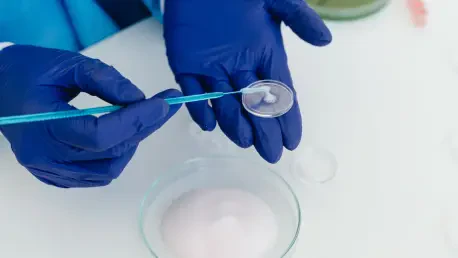

The ACT Facility maintains fourteen specialized laboratories with strictly controlled air filtration and humidity to meet stringent FDA cleanroom standards. This infrastructure serves as the backbone for one of the most sophisticated immunotherapy programs in the United States, positioning North Carolina as a central hub for precision oncology. Pediatric oncologists like Barbara Savoldo work tirelessly to provide options for young patients who have exhausted traditional treatments like chemotherapy. The facility specializes in Chimeric Antigen Receptor (CAR) T-cell therapy, a process that effectively turns a patient’s own immune system into a targeted weapon against malignant cells. By re-engineering white blood cells, scientists create a living drug that circulates through the body, seeking out and destroying cancer while offering long-term protection against potential recurrence. This transformative approach represents a shift in clinical practice, moving away from generalized treatments toward truly personalized medicine.
1. Obtaining Consent and Isolating Target Immune Cells
The therapeutic journey for each patient begins with a comprehensive consultation involving a multidisciplinary medical team to ensure a clear understanding of the risks and rewards. During this initial phase, clinicians discuss the specific treatment protocol in detail, addressing the technical aspects of cellular engineering and the expected clinical outcomes. Once the patient provides informed consent, the logistical process of manufacturing the personalized therapy commences immediately. A standard blood draw is the first physical step in this complex cycle, serving as the source for the raw biological material needed for modification. This procedure is handled with extreme care to maintain the integrity of the sample, as the health of the collected cells directly impacts the success of the subsequent manufacturing stages. The facility operates with a sense of urgency, knowing that for many individuals battling aggressive blood cancers, time is the most critical factor in their recovery.
Once the blood reaches the laboratory, the next critical objective involves the separation of specific immune components from the bulk sample using a specialized machine. This process, known as leukapheresis, utilizes centrifugal force and sophisticated filtration to isolate white blood cells, particularly T-cells, from red blood cells and plasma. The purity of this cell population is vital because any contaminating cells could interfere with the effectiveness of the chimeric antigen receptor integration later on. Technicians monitor the machinery closely, adjusting parameters in real-time to optimize the yield based on the individual characteristics of the patient’s blood. This step transforms a standard biological sample into a concentrated set of tools that will soon be re-engineered to recognize and attack specific protein markers. Since many patients have already undergone intensive treatments, their immune systems may be compromised, making the quality of the starting material a variable factor.
2. Modifying Cells via Viral Vector and Cultivating Populations
The transformation of ordinary T-cells into “superpowered” cancer fighters occurs during the genetic modification stage, where a viral vector is introduced to the culture. This deactivated virus serves as a precise delivery vehicle, carrying the genetic instructions for the Chimeric Antigen Receptor directly into the DNA of the T-cells. These receptors act like a guidance system, allowing the immune cells to lock onto specific antigens present on cancer cells with unparalleled accuracy. This step represents the pinnacle of modern biotechnology, merging virology and immunology to rewrite the functional capabilities of human cells. Researchers manage the incubation period to ensure the virus successfully penetrates the cell membranes and integrates the new genetic code without causing unintended damage to the host cell. This genetic reprogramming is the core innovation of CAR T-cell therapy, providing the immune system with the specific intelligence it needs to bypass the cloaking mechanisms used by tumors.
Once the modification is complete, the cells must be expanded into a therapeutic dose consisting of millions of individual T-cells within a highly controlled incubator. During this period of growth, the laboratory staff maintains a rigorous monitoring schedule, checking the culture daily for signs of vigorous health and appropriate expansion rates. Specialized sensors within the bioreactors provide real-time data on the metabolic state of the culture, allowing for precise adjustments to the growth media as needed. Safety is a primary concern, and the facility employs an exhaustive testing regimen to guard against any form of contamination from bacteria or fungi. Additionally, the researchers monitor the T-cells for signs of exhaustion, a state where the cells lose their ability to divide effectively. By using innovative techniques, the team at UNC Lineberger aims to promote the development of T memory stem cells that can persist in the patient’s body for years, providing a long-term surveillance system.
3. Executing Quality Control and Approving Clinical Delivery
Before any batch of CAR T-cells can be released for clinical use, it must undergo a final battery of quality control tests that serve as the ultimate safeguard. These checks verify that the product meets every predetermined specification for potency, purity, and safety. One significant test involves a potency assay, where a small sample of the engineered T-cells is placed in a dish with tumor cells to confirm they can successfully kill the target. If the cells fail to demonstrate this behavior in the lab, they are not cleared for patient use. Beyond functional potency, the quality control team also performs deep-sequencing to confirm the genetic stability of the modified cells. Assistant Director Colin Mudd oversees these quality assurance measures, emphasizing that the delicate nature of cellular therapy requires an uncompromising commitment to detail. Each patient’s batch is treated as a unique pharmaceutical entity, ensuring that the infused cells are both safe and prepared to engage the tumor.
The final stage of the laboratory process involved the formal approval and preparation for shipment back to the medical center for infusion. Once all quality control metrics were satisfied, the CAR T-cells were packaged in specialized containers designed to maintain a stable environment during transit. This logistical coordination proved essential, as the timing of the infusion was synchronized with the patient’s clinical readiness to maximize efficacy. Looking back at the advancements made by 2026, the success of the ACT Facility prompted further investment in cellular therapy infrastructure. A significant donation enabled the recruitment of new faculty and the scaling of clinical trials to target an even wider range of cancers, including difficult solid tumors. These collective efforts moved the medical community closer to a reality where cancer was managed as a treatable condition. Clinicians monitored the patients closely following treatment to ensure the newfound immune capabilities led to remission.