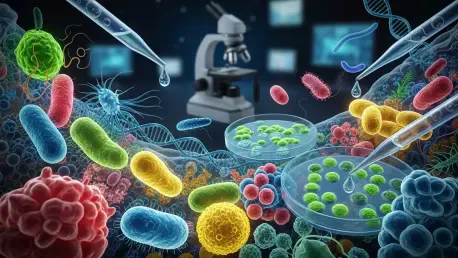

The longstanding paradigm that viewed oncogenesis as a purely genetic malfunction has been superseded by a nuanced understanding of how trillions of microscopic organisms influence cellular health and disease progression. For decades, the focus of precision medicine remained strictly on the mutations within human DNA, but recent advancements in metagenomics have revealed that the microbiome acts as a vital organ system in its own right. These microbial communities, residing in the gut, skin, and even within tumor tissues, are no longer seen as mere spectators. Instead, they function as metabolic powerhouses that can either suppress tumor growth or provide the inflammatory signals necessary for a cancer to take root and spread. This shift toward a holistic ecological model suggests that a patient’s response to therapy depends as much on their internal flora as it does on their genetic profile. By integrating these microbial variables, oncology is entering a more comprehensive phase where the treatment of the host environment is just as critical as the direct targeting of the tumor itself.
The Biological Underpinnings: How Dysbiosis Triggers Tumor Growth
The journey toward malignancy often begins with the breakdown of microbial homeostasis, a condition known as dysbiosis, where the beneficial bacteria that maintain the integrity of biological barriers are overwhelmed by opportunistic pathogens. When the gut barrier is compromised, bacteria can translocate into the bloodstream or migrate to distant organs, such as the liver, where they trigger a persistent immune response. This chronic inflammation creates a fertile ground for cancer development by inducing oxidative stress and damaging the DNA of surrounding cells. Researchers have observed that specific microbial imbalances are consistently present in the early stages of liver and pancreatic cancers, suggesting that the microbiome serves as a primary environmental catalyst. Understanding these shifts allows for the identification of early warning signs before a tumor becomes clinically significant. By focusing on the structural integrity of the microbiome, medical professionals can develop preventive strategies that stabilize the body’s internal environment and block the inflammatory pathways that lead to tumor formation.
Beyond their physical presence, microbes serve as chemical factories that produce a diverse array of metabolites, many of which play a pivotal role in regulating the immune system’s ability to recognize and destroy cancer cells. Certain bacterial strains produce specific molecules that induce immunogenic cell death, effectively signaling to T-cells that a malignant threat is present. This discovery is particularly significant for the treatment of “cold” tumors, which are traditionally resistant to immunotherapy because they lack the necessary immune infiltration to be recognized. By modulating the microbial output through dietary interventions or precision supplements, clinicians are now able to transform these resistant tumors into “hot” environments that are highly susceptible to modern checkpoint inhibitors. This metabolic manipulation represents a new frontier in pharmacology, where the goal is to harness the existing biochemical pathways of the microbiome to amplify the efficacy of synthetic drugs. The ability to calibrate the immune response via microbial signals offers a highly specific way to enhance patient outcomes without the systemic toxicity often associated with conventional chemotherapy.
Diagnostic Frontiers: Mapping Microbial Signatures in Precision Care
The integration of multi-omics frameworks has revolutionized the study of site-specific cancers, such as colorectal and gastric malignancies, by allowing for the simultaneous analysis of the host genome and the microbial metagenome. This dual-layered data collection provides a high-resolution map of the interactions occurring at the cellular level, highlighting how specific bacterial signatures correlate with various stages of cancer progression. Perhaps the most groundbreaking discovery in this area is the identification of bacteria living directly within the tumor microenvironment itself. These intratumoral microbes are not merely contaminants; they appear to play a functional role in how a tumor metabolizes drugs and evades the immune system. For instance, certain bacteria have been found to degrade chemotherapeutic agents, rendering the treatment ineffective and leading to poor patient outcomes. By mapping these internal microbial populations, scientists can predict which patients are likely to develop resistance and adjust treatment plans accordingly. This level of detail ensures that therapeutic interventions are tailored to the unique microbial landscape of the individual.
As the understanding of these microbial interactions deepens, the focus is shifting toward the development of personalized interventions designed to actively reshape the patient’s internal ecosystem for better clinical results. Fecal microbiota transplantation has emerged as a powerful tool for priming the immune system, particularly in patients who have failed to respond to initial rounds of immunotherapy. Furthermore, the use of engineered bacteria represents a sophisticated approach to drug delivery, where microbes are programmed to home in on tumor tissues and release therapeutic payloads directly at the site of the disease. This targeted method minimizes damage to healthy cells and reduces the side effects typically associated with systemic treatments. Additionally, antimicrobial nanodrugs are being developed to selectively eliminate harmful bacterial strains that promote tumor growth while leaving beneficial populations intact. These advancements represent a significant departure from broad-spectrum approaches, moving instead toward a surgical precision that treats the microbiome as a dynamic and programmable component of the patient’s overall health strategy.
Clinical Outlook: Implementing Integrated Therapeutic Strategies
The transition toward a microbiome-centric model of care offered a transformative pathway for the medical community to address the complexities of cancer with unprecedented accuracy. Clinicians established that treating the microbiome as a therapeutic partner allowed for the creation of more integrated protocols that significantly improved survival rates for previously untreatable cases. The development of microbial biomarkers facilitated the deployment of non-invasive screening tests, which successfully identified gastric and colorectal cancers at their most treatable stages. Moving forward, the focus turned toward the standardization of these microbial diagnostics within routine clinical practice to ensure that every patient could benefit from an ecological assessment of their disease. Researchers prioritized the creation of longitudinal studies to track how microbial shifts impacted long-term recovery and prevented recurrence. By embracing this multi-dimensional approach, the field of oncology moved beyond the limitations of genetics and adopted a more comprehensive vision of human health. This evolution demanded a new framework for medical education and cross-disciplinary collaboration between microbiologists and oncologists.