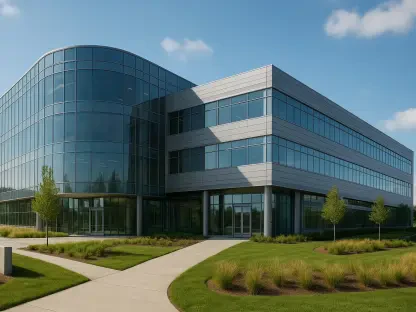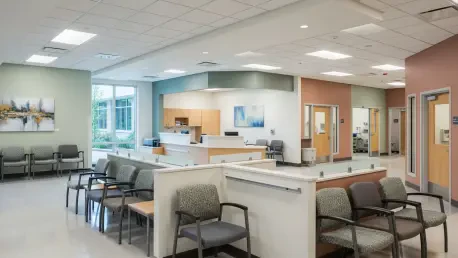

The strain on emergency medical services often reaches a critical threshold during peak seasons, necessitating a fundamental shift in how healthcare providers manage patient intake for non-life-threatening conditions. In Leicester, this transition has officially taken physical form as construction crews have initiated work on a new £12.8 million Urgent Treatment Center located at the Leicester Royal Infirmary. Recent site activity confirms that the foundational groundwork is progressing rapidly, with protective hoardings now surrounding the perimeter and excavation machinery preparing the site for structural assembly. This facility is scheduled to achieve full operational status by 2027, serving as a modern replacement for the existing Minor Injuries and Minor Illnesses unit. The primary mission of this project involves creating a purpose-built environment where patients can receive same-day medical attention without entering the high-pressure environment of the main emergency department. By isolating urgent but non-critical cases, the facility aims to alleviate the systemic bottlenecks that frequently delay care for the most vulnerable populations. This architectural intervention represents a pivot toward specialized triage, ensuring that every individual who enters the hospital grounds is directed toward the most appropriate clinical resource. The development also signals a commitment to utilizing modern construction techniques that minimize disruption to the ongoing daily operations of the surrounding medical campus. As the excavation phase continues through the current quarter, the local community can expect to see a rapid transformation of the site, marking the beginning of a new chapter in regional healthcare delivery.
Strategic Alignment: The Future Hospitals Programme
The initiation of this treatment center serves as a cornerstone for the broader Future Hospitals Programme, a regional initiative designed to ensure that medical infrastructure remains resilient against evolving demographic pressures. Hospital leadership, including chief executive Richard Mitchell and clinical consultant Dr. Saad Jawaid, emphasized that the project is not merely an expansion of floor space but a strategic redesign of patient flow. By streamlining the path from arrival to consultation, the new center expects to reduce wait times and improve the overall clinical experience for thousands of residents. This approach addresses a significant challenge in modern medicine: the tendency for emergency rooms to become overwhelmed by conditions that, while requiring immediate attention, do not necessitate the full resources of a trauma center. The transition to this purpose-built model allows specialized staff to focus on specific urgent needs, thereby maximizing the efficiency of the hospital’s highly trained workforce. Furthermore, the integration of advanced digital tracking systems within the new layout will allow clinicians to monitor patient progress in real time, ensuring that no individual remains in the waiting area longer than necessary. This systemic upgrade is expected to set a new benchmark for urgent care in the region, providing a scalable model that other healthcare trusts might emulate as they face similar capacity challenges. By focusing on the “right care in the right place” philosophy, the facility ensures that the emergency department is preserved for those facing genuine life-threatening crises.
Comprehensive Integration: Infrastructure and Future Growth
Financial backing for this infrastructure shift was secured through a £39 million allocation from the National New Hospital Programme, which facilitated essential enabling works across the entire campus. These preliminary steps included the strategic relocation of the hearing and balance service to the East Midlands Planned Care Centre, a move slated for completion by early 2027 to clear the path for subsequent developments. Looking further ahead, the successful integration of the Urgent Treatment Center established the necessary baseline for the planned construction of a state-of-the-art Women’s and Children’s Hospital, which remained scheduled to begin in 2032. This long-term strategy consolidated maternity, neonatal, and pediatric services into a centralized hub to foster interdisciplinary collaboration. For healthcare administrators, the priority shifted toward maintaining rigorous project timelines while ensuring that staff training programs evolved alongside the physical upgrades. Stakeholders prioritized the continuous monitoring of patient outcomes during this transition to refine the delivery of integrated medical care for the next generation of residents. To ensure long-term success, hospital boards were encouraged to invest in modular staffing models that could adapt to the seasonal fluctuations in urgent care demand. Future planning necessitated a focus on sustainable energy solutions within the new buildings to reduce long-term operational costs and environmental impact. By aligning physical expansion with clinical innovation, the project provided a roadmap for modernizing aging hospital estates while maintaining the highest standards of safety and efficiency.