
The medical community has long recognized that the final stage of bone healing, though a significant milestone of progress, often induces substantial anxiety due to the traditional noise and vibration of orthopedic cast saws. For decades, the process remained relatively stagnant, relying on heavy, tethered devices that prioritized sheer utility over patient comfort or clinician ergonomics. However, the landscape of orthopedic recovery is currently undergoing a massive transformation as healthcare providers move away from cumbersome, traditional methods in favor of highly sophisticated, electrically powered solutions. This evolution is particularly evident in the rapid adoption of battery-operated saws that provide unparalleled precision while minimizing the physical and psychological toll on patients. As these advanced technologies permeate the medical field, they are setting a new standard for care that emphasizes speed, safety, and a much quieter clinical environment for everyone.
Market Growth: Economic Drivers and Competitive Strategies
Financial analysts have observed a significant surge in the global cast saw market, with current valuations set to climb from approximately $211.34 million in 2025 to over $330 million by 2035. This steady upward trajectory, which represents a compound annual growth rate of roughly 4.59%, is largely driven by a demographic shift toward an aging global population that is more susceptible to bone fractures and degenerative conditions. Furthermore, there is a notable rise in sports-related injuries across all age groups, leading to a consistent demand for immobilization and subsequent removal services. As more patients require specialized care, the necessity for modern maintenance tools becomes unavoidable, solidifying these devices as critical assets in the medical technology sector. The expansion is not merely about volume but also about the increasing willingness of clinics to invest in high-end equipment that promises long-term durability and lower operational costs in busy settings.
The competitive landscape is dominated by industry giants like Stryker, Zimmer Biomet, and Medtronic, each bringing unique engineering strengths to the market. These corporations are prioritizing the durability and seamless integration of their removal tools into wider fracture management ecosystems, often offering them as part of a larger suite of orthopedic services. While some of these manufacturers focus on producing the most rugged, heavy-duty equipment designed for the grueling environment of high-volume trauma centers, others are finding success in more specialized niches. For example, there is a growing segment dedicated to sports medicine where ultra-portable, battery-operated devices are favored for their ability to be used in diverse settings, including locker rooms and rehabilitation centers. This diversification allows companies to cater to a wide range of medical professionals, from emergency room doctors to physical therapists, each with unique requirements.
Service Decentralization: Impact of Outpatient Care Trends
A fundamental driver behind the recent surge in technological adoption is the broader trend of decentralizing medical services away from large, centralized hospital systems toward specialized outpatient centers. Healthcare delivery is moving toward ambulatory surgery centers and localized clinics that require equipment tailored to their specific operational needs and spatial constraints. Unlike massive hospital complexes, these smaller facilities often operate with limited space and require tools that can be easily transported between multiple examination rooms without the hindrance of bulky power carts or restrictive cords. This transition has created a robust demand for portable, lightweight equipment that maintains high performance despite a smaller footprint. Manufacturers are responding by designing saws that are not only compact but also capable of handling the high-volume throughput typical of specialized fracture clinics. This shift reflects a movement where convenience is prioritized.
Furthermore, the push for increased efficiency in outpatient settings means that medical practitioners must utilize tools that allow for rapid and safe cast removal to minimize patient wait times. In a fast-paced clinic environment, every minute saved during the removal process contributes to a higher volume of patient consultations and a more streamlined workflow for the staff. Modern saws are engineered to provide consistent power levels that prevent the blade from stalling, even when cutting through the most rigid synthetic casting materials currently in use. This reliability is crucial for maintaining a tight schedule and ensuring that the patient experience remains professional and unhurried. As the healthcare industry continues to emphasize outpatient care for non-emergency orthopedic issues, the reliance on these specialized, efficient tools will only intensify. The ability to perform complex tasks in a fraction of the time, without compromising safety, is what separates top-tier clinics.
Future Considerations: Safety Standards and Clinical Implementation
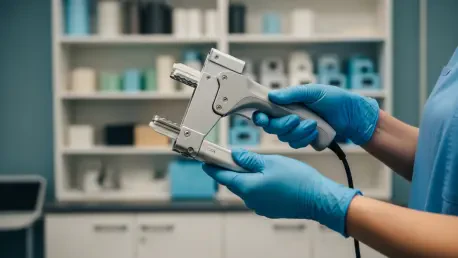
One of the most significant advancements successfully implemented was the integration of quiet technology within the latest generation of cast removal devices to mitigate patient distress. Traditional saws were notorious for their loud, high-pitched whining noise, which frequently caused significant anxiety, especially among pediatric patients. To combat this sensory overload, manufacturers refined internal motor designs and utilized advanced housing materials that significantly dampened sound and vibration during operation. This focus on the psychological impact of medical tools represented a maturing of the industry, where emotional well-being was considered as important as physical treatment success. When patients felt calm, clinicians were able to perform removals more accurately, leading to better outcomes. These refinements in acoustic engineering demonstrated a broader commitment to compassionate, patient-centered care that prioritized the human experience throughout the recovery journey.
Moving forward, medical facilities sought to integrate these advancements by conducting thorough audits of their existing orthopedic equipment to identify areas where upgrades could maximize safety. The implementation of standardized training programs for new battery-operated systems ensured that all staff members were proficient in the latest safety protocols and maintenance requirements. Clinics also began to prioritize devices with modular components, allowing for easier repairs and a reduced environmental footprint through the use of recyclable materials and longer-lasting batteries. By focusing on these sustainable and health-oriented practices, the orthopedic community established a more resilient infrastructure capable of meeting the demands of a diverse patient population. The shift toward quieter, safer, and more portable technology was a fundamental realignment of the industry toward holistic care. Ultimately, the adoption of these innovations required a commitment to education and a willingness to embrace change.