
Harris County’s healthcare landscape is undergoing a profound transformation as providers move away from traditional models to address the growing demands of a modern urban population. For years, residents found themselves caught in a difficult position, forced to choose between the long wait times of a crowded emergency room and the limited availability of primary care physicians. Harris Health System is actively solving this dilemma by evolving its neighborhood clinics into high-functioning urgent care centers that provide sophisticated medical services right where people live. This strategic shift is not merely about changing the name on the door; it is about fundamentally restructuring the outpatient experience to prioritize efficiency and clinical depth. By upgrading these facilities, the system ensures that acute medical needs are met promptly, reducing the burden on trauma centers and creating a more resilient health network that serves the entire community with greater precision.
Integrated Clinical Services and Regional Accessibility
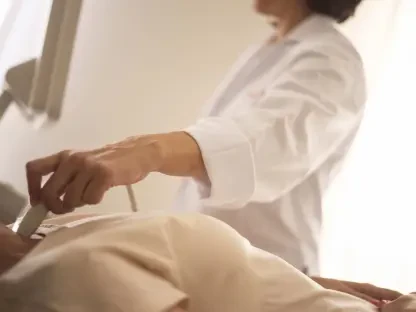
The transition to an integrated model marks a departure from fragmented care where patients were often sent to multiple locations for basic diagnostic needs. Under the new “one-stop shop” framework, urgent care centers are now equipped with on-site diagnostic imaging, full-service laboratory capabilities, and integrated pharmacies. This means a patient presenting with a potential fracture or a severe respiratory infection can receive an X-ray, undergo blood work, and pick up necessary prescriptions all within a single visit. Such an approach significantly reduces the logistical hurdles that often lead to delayed treatment or missed follow-up appointments, particularly for those with limited transportation options. By consolidating these essential services, Harris Health is effectively streamlining the clinical pathway, ensuring that the time between initial presentation and definitive treatment is minimized, which is critical for preventing minor health issues from escalating into major medical crises.
Beyond immediate symptom relief, these centers function as a vital gateway for reconnecting individuals with the broader healthcare ecosystem. Many patients who utilize urgent care do not have a dedicated primary care provider, often relying on episodic visits rather than longitudinal management. Harris Health has designed its system to ensure that every urgent care encounter serves as an opportunity for comprehensive health screening and referral. When a patient arrives with a semi-acute issue, staff also assess their needs for chronic disease management, such as hypertension or diabetes care. By integrating urgent care with primary care networks, the system facilitates a seamless handoff that keeps patients within the medical home. This connectivity is essential for improving long-term health outcomes across the county, as it transforms a simple urgent care visit into a foundational step toward preventative medicine and continuous wellness monitoring for a population that has historically faced barriers to consistent care.
The realization of this vision is being managed through a deliberate and phased rollout that targets high-need geographic areas across Harris County. Flagship centers are already demonstrating the efficacy of this model at the LBJ Hospital Outpatient Center and the Strawberry Health Center in Pasadena. These locations were strategically selected to serve as hubs for densely populated neighborhoods where the demand for immediate medical intervention is highest. By placing these high-functioning facilities directly in local communities, Harris Health is effectively removing the “commute barrier” that often discourages residents from seeking timely care. Looking toward progress in the next few years, the system is actively working to upgrade additional sites to meet these rigorous standards, with the Sunset Heights location slated for its full transition by 2028. Each new site represents a commitment to providing a consistent level of care across the county, regardless of a patient’s zip code.
Academic Integration and Long-Term Community Resilience
These redefined centers are equipped to manage medical scenarios that fall into the gap between standard walk-in services and emergency surgery. Clinical teams are now trained to perform minor surgical procedures, such as suturing complex lacerations, draining abscesses, or stabilizing non-life-threatening orthopedic injuries. The ability to administer intravenous fluids and medications on-site further elevates the level of care, allowing for the treatment of dehydration or severe infections that would typically require a hospital visit. A defining characteristic of this network is its deep-rooted partnership with premier academic institutions, including Baylor College of Medicine and McGovern Medical School at UTHealth Houston. These centers serve as active training grounds where faculty members and residents work side-by-side to deliver evidence-based care. This collaboration ensures that patients benefit from the latest medical research and clinical protocols, even when seeking treatment for routine urgent issues in a neighborhood setting.
The establishment of these integrated centers provided a critical safety net that strengthened community resilience during recent public health challenges and severe regional weather events. By maintaining accessible hours from 8 a.m. to 8 p.m. and offering bilingual support, these facilities ensured that a diverse population had a reliable place to turn when other services were unavailable. Stakeholders recognized that the path forward required a permanent shift toward this decentralized model to maintain operational continuity during future crises. This transformation effectively demonstrated that localized care was not merely a convenience but a fundamental necessity for urban stability. As the county continued to grow, the reliance on these hubs only increased, proving that the move away from hospital-centric models was the correct approach for fostering a healthier population. Moving forward, providers focused on integrating artificial intelligence into triage systems and expanding mobile health units to reach even more remote neighborhoods.