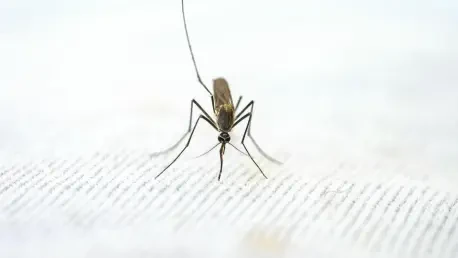

As the verdant landscapes of Ohio transition into the vibrant colors of spring, a hidden resurgence of local wildlife presents a significant challenge to residents seeking to enjoy the great outdoors. Warming climate patterns throughout the period from 2026 to 2028 have fundamentally altered the biological clock of regional ecosystems, leading to earlier and more aggressive activity from ticks and mosquitoes. Medical professionals at Mercy Health have noted that these vectors are no longer confined to traditional peak months but are establishing presence earlier in the year as the geographic range of various species expands northward. This shift brings an increased risk of serious vector-borne illnesses, including Lyme disease, West Nile virus, and Rocky Mountain spotted fever, which have shown a steady rise in frequency over the last few years. Dr. Philip Lam, the regional medical director for urgent care, emphasized that the environmental shifts currently being observed require a heightening of public health awareness and proactive personal safety measures during all outdoor activities.
Proactive Defense: Mitigation Strategies for Outdoor Safety
Achieving effective protection against these persistent pests requires a multi-layered approach that combines chemical barriers with behavioral adjustments. Utilizing insect repellents that contain EPA-registered active ingredients like DEET or picaridin remains the primary defense for individuals venturing into wooded areas or tall grasslands. For those spending extended periods outside, treating clothing with permethrin offers a durable solution that retains its efficacy through several wash cycles. Beyond personal application, the physical configuration of attire plays a vital role; wearing long sleeves and tucking trousers into socks creates a formidable physical barrier that prevents ticks from reaching the skin. Furthermore, light-colored clothing is highly recommended as it facilitates the immediate visual identification of dark-bodied insects before they can successfully attach. Residents should also focus on habitat management by systematically identifying and eliminating sources of standing water on their properties, such as clogged gutters, birdbaths, and discarded containers, which serve as primary breeding sites for mosquito populations.
Clinical Recognition: Identifying Symptoms and Managing Post-Exposure Care
Vigilance did not end once an individual returned indoors, as a meticulous inspection of the body and any accompanying pets was deemed the most critical step in preventing disease transmission. Healthcare experts observed that many long-term complications were avoided when patients remained alert for the characteristic “bullseye” rash, which often signaled the onset of Lyme disease. Furthermore, the early identification of persistent fevers and flu-like symptoms allowed for the timely administration of antibiotic treatments that significantly reduced the risk of chronic health issues. Medical facilities prepared for the seasonal influx by streamlining diagnostic protocols for vector-borne pathogens, ensuring that residents received rapid results during the peak exposure window. Communities that implemented these comprehensive checks and sought professional consultation at the first sign of abnormality fared much better in overall health outcomes. Moving forward, the integration of these habits into daily routines established a resilient framework for public safety that effectively balanced outdoor recreation with rigorous preventative medicine.