
The fragile threads holding the Afghan healthcare system together have finally snapped as the withdrawal of international financial support triggers the immediate closure of 570 medical facilities across the nation. This systematic dismantling of essential services leaves millions of vulnerable citizens without access to basic emergency care, maternal health support, or life-saving vaccinations in some of the most remote regions of the country. For years, the health sector relied heavily on the Sehatmandi project and subsequent interim funding mechanisms, but those lifelines have dissipated, leaving a vacuum that the local administration cannot fill. Beyond the immediate loss of doctor consultations, the closure signifies the disappearance of community-based health programs that previously served as the first line of defense against preventable diseases. As these clinics lock their doors, the burden shifts to a handful of overstretched provincial hospitals that are already operating well beyond their maximum capacity.
The Human Cost: Socioeconomic Consequences of Healthcare Displacement
The closure of these 570 facilities does not merely represent a loss of physical infrastructure; it marks a devastating regression in the fight against maternal and infant mortality. In provinces where the terrain is rugged and transportation is virtually nonexistent, these local clinics were the only places where women could receive prenatal care or deliver children under professional supervision. Without these centers, many families are forced to resort to unsafe home births or undertake perilous journeys lasting several days to reach the nearest functioning hospital. The psychological toll on the population is equally profound, as the absence of mental health services previously integrated into these clinics leaves many traumatized individuals without support. Furthermore, the loss of these facilities has resulted in the mass unemployment of thousands of trained medical professionals, including female nurses and midwives, whose expertise is now being wasted while the general health of the population rapidly declines.
While rural areas suffer the most immediate impact, the ripple effects are increasingly visible in urban centers where the remaining medical infrastructure is beginning to buckle under the sudden influx of patients. Major regional hospitals in cities like Kabul and Herat are reporting a surge in admissions for conditions that should have been managed at the primary care level, such as respiratory infections or mild malnutrition. This overcrowding creates a dangerous environment where medical errors are more likely to occur and the quality of patient care is severely compromised by a lack of available beds and essential medication. The scarcity of resources is so acute that many patients are now required to purchase their own surgical supplies, including bandages and syringes, from private pharmacies before they can be treated. This shift toward an out-of-pocket payment model effectively bars the poorest segments of society from receiving any medical assistance, thereby deepening the inequality.
Actionable Solutions: Strategic Pathways for Restoring Medical Stability
Addressing this catastrophe requires a nuanced approach that bypasses the political gridlock currently preventing the flow of conventional development aid into the region. International donors and non-governmental organizations must explore decentralized funding models that deliver resources directly to specific clinics rather than through centralized administrative channels. By focusing on localized grants and performance-based financing, it may be possible to reopen high-priority facilities in regions with the highest mortality rates. There is also a critical need for the implementation of mobile health clinics that can traverse difficult terrain to provide basic services to communities that have been completely cut off by the recent closures. These mobile units can serve as an interim solution while more permanent structural reforms are negotiated with local stakeholders. Collaborative efforts between global health agencies and regional partners are essential to ensure that medical supplies and salaries reach the frontline workers.
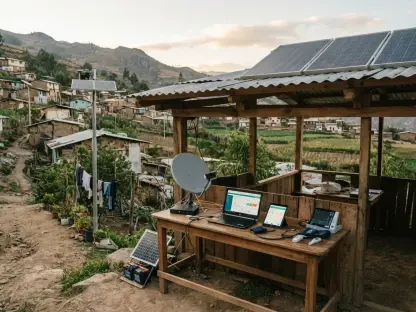
The restoration of the healthcare landscape demanded immediate action through the establishment of specialized trust funds designed to protect humanitarian services from geopolitical fluctuations. Stakeholders recognized that long-term stability relied on the integration of sustainable energy solutions, such as solar-powered refrigeration for vaccine storage, to reduce the operational costs of rural facilities. Training programs were redirected to empower community health workers, ensuring that basic medical knowledge remained accessible even in the absence of a fully staffed clinic. International agencies prioritized the creation of a transparent monitoring system to track the distribution of medical supplies, which helped rebuild donor confidence during the 2026 to 2027 transition period. By shifting the focus toward resilient, localized healthcare delivery, the international community provided a blueprint for mitigating the effects of the funding crisis. These steps emphasized the necessity of decoupling basic human rights from political disputes to prevent further loss of life.