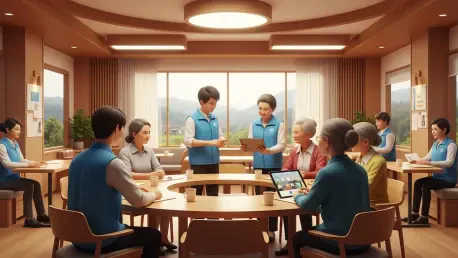

The resilience of a community is often measured not by its modern infrastructure or economic output but by the way it treats its most vulnerable members during the twilight of their lives. In Kohima Village, this commitment to human dignity has been personified through a dedicated initiative that recently reached a significant twenty-one-year milestone of service. Established in 2006, this non-profit endeavor has successfully bridged the generational gap by mobilizing volunteers between the ages of 25 and 80 to care for those who have crossed the threshold of eighty years. By focusing on companionship and practical support, the organization has transformed the traditional understanding of elderly care into a lived experience of communal solidarity. The recent gathering at Tsiera Hall served as a poignant reminder that while the march of time is inevitable, the isolation often associated with aging can be mitigated through structured, compassionate intervention. This long-standing mission ensures that the village’s elders remain integrated into the social fabric rather than being relegated to the periphery of modern life.
Demographic Shifts and the Continuity of Community Service
The statistical landscape of the elderly population in Kohima Village reveals a dynamic and evolving demographic that requires constant attention and organizational agility. Currently, the initiative supports 227 members, a group comprising 84 men and 143 women who represent the living history of the region. Data presented by Er Medozhazo Rutsa during the anniversary proceedings highlighted the natural cycle of life within this cohort; while the community mourned the loss of 20 members over the past twelve months, it simultaneously welcomed 20 new individuals into its fold. This stability in numbers underscores the ongoing necessity of the program as a permanent fixture of the village administration. The distribution of members across various khels, particularly with high concentrations in L Khel and D Khel, demonstrates a localized approach to care where assistance is delivered right to the doorstep. This geographic sensitivity ensures that even those with limited mobility receive the same level of attention as their more active counterparts, maintaining a balance of equity in service delivery across the entire village territory.
Integrating Medical Wellness with Social and Spiritual Support
A holistic approach to aging requires more than just social interaction; it demands a synergy between spiritual nourishment and modern medical intervention to ensure a high quality of life. During the recent foundation day, the Kohima Village Doctors Association facilitated comprehensive medical screenings, offering free health check-ups to the octogenarians, nonagenarians, and centenarians in attendance. This integration of professional healthcare within a community celebration highlights a shift toward proactive wellness management for the elderly. By combining these clinical assessments with spiritual blessings led by local clergy, the event created a comprehensive support system that addressed the physical and emotional needs of the seniors. The elders, in turn, offered their traditional blessings for the younger generations, reinforcing a reciprocal relationship that strengthens the village’s cultural identity. This model of intergenerational exchange serves as a blueprint for other regions, proving that the preservation of a legacy depends on the active, multi-faceted care of its senior-most members, ensuring their contributions are perpetually valued.
Future Strategies for Enhancing Geriatric Support Systems
Advancing the quality of elderly care into the coming years necessitates a transition from reactive support to a more robust, technology-assisted framework that maintains personal connection while improving efficiency. Moving forward from 2026 to 2030, local stakeholders should consider establishing a centralized digital health registry to track the chronic conditions and nutritional needs of the village elders more accurately. Implementing mobile health clinics that visit the various khels on a monthly basis would further decentralize care, reducing the physical strain on members who find it difficult to travel to central meeting points. Furthermore, creating formal mentorship programs where the elderly can document and share oral histories with the youth would provide a sense of purpose for the seniors while preserving the village’s cultural heritage. These actionable steps will ensure that the foundation laid over the past two decades evolves into a comprehensive social safety net. By prioritizing these strategic developments, Kohima Village demonstrated its resolve to honor its past while actively building a sustainable and dignified future for its aging population.