
Across the rolling hills and secluded valleys of rural Pennsylvania, a quiet but devastating health crisis is unfolding as the distance between patients and their primary care providers continues to widen at an alarming rate. While urban centers boast high-tech medical facilities and a dense concentration of specialists, residents in the state’s more isolated counties are witnessing a steady erosion of their local clinics and emergency services. This growing disparity is not merely a matter of convenience; it represents a fundamental breakdown in the social contract of public health, where geographical location increasingly determines one’s life expectancy. Faced with aging populations and a lack of reliable transportation, state officials are moving beyond traditional solutions to adopt a radical, mobile-first strategy. This approach centers on a pilot program that reimagines the role of medical professionals, seeking to stabilize a crumbling network through agility and direct community engagement.
Adapting Military Versatility for Rural Pennsylvania
Lessons from Frontline Medical Care
In the high-pressure environments of modern combat, Navy Hospital Corpsmen and Army Medics function as the vital backbone of the medical corps, operating with a degree of independence that is rarely seen in civilian clinical settings. These professionals are trained to act as the primary point of contact for wounded or ill service members, performing everything from rapid battlefield triage and minor surgical interventions to the long-term management of vaccinations and environmental sanitation. Their education emphasizes versatility and the ability to provide high-quality care under extreme duress, often with limited resources and no immediate access to a specialized hospital. By mastering a broad spectrum of medical skills, these medics ensure that the gap between injury and definitive care is bridged effectively. The military model proves that a well-trained generalist can maintain the health of a population even when the surrounding infrastructure is significantly compromised or entirely absent.
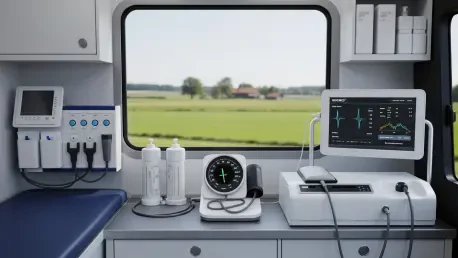
The Primary Care Medic initiative seeks to translate this battlefield-tested versatility into a civilian framework specifically tailored for the unique challenges of rural Pennsylvania’s healthcare landscape. By deploying medics who are equipped to treat patients directly within their homes or at mobile community hubs, the state is effectively creating a fleet of roving clinics that bypass traditional brick-and-mortar limitations. These medics carry essential diagnostic tools and treatment supplies in their vehicles, allowing them to provide immediate care to elderly residents who might otherwise skip appointments due to the physical or financial burdens of travel. This model does not just offer a temporary fix; it fundamentally changes the nature of medical delivery by prioritizing patient proximity over institutional centralism. As these providers move across the countryside, they establish a consistent presence that builds trust and ensures that preventive care is no longer a luxury reserved for those who can drive to a city.
Mitigating the Strain on Rural Doctors
The urgency of this intervention is highlighted by the staggering reality that rural Pennsylvania regions often have less than half the primary care providers per capita compared to their urban counterparts. This chronic shortage creates an unsustainable workload for the remaining physicians, who are often forced to serve as cradle-to-grave doctors for entire townships with little to no backup. The mental and physical exhaustion resulting from this isolation leads to high rates of professional burnout, which in turn causes more clinics to close and discourages younger medical graduates from choosing rural practice. Without a new layer of support, the existing medical infrastructure risks a total collapse as the demand for services from an aging demographic far outstrips the capacity of a dwindling workforce. Addressing this imbalance requires more than just recruitment incentives; it demands a restructuring of how routine medical labor is distributed across the provider network.
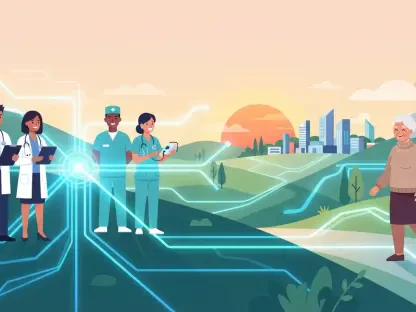
Integrating Primary Care Medics into this strained system provides a critical buffer that allows licensed physicians to focus their expertise on the most complex and high-risk cases within their patient rosters. These new medics are tasked with the daily management of routine clinical needs and the monitoring of chronic conditions, effectively acting as a forward-deployed extension of the doctor’s office. By handling tasks such as blood pressure checks, wound care, and medication adherence monitoring, the medics ensure that small issues do not escalate into emergency room visits. Furthermore, the use of advanced telehealth platforms allows these medics to consult with supervising physicians in real-time, ensuring that every home visit is backed by professional oversight and clinical rigor. This collaborative approach expands the reach of the local medical network without requiring the immediate construction of new facilities or the relocation of additional highly specialized doctors to remote areas.
Strategic Funding and Operational Plans
Federal Investment and Long-Term Accountability
Financing for the Primary Care Medic program is anchored within the broader Rural Health Transformation Plan, a massive statewide initiative supported by approximately $1 billion in dedicated federal funding. Within this substantial pool of capital, roughly $2 million has been specifically carved out to launch and sustain the initial PCM pilot phases across Pennsylvania’s most underserved counties. This funding is subject to strict federal accountability standards, which dictate that the resources must be utilized to foster genuine innovation and create entirely new systems of healthcare delivery rather than merely subsidizing existing, inefficient budgets. By tying the capital to measurable outcomes in patient access and health stabilization, the government ensures that the investment produces a scalable and sustainable model. This strategic financial backing provides the necessary runway for the program to prove its worth, allowing for the procurement of specialized mobile equipment and the development of robust data-tracking systems.
The roadmap for implementing this vision is structured around a clear and ambitious timeline that aims to fully embed the pilot program within the state’s existing community health center network by 2028. Central to this effort is a partnership with Penn State Extension sites, which will serve as the primary hubs for recruitment, specialized training, and local coordination. By utilizing these established educational outposts, the program ensures that it is deeply rooted in the very communities it is designed to serve, drawing on local knowledge and existing social structures. This regionalized approach to training means that medics are not just clinical experts, but also familiar faces who understand the specific cultural and geographical nuances of their service areas. As the transition from pilot to permanent fixture progresses, the focus will shift toward creating a self-sustaining ecosystem of care that can be replicated in other states facing similar rural healthcare challenges across the country.
Defining the Workforce and Career Pathways
The Primary Care Medic role is strategically designed to occupy a specific niche in the healthcare hierarchy that currently remains unfilled by existing positions like Physician Assistants or Nurse Practitioners. In low-density rural areas, where the demand for a full-time advanced practice provider might not be economically feasible, the PCM offers a high-impact solution focused on predictable medical management. Their primary responsibilities revolve around the oversight of common chronic conditions—such as heart disease, hypertension, and diabetes—which represent the bulk of the rural disease burden. By utilizing standardized protocols and direct communication with supervising physicians, these medics provide a level of care that is both safe and professional, ensuring that patients receive consistent monitoring between major doctor visits. This specialized focus allows the medics to become highly proficient in the most common health challenges facing their neighbors, thereby improving long-term outcomes through steady and reliable intervention.
Beyond its clinical benefits, the PCM initiative provides a much-needed professional on-ramp for military veterans who possess extensive medical training but often struggle to find equivalent civilian roles. Many former Navy Corpsmen and Army Medics find that their intensive frontline experience does not easily translate into state licenses, leaving a vast pool of talent underutilized in the civilian workforce. By creating a specific certificate-level role, Pennsylvania is effectively clearing a path for these veterans to apply their life-saving skills in a way that directly benefits the public. Furthermore, the program offers a clear ladder for advancement for local medical assistants and other entry-level healthcare workers who wish to upskill and take on more responsibility within their own communities. This focus on local workforce development ensures that the program creates economic opportunities while simultaneously addressing the healthcare crisis, fostering a sense of ownership and resilience among the residents of rural Pennsylvania.
A New Foundation for Rural Healthcare Access
Addressing the systemic inequities in rural healthcare required a bold departure from traditional administrative models and a willingness to embrace the unconventional strategies of military medicine. The successful integration of Primary Care Medics demonstrated that mobile, adaptable workforces could effectively bridge the gap between isolated populations and essential clinical services. Moving forward, the focus shifted toward securing permanent legislative support and expanding the credentialing process to ensure this role became a standardized part of the national healthcare landscape. State leaders and medical boards worked to refine the legal frameworks that governed these providers, ensuring that safety remained paramount while allowing for the necessary operational flexibility. By prioritizing the recruitment of veterans and local residents, Pennsylvania built a resilient foundation that turned a regional crisis into a model for rural revitalization. These efforts proved that the future of rural health was found in empowering people to bring care directly to the doorstep.