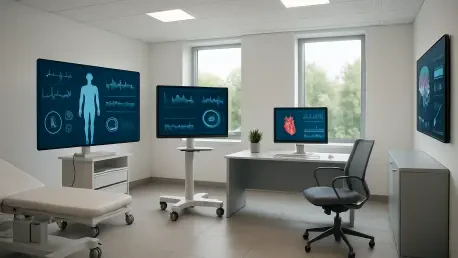

The very walls of our hospitals and clinics are beginning to think, sense, and respond, fundamentally changing the landscape of medicine from a system of reaction to one of anticipation. For decades, healthcare has operated within a one-size-fits-all framework, treating symptoms as they arise. Now, as precision medicine—tailoring treatment to an individual’s genetic makeup, lifestyle, and environment—takes center stage, the question arises: how must the buildings where care happens evolve to keep pace? The answer is clear: architectural design is no longer a passive container for medical practice but a critical, active instrument in its efficacy. The way a space is planned, built, and digitally integrated directly influences patient outcomes, data integrity, and clinical efficiency. This analysis explores the evidence for this trend, its real-world applications in creating intelligent spaces, the challenges involved, and the future trajectory toward truly predictive environments.
The Rise of Intelligent and Integrated Healthcare Spaces
Evidence of a Paradigm Shift
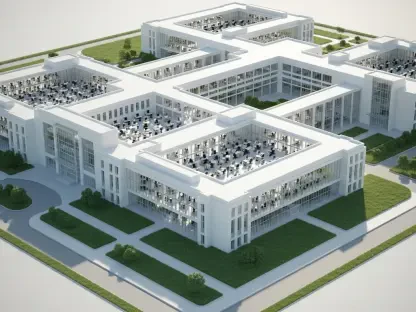
The shift toward intelligent healthcare design is not merely conceptual; it is backed by substantial economic and technological trends. Market data reveals a clear parallel between the exponential growth of the global precision medicine industry and a surge in capital investment in specialized healthcare facility construction. This spending is increasingly directed toward renovations and new builds that can accommodate advanced diagnostics, genomic sequencing labs, and data analytics hubs under one roof, signaling a departure from siloed, traditional hospital layouts.
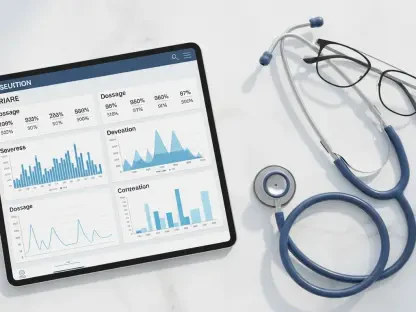
This architectural evolution is powered by the rapid integration of smart building technologies. Adoption statistics from new hospital and clinic projects show a marked increase in the implementation of Internet of Things (IoT) sensors, artificial intelligence (AI) for operational management, and digital-twin simulations for facility planning. These technologies are no longer considered optional add-ons but are integral to the core design, transforming buildings into data-rich ecosystems that can monitor everything from patient flow to air quality in real time.
Furthermore, a consensus is emerging among industry leaders that an integrated, data-driven design is a top priority. Recent architectural reports and healthcare administration studies consistently identify the fusion of physical and digital infrastructure as essential for enhancing the patient experience and boosting operational efficiency. Administrators now view the built environment as a strategic asset that can reduce wait times, minimize infection risk, and provide a calming atmosphere, all of which contribute to better health outcomes and a stronger bottom line.
From Blueprint to Bedside: Applied Innovations
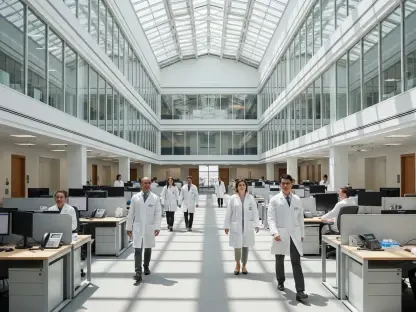
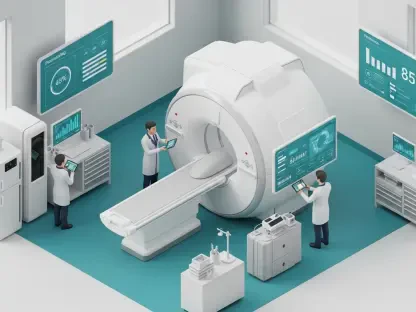
The theoretical push for integrated design is already manifesting in groundbreaking facilities that rethink the patient journey. New precision medicine centers are being designed as seamless, physically connected sequences where a patient moves logically from imaging and diagnostics to AI-driven analysis and on to a consultation. This holistic approach eliminates the fragmented and often stressful experience of navigating multiple departments, physically embodying the connected, data-driven philosophy of personalized care.
With precision medicine comes the immense responsibility of safeguarding the most sensitive personal data, including genetic information. In response, designers are implementing multi-dimensional privacy solutions that go far beyond simple compliance. These facilities employ strategic spatial zoning to create clear-cut public, semi-private, and restricted areas, while advanced acoustic materials and carefully controlled sightlines ensure confidential conversations remain private. The goal is to create a “supportive design infrastructure” that protects patient dignity and builds trust in a high-tech environment.
Beyond overt technology, leading-edge facilities are embedding “invisible intelligence” directly into their structures. This is achieved through modular infrastructure like raised floors and smart ceilings, which house complex networks of sensors without creating a clinical or intimidating atmosphere. These systems work silently in the background, using patient data to dynamically adjust lighting, climate, and air quality to individual needs. This creates a responsive environment where the building itself becomes an active participant in the care process.
Expert Insights: Architecture as a Clinical Partner
Leading healthcare architects and medical futurists increasingly describe the built environment as an active component of the treatment process rather than a passive container. The consensus is that a well-designed space can reduce patient stress, accelerate healing, and even improve the accuracy of diagnostic procedures. Architecture, in this view, is a clinical partner that works in concert with medical professionals to achieve the best possible outcomes.
This perspective is strongly supported by clinicians and patient advocates, who emphasize the critical need for empathetic design. They argue that to foster the trust required for preventative care and long-term patient engagement, clinical spaces must feel safe, calming, and human-centric. The use of biophilic elements, such as natural light and indoor greenery, alongside calming textures and intuitive layouts, helps to mitigate the anxiety often associated with medical settings. This focus on the psychological and emotional well-being of the patient is now seen as indispensable to effective care.
Synthesizing these views, technologists and engineers point to the fusion of architecture and digital systems as the key to creating “learning spaces.” These are environments that not only respond to immediate needs but also collect data from every interaction to become more efficient and responsive over time. In such a facility, the building learns patterns of movement to optimize workflows, identifies equipment usage trends to anticipate maintenance, and analyzes environmental data to create a healthier indoor ecosystem for both patients and staff.
The Next Frontier: From Responsive to Predictive Environments
The Evolution of Proactive Care Spaces
The ongoing integration of AI and wearable technology is paving the way for the next stage in healthcare design: predictive architecture. This forward-looking concept envisions facilities that do more than just respond to patient needs—they anticipate them before they are even articulated. By synthesizing data from a patient’s medical history, real-time biometric readings from wearables, and environmental sensors, the building itself will begin to function as a proactive member of the care team.
The potential benefits of such an environment are transformative. Consider a diagnostic suite that recognizes a returning patient upon their arrival, pre-emptively adjusts the lighting and temperature to their known preferences for comfort, and simultaneously informs the AI systems to calibrate imaging equipment for their unique biological profile. This level of personalization not only enhances patient comfort but also streamlines clinical workflows, reduces the margin for error, and allows clinicians to focus more of their attention on the patient.
This trend extends beyond the purely clinical, with profound implications for wellness and preventative health. Future facilities are envisioned as hybrid environments that merge state-of-the-art medical functions with spaces designed for mindfulness, nutrition counseling, and physical activity. By creating a holistic setting that supports a healthy lifestyle, these preventative environments will encourage a shift in focus from treating sickness to proactively maintaining wellness, truly embodying the core promise of personalized medicine.
Hurdles and Ethical Considerations
Despite its immense potential, the widespread adoption of predictive healthcare design faces significant challenges. The high initial capital investment required for smart infrastructure and integrated digital systems presents a substantial barrier for many healthcare organizations. Moreover, the complexity of integrating disparate technologies from various vendors into a single, cohesive system demands new, specialized skill sets in both IT and facility management, creating a workforce and training gap that must be addressed.
The most critical hurdles, however, are ethical. In an environment where the building itself is a constant source of data collection, the issues of patient privacy and data security become paramount. Establishing robust protocols to protect sensitive health information from breaches, ensuring transparency in how data is used, and defining clear lines of consent are non-negotiable prerequisites. Failure to address these concerns could erode patient trust and undermine the very foundation of personalized care.
Finally, there is a tangible risk of creating a “design divide.” If these advanced predictive facilities are only built in affluent areas, it could exacerbate existing health equity gaps, creating a two-tiered system of care. Ensuring that the benefits of predictive healthcare design are accessible to all communities, regardless of socioeconomic status, will require conscious effort and policy-making from architects, healthcare providers, and public officials alike.
Conclusion: Designing a More Personalized Future for Health
The evidence presented has shown that healthcare design is undergoing a fundamental transformation, moving decisively from a static to a dynamic model. The integration of physical space with digital intelligence is no longer a futuristic concept but an emerging standard of care, purpose-built to support the intricate demands of precision medicine. This shift redefines the role of the architect and designer, elevating them to essential collaborators in the delivery of modern healthcare.
The central thesis that architectural innovation and medical discovery are now equal and inseparable partners in advancing personalized healthcare has been consistently supported. From intelligent building systems that enhance clinical efficiency to empathetic designs that foster patient trust, the built environment has proven its capacity to be a powerful therapeutic tool. The intelligence of the spaces we create will directly correlate to the effectiveness of the medicine practiced within them.
This evolution calls for a new era of collaboration. It is imperative that architects, healthcare providers, technologists, and policymakers work in concert to overcome the financial and ethical hurdles ahead. By pooling their expertise, these stakeholders can create the empathetic, intelligent, and predictive environments that will not only treat illness but will actively foster a more personalized and proactive future for health for all.