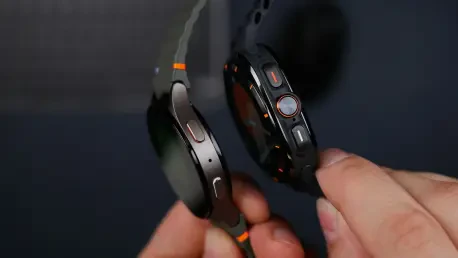

The quiet hum of a wrist-worn sensor is rapidly replacing the bulky Velcro cuff as the primary interface for cardiovascular management in the American household. Samsung has officially bridged a significant gap in the American wearables market by introducing blood pressure monitoring for the Galaxy Watch series. This rollout transforms the smartwatch from a fitness accessory into a sophisticated health companion, offering users a seamless way to track vital cardiovascular metrics from their wrists. By integrating this feature into the Galaxy Watch4 and newer models, Samsung aims to empower individuals with real-time data, fostering a more proactive approach to heart health. This article explores the technical mechanics of the feature, the regulatory hurdles facing the industry, and the long-term implications for consumer-led medical monitoring.
The Evolution of Wearable Biometrics
The introduction of blood pressure monitoring is the culmination of years of iterative development in sensor technology and data processing. Historically, wearables were limited to counting steps or measuring heart rate through basic optical sensors. However, as the global burden of chronic conditions like hypertension has grown, the demand for more clinical-grade insights has shifted the industry landscape toward a more diagnostic focus.
Samsung’s latest update builds upon a foundation of existing FDA-cleared tools, such as electrocardiogram (ECG) readings and sleep apnea detection, signaling a transition from general fitness tracking toward comprehensive physiological surveillance. Understanding this history is crucial to grasping why the integration of blood pressure monitoring represents such a pivotal moment for both the company and its users.
Technical Precision and Regulatory Compliance
The Calibration Model: Sensor Integration
The Galaxy Watch utilizes internal heart rate sensors to estimate systolic and diastolic blood pressure through pulse wave analysis. However, maintaining accuracy in a non-invasive, wrist-based format presents unique challenges that require creative engineering. To mitigate these, Samsung employs a calibration model that requires users to synchronize their watch with a traditional upper-arm cuff every 28 days.
This hybrid approach ensures that the sensor remains aligned with medical standards, providing a reliable baseline for daily monitoring. While the technology offers unprecedented convenience, the need for regular calibration highlights the current limitations of light-based sensors compared to traditional mechanical measurements. It represents a compromise between clinical rigor and consumer ease of use.
Navigating the Complex FDA Landscape
The rollout of blood pressure features in the United States is heavily influenced by strict regulatory frameworks. Samsung’s strategic positioning of this tool as an “informational wellness feature” rather than a clinical diagnostic device is a calculated move to satisfy FDA requirements. This is particularly relevant when compared to other industry players like WHOOP, which recently faced scrutiny from the FDA over its “Blood Pressure Insights.”
The agency has labeled certain unapproved tracking features as “misbranded,” asserting that any device providing specific systolic and diastolic estimates must undergo rigorous premarket approval. Samsung’s success in this space depended on its ability to navigate these federal standards while maintaining user trust. By securing clearances for core components, they have managed to stay ahead of competitors stuck in regulatory limbo.
Bridging the Gap: Wellness and Medicine
A primary challenge for Samsung is managing consumer expectations regarding the distinction between wellness tracking and medical diagnosis. With nearly half of the U.S. adult population suffering from hypertension, the potential for these devices to improve public health is vast. However, Samsung explicitly states that these readings should not replace professional medical intervention.
There is a persistent risk of “alert fatigue” or false reassurance among users who may misinterpret wearable data. By focusing on informational insights, Samsung seeks to encourage users to seek professional help when trends indicate a problem, rather than attempting to self-diagnose through an app. This educational component is just as vital as the hardware itself in ensuring positive health outcomes.
The Future of Passive Health Monitoring
The next phase for Samsung involves moving beyond single-point measurements toward passive, long-term monitoring. Moving from 2026 to 2028, the company intends to introduce features that track blood pressure trends automatically throughout the day and night. This shift will provide a much clearer picture of how lifestyle factors—such as stress, diet, and exercise—impact cardiovascular health over time.
As artificial intelligence and machine learning become more integrated into the Wear OS ecosystem, we can expect wearables to provide predictive insights, potentially alerting users to hypertensive crises before symptoms even occur. This evolution will likely drive further regulatory changes as the line between consumer tech and medical hardware continues to blur. Passive data collection represents the holy grail of chronic disease management.
Strategic Recommendations: Galaxy Watch Users
To maximize the benefits of this new technology, users should adopt a disciplined approach to device maintenance and data interpretation. First, the 28-day calibration requirement should be treated as mandatory rather than optional to ensure the integrity of the readings. Without this anchor, the pulse wave analysis can drift, leading to inaccurate conclusions about one’s health status.
Second, users are encouraged to utilize the data to identify patterns rather than obsessing over individual fluctuations, as blood pressure naturally varies throughout the day. Finally, it was essential to share the digital reports generated by the Galaxy Watch with healthcare providers during routine check-ups. This collaborative approach ensures that the “wrist-based insights” serve as a bridge to, rather than a replacement for, professional clinical care.
Empowering the Modern Patient
The launch of this feature signaled a shift toward a model where patients owned their physiological narrative before entering a clinic. This democratization of data forced a change in the doctor-patient dynamic, moving it toward a data-driven partnership. Healthcare providers had to adapt to interpreting longitudinal data sets rather than relying on a single, often elevated, reading taken in a stressful office environment.
Moving forward, the industry must prioritize the development of cuffless calibration to remove the final barrier to universal adoption. Manufacturers should also focus on refining AI algorithms to filter out environmental “noise” that can trigger false alarms. By establishing these technical safeguards, the sector ensured that wearable innovation resulted in measurable decreases in hypertension-related complications across the broader population.