
The geographical divide in Oklahoma often dictates the quality and speed of medical intervention, creating a stark reality where a patient’s zip code can be as influential as their genetic code. While the metropolitan centers of Tulsa and Oklahoma City boast world-class medical facilities, the vast stretches of rural land between them struggle with a fragile healthcare infrastructure that is frequently on the brink of collapse. Oklahoma State University (OSU) Center for Health Sciences, operating under its foundational land-grant mission, has recognized that traditional methods of healthcare delivery are no longer sufficient to meet the needs of these isolated populations. By spearheading a comprehensive virtual care initiative, the university is not merely adding a digital layer to existing services but is fundamentally redesigning how medicine is practiced in the field. This strategic shift aims to bolster rural clinics and critical access hospitals, which serve as the primary economic and social anchors for their communities, by providing them with the technological tools necessary to offer high-level specialty care locally.
Advanced Diagnostic Tools and Clinical Workflows
Redefining Telemedicine Through Innovative Technology
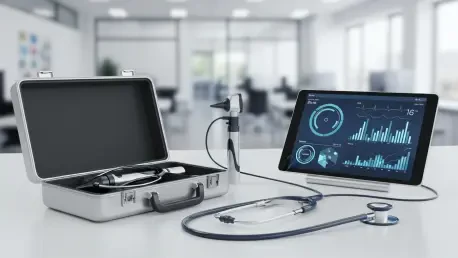
The transition from basic video consultations to high-fidelity medical examinations marks a significant evolution in how remote care is perceived and executed within the OSU network. By integrating TytoCare technology into their standard operating procedures, physicians are now equipped with handheld, multi-functional diagnostic devices that bridge the physical gap between the doctor and the patient. These tools allow for high-definition visual inspections of the ears, throat, and skin, providing clarity that was previously only available during in-person visits. Furthermore, the ability to perform medical-grade auscultation of the heart, lungs, and abdomen remotely means that complex internal symptoms can be assessed with a high degree of confidence. This sophisticated level of diagnostic depth ensures that patients suffering from acute or chronic conditions do not have to endure long, taxing journeys to urban centers for preliminary evaluations, as the remote provider can manage intricate cases with the same precision found in a traditional clinical setting.
Building on this technological foundation, the initiative focuses on maintaining a standard of care that mirrors the physical presence of a specialist in a rural examination room. The handheld devices are designed to capture and transmit data in real-time, allowing the physician to guide the diagnostic process dynamically based on what they observe through the digital interface. This capability is particularly vital for treating respiratory issues or cardiac anomalies that require immediate and accurate interpretation to prevent further complications. By moving beyond the limitations of simple audio-visual communication, OSU has created a “medical-grade” virtual environment where the diagnostic process is thorough and evidence-based. This approach not only enhances the accuracy of remote diagnoses but also builds a deeper level of trust between rural patients and the medical establishment, as they see that their local clinic can provide advanced technological interventions that were once thought to be the exclusive domain of large city hospitals.
The Vital Role of Telehealth Presenters
A critical element that distinguishes this initiative is the utilization of a “telehealth presenter,” a physically present individual who acts as the hands and eyes of the remote physician. This role is often filled by a nurse, a medical assistant, or even a trained non-clinical staff member, depending on the specific resources available at the rural site. The remote doctor provides real-step instructions to the presenter, guiding the placement of the diagnostic device to ensure that the data collected is of the highest quality. This collaborative workflow transforms the telehealth encounter from a passive conversation into an active clinical procedure where the physician remains in full command of the environment. By empowering local staff to assist in these advanced examinations, the program maximizes human resources and ensures that the expertise of a specialist located hundreds of miles away can be applied directly to a patient in a small-town clinic without delay.
The synergy between the remote expert and the on-site presenter effectively dismantles the logistical barriers that have historically hindered rural healthcare access. This model allows for immediate interventions during critical windows of treatment, reducing the wait times that often lead to the worsening of medical conditions. Moreover, the presence of a familiar local face during the virtual visit helps to alleviate the anxiety that some patients feel when interacting with technology or remote providers. The telehealth presenter serves as a vital bridge, translating the physician’s instructions into physical actions while providing the personal touch that is essential to the healing process. This structured partnership ensures that the clinical environment remains professional and efficient, allowing the remote physician to focus entirely on the diagnostic and therapeutic aspects of the encounter. Consequently, the local facility becomes more than just a satellite office; it evolves into a high-tech portal for specialized medical excellence.
Overcoming Operational and Educational Barriers
Seamless Integration Across Diverse Health Records
Expanding a virtual care network across 40 disparate locations presents a massive challenge in terms of data management and technical interoperability. Most rural hospitals and independent clinics operate on various legacy Electronic Health Record (EHR) systems, such as Cerner or Meditech, which often do not communicate effectively with one another. To overcome this fragmentation, OSU Virtual Care developed a proprietary, web-based EHR platform designed to serve as a universal bridge for clinical documentation. This customized system allows OSU providers to log patient encounters in a standardized environment while ensuring that the resulting data can be seamlessly integrated into the specific platforms used by their partner facilities. This technical flexibility has been a primary catalyst for the program’s rapid growth, as it removes the administrative friction that typically stalls large-scale digital health implementations and ensures that patient histories remain accurate across different providers.
The implementation of this unified documentation strategy also addresses the critical need for continuity of care in rural settings where patients may see multiple providers for different needs. By centralizing the virtual visit data, the platform ensures that every member of a patient’s care team, whether they are in a local clinic or a remote specialty office, has access to the most current diagnostic information and treatment plans. This reduces the likelihood of redundant testing and medication errors, which are common risks when healthcare data is siloed in disconnected systems. Furthermore, the proprietary nature of the platform allows OSU to adapt quickly to the evolving regulatory requirements of the medical industry, ensuring that privacy and security standards are consistently met across the entire network. This robust infrastructure provides a reliable foundation for the initiative, allowing the clinical staff to focus on patient outcomes rather than struggling with incompatible software or manual data entry across different sites.
Enhancing Healthcare Access in Rural Schools
One of the most impactful applications of this virtual care model has been its deployment within the educational sector, particularly in rural schools that lack a dedicated nursing presence. In these environments, the university has trained administrative staff, teachers, and counselors to act as telehealth presenters using portable diagnostic kits that fit easily into a backpack. These kits can operate via mobile hotspots, meaning that high-quality medical evaluations can occur in a school office or even a temporary classroom setting. When a student falls ill, they can be seen by a provider immediately, which significantly reduces the time they spend away from their studies. Statistics from the program indicate that over 54% of children who visit these virtual school clinics are able to return to their classrooms immediately following their appointment, representing a major victory for both health and educational consistency in underserved areas.
The benefits of school-based virtual care extend far beyond the immediate clinical encounter, as they provide a much-needed reprieve for working parents in rural communities. Previously, a child’s illness often meant that a parent had to leave work, drive a significant distance to the nearest clinic, and wait hours for an appointment, resulting in lost wages and productivity. By bringing the clinic to the school, the OSU initiative has saved approximately 240 hours of instruction time, which is equivalent to roughly 37 full school days. This proactive approach to pediatric health ensures that minor issues are addressed before they escalate into serious conditions that require emergency room visits. Moreover, it fosters a culture of wellness within the school system, providing students with reliable access to care that they might otherwise miss due to financial or transportation constraints. This integration of health and education demonstrates how technology can be used to support the broader social fabric of rural life.
Economic Stability and Systemic Success
The financial revitalization of rural healthcare facilities is perhaps the most significant long-term outcome of the OSU virtual care initiative. Historically, rural hospitals have struggled with the high costs of recruiting and retaining full-time specialists, often leading to a cycle of debt and service reduction. By utilizing virtual hospitalists and cardiology consultants, these institutions can now manage complex “swing-bed” patients locally, who would otherwise be transferred to urban centers. These patients generally require longer stays for rehabilitation or specialized monitoring, and keeping them in-house generates substantial revenue for the local facility. Data suggests that rural hospitals see an average increase of $25,000 to $35,000 in revenue per patient stay when utilizing these virtual services. Furthermore, the model helps partner hospitals avoid the exorbitant expenses associated with specialist recruitment, which can range between $200,000 and $350,000 in search and acquisition costs per physician.
Future considerations for this initiative should focus on the expansion of these virtual models to include a wider array of sub-specialties, such as neurology and mental health services, which remain critically underserved in rural Oklahoma. To ensure the continued success of this program, policymakers and healthcare administrators must work toward permanent reimbursement structures that recognize the value of “medical-grade” virtual visits as being equivalent to in-person care. This involves not only maintaining the current technological standards but also investing in the ongoing training of local telehealth presenters who are the backbone of the clinical workflow. By continuing to refine the interoperability of digital health platforms and expanding the school-based care network, OSU can solidify its blueprint for rural health as a national standard. The ultimate goal should be a healthcare system where technology is used to eliminate the distance between a patient’s home and the life-saving expertise they require, ensuring that financial stability and clinical excellence are accessible to all, regardless of their location.