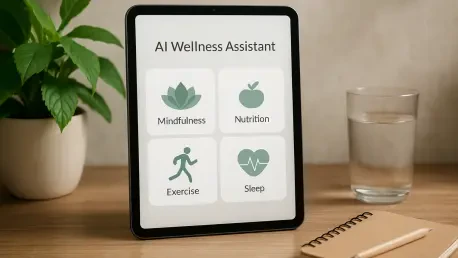

Navigating the fragmented landscape of personal health information, from disparate lab results and doctor’s notes to daily fitness tracker data, has long been a significant challenge for individuals seeking a comprehensive understanding of their own well-being. In response to this growing need for a unified and intelligent way to manage personal health, OpenAI has unveiled ChatGPT Health, a specialized wellness assistant designed to synthesize this data into actionable insights. This new feature operates as a dedicated space within the main ChatGPT platform, aiming to empower users by providing a contextual, personalized lens through which they can view their health journey. By creating a secure environment for users to connect their health records and app data, the tool promises to transform complex medical jargon and scattered data points into clear, understandable information, ultimately fostering more informed conversations between patients and their healthcare providers.
A New Frontier in Personalized Wellness
The core innovation of ChatGPT Health lies in its ability to securely integrate with a user’s personal health ecosystem, creating a powerful, context-aware wellness partner. The feature allows users to link data directly from popular wellness applications such as MyFitnessPal and Apple Health, and for those in the United States, it can connect with their official medical records. This deep integration enables the AI to move beyond generic advice and offer highly tailored assistance. For instance, a user could upload recent lab test results and ask for a simplified explanation of what the numbers mean, or prepare a list of targeted questions for an upcoming doctor’s appointment based on their health history. The system is also designed to help with everyday wellness management, offering customized diet and fitness suggestions that align with an individual’s specific goals and recorded activity levels. Furthermore, it can tackle more complex logistical challenges, such as helping a user analyze and choose an insurance plan that best fits their historical healthcare patterns and needs.
Prioritizing Privacy and Professional Collaboration
Recognizing the sensitive nature of health information, OpenAI has built ChatGPT Health with a stringent focus on privacy and data security. All conversations, uploaded files, and connected app data within the health feature are stored independently from a user’s general ChatGPT history. This means that health-related information will not be used to influence or inform non-health chats, creating a secure, siloed environment. Users are given complete and explicit control over their information, with the ability to view, manage, or permanently delete their health memories and connected data at any time. Crucially, OpenAI emphasizes that this tool is designed to support, not replace, professional medical advice. The company worked closely with a cohort of over 260 physicians during development to ensure the feature responsibly fulfills its intended role: to help users understand everyday health questions and long-term patterns, thereby empowering them to have more productive and informed dialogues with their doctors, rather than to diagnose or treat medical conditions.
The Path Forward for AI in Health Management
The initial introduction of ChatGPT Health was executed with a deliberate and cautious strategy, reflecting the high stakes of entering the personal wellness space. Access was first granted to a small group of users through a waitlist, with significant geographical restrictions in place. Due to stringent health and data privacy regulations, the service was not made available in the European Economic Area, Switzerland, or the United Kingdom, and the direct integration of medical records remained an exclusive feature for users in the United States. OpenAI’s plan to gradually expand availability to all users on web and iOS in the subsequent weeks signaled a methodical approach. This phased rollout represented a pivotal moment, marking a shift from generalized AI to specialized, data-driven tools that must carefully balance technological innovation with the paramount importance of user trust, data security, and clear ethical guidelines.