
In a significant move toward modernizing chronic disease management, England’s health technology assessment agency has provisionally endorsed a suite of digital tools designed to empower individuals living with asthma, a condition that poses daily challenges for millions. The National Institute for Health and Care Excellence (NICE) has given its preliminary approval for eight digital health technologies (DHTs) to be integrated into the National Health Service (NHS) under a special “early-use healthtech guidance.” This initiative launches a crucial three-year evidence-gathering period where the apps will be used in real-world clinical settings. The trial is designed to rigorously assess whether these technologies can deliver on their promise to improve patient outcomes, enhance self-management, and ultimately provide tangible benefits within the complex healthcare ecosystem. This pilot program represents a pivotal test for the role of digital health in mainstream medical practice, potentially setting a new standard for how chronic respiratory conditions are monitored and treated across the country.
A New Era of Digital Asthma Management
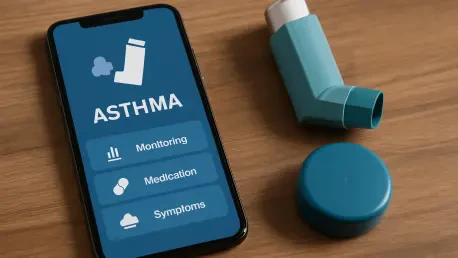
The eight technologies selected for this groundbreaking trial offer a comprehensive suite of tools aimed at placing control directly into the hands of patients. The approved applications include Asthmahub and its counterpart for parents, AsthmaTuner, Digital Health Passport, Luscii, myAsthma, the Respiratory Disease Management Platform, and Smart Asthma. Designed for smartphones and tablets, these platforms provide users with personalized digital asthma action plans, a critical component of effective condition management. Their functionalities are diverse yet synergistic, guiding users on appropriate steps to take when their symptoms change, offering robust tools for tracking symptoms and medication adherence, and sending timely reminders for inhaler use. Furthermore, these apps serve as educational resources, providing access to valuable content such as instructional videos on proper inhaler technique. This multipronged approach aims to transform asthma care from a series of intermittent clinical encounters into a continuous, patient-led process of monitoring and adjustment.
Beyond empowering patients, these digital platforms are engineered to foster a more collaborative and efficient relationship between individuals and their healthcare providers. A key feature of several approved apps is the ability to securely share user-generated data, such as symptom logs and medication usage patterns, directly with doctors and nurses. This seamless flow of information stands to make clinical appointments significantly more productive, allowing clinicians to review a detailed history of the patient’s condition beforehand. Instead of relying solely on patient recall, healthcare professionals can make more informed decisions based on objective, long-term data. This connectivity helps bridge the gap between clinic visits, providing a more holistic and accurate picture of a patient’s health. The ultimate goal is to create a feedback loop that enhances communication, personalizes treatment plans more effectively, and ensures that interventions are both timely and precisely tailored to the individual’s needs.
Addressing Health Disparities and Setting Standards
A core motivation behind this digital health initiative is its potential to address longstanding health inequalities. Dr. Anastasia Chalkidou of NICE highlighted that these technologies show significant promise in reaching underserved populations, noting that individuals from more deprived areas are disproportionately affected by asthma and tend to experience worse health outcomes. Digital tools, by their nature, can overcome traditional barriers to healthcare access, such as transportation and time off from work. By providing consistent, accessible support and education directly through a smartphone, these apps could help level the playing field. The standardized guidance and personalized action plans offered by the technologies can ensure that everyone, regardless of their socioeconomic background or geographical location, has access to high-quality information and management tools. This focus on equity is a critical aspect of the trial, which will evaluate whether digital interventions can be a powerful force in closing the health gap for chronic respiratory diseases.
The rigorous selection process employed by NICE underscores a commitment to evidence-based innovation rather than the wholesale adoption of technology for its own sake. While eight applications were approved for the trial, the agency determined that four other DHTs—EasyOne Connect, GoSpiro, the LungHealth app, and MIR Spiro—did not currently have sufficient evidence to support a recommendation for their use within the NHS. This distinction is crucial, as it demonstrates a methodical approach to integrating new technologies into clinical care, ensuring that only the most promising and well-supported tools are advanced. This careful curation protects both patients and the healthcare system from investing in solutions that may not deliver their stated benefits. To maintain transparency and gather broader input, NICE has opened a public consultation on these proposals, inviting feedback from stakeholders. This process reinforces the agency’s role as a gatekeeper for quality and efficacy in the rapidly evolving digital health landscape.
A Digital Pathway Forward
The initiative’s scope extends beyond patient-facing management apps, signaling a broader strategic embrace of technology in respiratory care. In a related development, NICE also published new guidance supporting the use of ArtiQ.Spiro, an advanced, AI-powered tool designed to automate the interpretation of spirometry tests. These tests are fundamental for diagnosing and monitoring lung function in conditions like asthma and Chronic Obstructive Pulmonary Disease (COPD). Much like the asthma apps, ArtiQ.Spiro is being deployed under an evidence-gathering framework to validate its real-world performance. NICE anticipates that this technology will play a crucial role in addressing the significant backlog of patients awaiting diagnostic testing. By enabling spirometry to be performed more efficiently and conveniently in community settings by a wider range of healthcare staff, this AI tool could dramatically improve access to essential diagnostics, ensuring that patients receive a timely and accurate diagnosis, which is the first step toward effective management.
This comprehensive endorsement of digital tools marked a pivotal moment in the NHS’s approach to chronic disease. The decision to launch this three-year trial was not merely an evaluation of eight specific applications but a foundational step toward building a validated framework for integrating digital health solutions into standard clinical practice. The data and insights gathered from this period were set to inform future policy on a grand scale, shaping how technology could be leveraged to personalize patient care, enhance provider efficiency, and deliver better health outcomes more equitably. This initiative represented a clear commitment to a future where data-driven insights and patient empowerment were at the heart of managing long-term conditions. It laid the groundwork for a healthcare system that was more proactive, accessible, and intelligently responsive to the needs of every patient.