
The familiar cadence of annual check-ups and reactive medical visits is steadily being replaced by a more dynamic, continuous, and deeply personalized approach to well-being. This transformation is not born from a new wonder drug or surgical technique but from a vast, interconnected web of smart devices known as the Internet of Things (IoT). By weaving technology into the very fabric of daily life, IoT is fundamentally reshaping the healthcare landscape, moving the center of care from the sterile confines of a hospital to the comfort of a patient’s home. It enables a constant dialogue between individuals and their healthcare providers, built on a foundation of real-time data. This shift promises not only to manage chronic conditions more effectively and respond to emergencies faster but also to usher in an era of proactive health management where potential issues are identified and addressed long before they become critical. This technological evolution is making medical care more precise, accessible, and ultimately, more human-centric than ever before.
The New Ecosystem of Connected Health
At its core, the application of IoT in the medical field is built upon the seamless acquisition, storage, and intelligent analysis of health data collected from a diverse ecosystem of connected devices. This network, encompassing everything from consumer-grade wearables and implantable sensors to stationary home monitoring equipment, creates an unbroken, 24/7 link between a patient and their care team. The relentless stream of information provides clinicians with unparalleled real-time insights into a patient’s physiological state, often allowing them to access and review critical reports before an individual even steps into a medical facility. This capability is dramatically improving responsiveness, particularly in emergencies, and enhancing the overall quality of care by making it more immediate and precise. The technology serves as the engine for a significant paradigm shift toward preventative health, where subtle deviations from a patient’s baseline can be detected and addressed early.
This constant flow of data fundamentally alters the nature of patient care, steering it away from a reactive model that addresses symptoms as they arise toward a proactive one focused on prevention and early intervention. For individuals managing chronic illnesses such as diabetes, hypertension, or heart disease, this transition is life-changing. Instead of relying on sporadic measurements taken during infrequent office visits, care plans can now be adjusted dynamically based on continuous data, improving long-term health outcomes and reducing the frequency of costly and disruptive hospitalizations. This data-driven approach allows for a level of personalization previously unattainable, tailoring treatment regimens to an individual’s unique lifestyle and physiological responses. Ultimately, this connected ecosystem fosters a collaborative partnership between patients and providers, empowering individuals to take a more active role in managing their own health with the support of constant, intelligent oversight.
A Transformative Impact Across the Board
The benefits of this technological integration extend across the entire healthcare spectrum, positively impacting patients, physicians, and the institutions that support them. For patients, IoT technology acts as a powerful catalyst for empowerment and self-management. Wearable devices, such as smartwatches, and specialized medical equipment, like connected blood pressure cuffs and glucometers, grant individuals the ability to track their vital health metrics in real time from anywhere. This capability is particularly transformative for those in rural or remote locations, where telehealth and remote monitoring can bridge critical gaps in healthcare delivery. For these underserved populations, IoT-enabled virtual consultations and data sharing can be just as effective as traditional in-person visits, democratizing access to high-quality medical expertise and ensuring continuity of care regardless of geographical barriers.
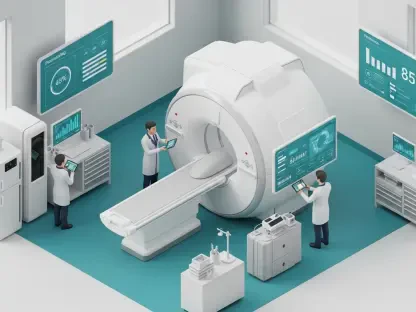
For medical professionals and healthcare institutions, IoT provides an unprecedented toolkit for enhancing both clinical efficacy and operational efficiency. Clinicians can leverage the continuous data from wearables and home monitoring devices to track a patient’s response to a specific treatment with remarkable accuracy. This constant feedback loop helps them make more informed decisions, identify the most effective therapeutic pathways, and personalize care plans based on rich, individual-specific datasets. Within the hospital environment, IoT is a powerful instrument for optimization and safety. Smart sensors are used to track the real-time location of essential medical assets like defibrillators and oxygen pumps, ensuring they can be deployed swiftly when needed. Furthermore, specialized IoT systems for hygiene monitoring help prevent the spread of infections, a critical aspect of patient safety that also leads to enhanced staff efficiency and reduced institutional costs.
Navigating the Complexities of Implementation
Despite its profound potential, the widespread adoption of IoT in healthcare is not without its significant hurdles, which demand careful consideration and robust solutions. On the technical front, a primary concern is scalability. As the number of connected medical devices grows exponentially, so does the volume of data they generate. Managing this deluge of information requires a highly resilient and scalable infrastructure that incorporates advanced cloud computing, edge processing for localized analysis, and sophisticated device lifecycle management systems. Compounding this challenge is the issue of interoperability. Many IoT devices operate on proprietary protocols, creating a fragmented technological landscape that makes it difficult to ensure seamless communication between different systems and to integrate new devices with legacy hospital infrastructures, particularly established Electronic Health Record (EHR) systems.
Beyond the technical challenges lie critical issues centered on security, privacy, and reliability. The continuous transmission of highly sensitive patient data across networks makes IoT systems an attractive target for malicious actors, rendering them vulnerable to data breaches, unauthorized access, and crippling ransomware attacks. Therefore, implementing robust, end-to-end security measures to protect both patient data and the devices themselves is a non-negotiable imperative. Safeguarding patient privacy is equally paramount, requiring strict adherence to regulations such as the Health Insurance Portability and Accountability Act (HIPAA). Furthermore, the effectiveness of many IoT applications, especially remote patient monitoring, hinges on stable, low-latency network connections. In areas with poor network coverage, connectivity gaps can disrupt monitoring and compromise patient safety, posing a significant barrier to equitable implementation.
The Horizon of Intelligent Healthcare
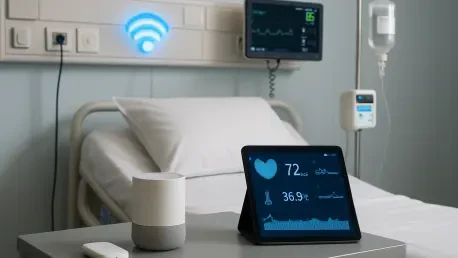
The systems at the forefront of this revolution are already enabling a wide range of powerful applications that redefine the boundaries of care delivery. Remote Patient Monitoring (RPM) has emerged as a cornerstone, utilizing devices like smart inhalers and continuous glucose monitors to automatically collect and transmit health data. This allows for constant oversight of patients with chronic conditions from their homes, significantly reducing hospitalizations. In parallel, Mobile Health (mHealth) applications leverage IoT devices to transmit patient data directly to healthcare provider smartphones, which also facilitate online appointment scheduling and communication. Within institutions, hospital automation streamlines internal workflows through innovations like smart beds that monitor patient vitals and movement, automated asset tracking, and intelligent inventory management systems that ensure supplies are always available where they are needed most.
The journey of IoT within the medical sphere revealed a clear trajectory toward an even more integrated and intelligent future. The convergence of Artificial Intelligence and IoT, often termed AIoT, demonstrated the potential to enable predictive diagnostics and create highly personalized therapies tailored to an individual’s genetic and lifestyle data. The exploration of “digital twins”—virtual replicas of patients or hospital systems—showed immense promise for predictive modeling and simulating treatment outcomes. Further advancements in 5G-enabled healthcare paved the way for real-time telemedicine and remote robotic surgeries, while voice-assisted smart devices began to offer hands-free operation in clinical settings. The investigation into blockchain technology for decentralized and secure health record management established a new standard for data integrity. Ultimately, the integration of these technologies has decisively shifted healthcare toward a proactive, data-driven model that has already improved outcomes and enhanced the quality of life for patients.