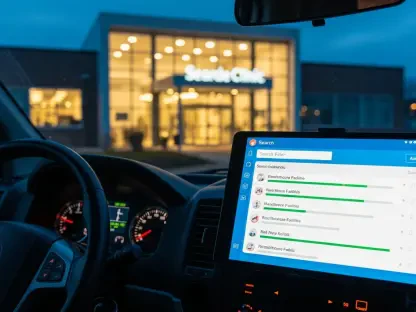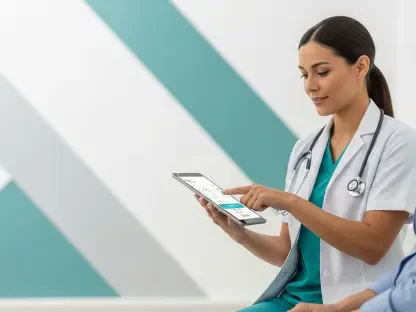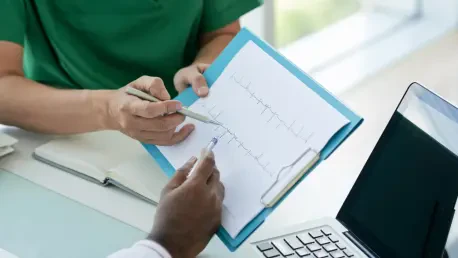

Managing a chronic condition should not feel like a full-time job tethered to a hospital bed or a bulky piece of stationary machinery. The CardioMEMS Hero system represents a critical shift toward proactive, home-based care. By utilizing a miniature wireless sensor implanted in the pulmonary artery, the system detects early hemodynamic changes before symptoms escalate. This approach allows clinicians to intervene early, preventing clinical crises through real-time data integration and precise monitoring.
Redefining Remote Care with the CardioMEMS Hero System
The landscape of heart failure management transitioned from reactive hospital visits to a model of constant oversight. This technology focuses on preempting fluid buildup, which is the primary cause of readmissions. By providing a clear window into the heart’s internal pressures, the system transformed how care teams interact with their patients remotely.
The Evolution of Pulmonary Artery Pressure Monitoring
Historically, heart failure was managed through late-stage symptoms like edema or shortness of breath. However, by the time these physical signs appeared, hospitalization was often inevitable. Monitoring pulmonary artery pressure proved to be a superior method, as these levels rise long before outward symptoms manifest. The Hero model refined this approach by addressing the portability issues that hindered earlier versions.
Enhancing Clinical Outcomes Through Technological Refinement
Streamlining Hardware for Greater Patient Compliance
A major hurdle in remote monitoring was the sheer size of the equipment. The Hero reader is 60% lighter and resembles a laptop case, making it easier for patients to incorporate into their daily lives. This portability ensured that adherence remained high even when patients were away from home.
Advancing Data Transmission via Integrated Connectivity
By integrating Wi-Fi and cellular capabilities, the system eliminated the need for complex setups. This connectivity allowed for immediate data transmission, enabling doctors to adjust medications in real-time. Continuous data streams ensured that no critical pressure spikes went unnoticed.
Improving Diagnostic Reliability and Ease of Use
The hardware design also improved the consistency of patient positioning during readings. By making the process more intuitive, the system reduced the “noise” in the data caused by user error. This enhanced reliability allowed cardiologists to make high-stakes decisions with greater confidence.
Navigating the Future of Heart Failure Economics and Regulation
Recent changes in Medicare reimbursement policies made these sensors accessible to a broader population. This financial shift, coupled with Abbott’s strong 12% growth in the sector, indicated that remote monitoring was becoming the standard of care. Value-based models now prioritize these tools to lower long-term costs.
Strategies for Integrating Remote Monitoring into Clinical Practice
Successful integration required identifying motivated candidates in NYHA Class II or III. Establishing clear workflows for alert management ensured that data was acted upon immediately. When used correctly, the technology provided patients with a sense of autonomy rather than a reminder of their illness.
The Impact of High-Tech Monitoring on the Future of Cardiology
The system represented a milestone in data-driven medicine that bridged the gap between the clinic and the home. It replaced the fear of sudden hospitalization with the security of constant, invisible oversight. This advancement gave patients their freedom back while shifting cardiology toward a sustainable model of chronic health maintenance. These innovations simplified the treatment landscape and fostered a more resilient healthcare infrastructure.