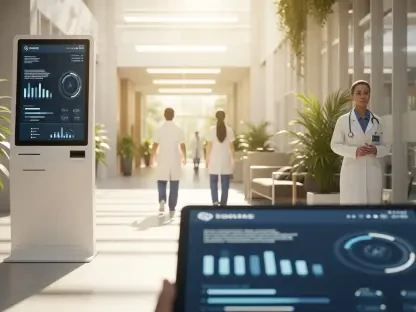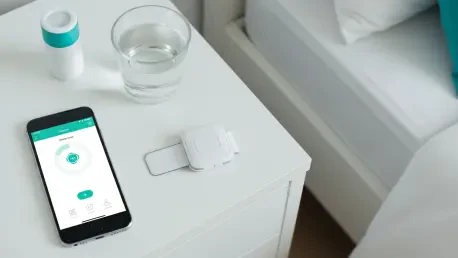

The traditional concept of the hospital as a centralized fortress of medical intervention is rapidly dissolving as advanced technology redistributes complex clinical capabilities directly into the private residences of patients across the globe. This profound structural shift is not merely a change in the physical location of treatment but a fundamental redesign of healthcare delivery that prioritizes the patient’s environment as a primary therapeutic space. By integrating sophisticated artificial intelligence, high-fidelity remote monitoring systems, and interconnected smart home ecosystems, healthcare providers are effectively replicating intensive clinical environments within the residential setting. This evolution addresses the mounting pressure on a strained medical infrastructure that is currently struggling to support an aging population with increasingly complex needs. The sanctuary of the home offers a unique opportunity for recovery and long-term management that avoids the secondary complications often associated with prolonged stays in traditional inpatient facilities. As digital tools continue to bridge the historical gap between the sterile ward and the living room, the focus has shifted toward a model where the home becomes the center of gravity for the entire healthcare journey. This transition is further accelerated by the rising prevalence of chronic conditions that require consistent, high-touch management rather than episodic, reactive visits to emergency departments. The transformation is sustained by a growing recognition that clinical outcomes are often superior when patients remain in familiar surroundings, supported by their social networks and personalized daily routines.
The Proactive Shift: Predictive Artificial Intelligence and Diagnostics
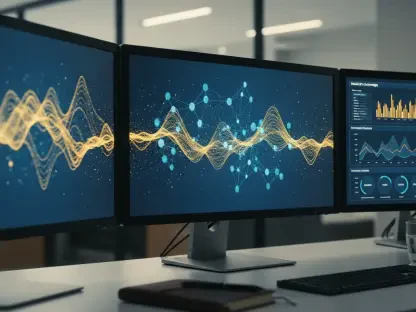
At the heart of this medical revolution is the integration of artificial intelligence, which is successfully shifting the healthcare paradigm from a purely reactive model to one that is fundamentally proactive. Historically, patients only sought professional help after symptoms became unmanageable or reached a crisis point, leading to high-cost emergency interventions. The modern landscape utilizes AI-powered platforms that prioritize early intervention by analyzing continuous streams of physiological data collected from a variety of sources. Machine learning algorithms are now capable of identifying incredibly subtle patterns that precede a clinical crisis, often detecting issues days before a patient becomes symptomatic. For instance, in patients managing chronic heart failure, sophisticated algorithms can pinpoint minute changes in respiratory patterns, fluid retention, or activity levels that would be invisible to the human eye. This capability allows medical teams to adjust medications or intervene remotely, preventing the need for a traumatic and expensive hospital admission. By moving the analytical heavy lifting into the cloud, providers can maintain a vigilant watch over thousands of patients simultaneously, ensuring that care is delivered precisely when it is needed most.
Beyond the purely clinical diagnostics, artificial intelligence is radically altering the operational side of home healthcare by streamlining complex provider tasks and reducing the administrative burden. Modern health-tech systems now automate vast portions of the documentation process, which has traditionally been a major source of burnout for home health nurses and visiting physicians. These platforms optimize care coordination by using predictive modeling to schedule visits based on patient risk levels rather than arbitrary calendar dates. This shift allows human providers to spend significantly less time on repetitive paperwork and more time on high-value direct patient interaction, ensuring that technology serves as an enhancer for the human element of medicine. The financial momentum behind these developments is undeniable, as investment in AI-driven provider operations has surged to meet the demand for more efficient service delivery. By automating the logistical complexities of home-based care, the industry is creating a scalable model that can support millions of individuals without sacrificing the quality or safety that patients expect from a traditional hospital ward.
Continuous Health Tracking: Remote Monitoring and Advanced Wearables
Remote patient monitoring serves as the constant, invisible connection between the individual and the healthcare system, acting as the eyes and ears of the clinical team within the home environment. The technology has matured from simple consumer-grade trackers into medical-grade devices that are capable of monitoring vital signs such as heart rhythm via multi-lead ECGs, oxygen saturation, and continuous blood glucose levels in real-time. These devices provide physicians with a continuous narrative of a patient’s health status, effectively replacing the traditional snapshot provided by occasional, short-lived office visits. With a constant flow of high-fidelity data, clinicians can observe how a patient responds to a new medication or a change in diet throughout the entire day and night, rather than relying on the patient’s memory or subjective reporting. This level of granular visibility allows for highly personalized treatment plans that can be adjusted in real-time, significantly improving the efficacy of long-term chronic disease management. The integration of these tools into daily life is becoming increasingly seamless, as devices become smaller, more comfortable, and easier for patients of all technical abilities to operate.
The clinical and economic implications of these advanced monitoring tools are substantial, as they have already demonstrated a significant reduction in the rate of hospitalizations for those with chronic conditions. When complications are identified in their earliest stages, the cost of intervention is a fraction of what would be required after an emergency department admission. Furthermore, the development of passive biosensors represents a major leap forward in patient compliance and data accuracy. These sensors are increasingly embedded in everyday items such as clothing, smart mattresses, or small adhesive patches, allowing for the monitoring of hydration levels, cortisol markers, and sleep quality without requiring any active effort or habit changes from the patient. This frictionless data collection ensures that the information received by physicians is not skewed by “white coat hypertension” or the stress of active testing. By making the monitoring process invisible, technology allows patients to focus on their recovery and daily lives while maintaining the safety net of constant medical oversight. This approach naturally leads to a more sustainable healthcare economy where resources are allocated based on real-time physiological need rather than scheduled intervals.
Telehealth Integration: A Mainstream Model for Specialized Care
Telehealth has matured into a cornerstone of the at-home care model, evolving far beyond simple video conferencing into a comprehensive digital interface for complex medical management. Current platforms integrate AI-powered triage tools that meticulously assess a patient’s symptoms before they even speak with a healthcare professional, ensuring that resources are prioritized for those with the most urgent needs. This digital-first approach streamlines the entire consultation process, allowing specialists to reach patients who would otherwise face significant barriers to care due to mobility limitations or geographic isolation. The modern telehealth visit is supported by integrated diagnostic kits that allow patients to perform basic physical exams, such as ear inspections or lung sound recordings, under the guidance of a remote physician. This expansion of capabilities means that a vast majority of routine and even some acute medical issues can now be handled entirely within the home setting. The industry is moving toward a permanent hybrid model where initial screenings and routine check-ins are handled through digital channels, reserving physical clinical space for complex procedures and hands-on examinations.
The integration of virtual follow-up protocols and e-prescription platforms has created a seamless experience where patients can be diagnosed, treated, and managed without ever leaving their living rooms. This is particularly transformative for individuals living in rural healthcare deserts where access to specialized oncology, neurology, or cardiology services might otherwise require hours of travel. The digital interface also facilitates better multidisciplinary care, as multiple specialists can join a single virtual consultation to discuss a patient’s case in real-time, a feat that is often logistically impossible in a traditional hospital setting. By breaking down the silos of specialized medicine, telehealth platforms ensure that the various aspects of a patient’s care are fully synchronized. The focus of the industry is now on ensuring that these digital tools are accessible to all segments of the population, regardless of digital literacy or internet connectivity. As these platforms become more intuitive, they are empowering patients to take a more active role in their own health management, fostering a collaborative relationship between the patient and the medical team that was rarely possible under the old centralized model.
Smart Home Ecosystems: The Internet of Medical Things and Digital Twins
One of the most innovative aspects of this technological shift is the transformation of the residential environment itself into a sophisticated medical device through the Internet of Medical Things. Connected household sensors can now be configured to reduce the risk of common injuries, such as falls, by automatically illuminating pathways during the night or detecting unusual changes in a patient’s gait. Smart thermostats can maintain temperatures that are optimal for a specific patient’s recovery requirements, while environmental sensors monitor for potential hazards like air quality issues or carbon monoxide. Voice-activated assistants have become essential tools for individuals with limited mobility, allowing them to control their environment, set medication reminders, and contact emergency services through simple verbal commands. This create a robust safety net that helps elderly patients maintain their independence for longer periods, delaying or even eliminating the need for institutional assisted living. The home is no longer just a place to live; it is a dynamic participant in the healing process that provides constant, non-intrusive support to its inhabitants.
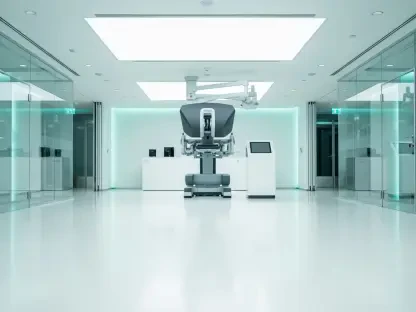
The most advanced frontier of this evolution involves the concept of the digital twin, where a virtual replica of a patient is created using genetic data, medical history, and real-time biometrics. This allows clinicians to simulate how a specific treatment or medication might affect a particular individual before it is actually administered, virtually eliminating the trial-and-error approach that often characterizes chronic disease management. When combined with the rise of assistive robotics, these technologies address both the physical and emotional dimensions of at-home care in unprecedented ways. Robots can now assist with physical therapy exercises, ensuring that patients maintain the correct form and resistance levels, while AI-powered companions provide social interaction and security for those living alone. These tools do not replace human caregivers but rather augment their capabilities, providing around-the-clock support that a human provider cannot realistically offer. The result is a highly personalized medical experience that treats the patient as a unique individual rather than a collection of symptoms. This comprehensive integration of technology ensures that the home-based care of the future is as safe, effective, and sophisticated as any hospital-based intervention.
The Path toward Universal Medical Personalization
The transition toward technology-enabled home care represented a historic shift in the social contract of medicine, moving the focus from institutional authority to individual empowerment. By the mid-point of this decade, the healthcare industry successfully demonstrated that the most effective way to manage population health was to meet patients exactly where they lived. The integration of artificial intelligence and remote monitoring did not just reduce costs; it fundamentally improved the quality of life for millions who previously felt tethered to clinical facilities. This shift proved that medical safety and high-level intervention were not dependent on the presence of hospital walls, but rather on the quality and continuity of data flow between the patient and the provider. The successes observed in these programs provided the necessary evidence for insurers and government agencies to permanently restructure reimbursement models, favoring value-based care over traditional fee-for-service structures. This economic realignment ensured that the incentives of the medical system were finally synchronized with the long-term well-being and independence of the patient.
Moving forward, the industry must prioritize the expansion of digital equity and robust cybersecurity to ensure that the benefits of home-based care are accessible and safe for everyone. As more sensitive health data is transmitted across residential networks, the implementation of decentralized security protocols and advanced encryption became a non-negotiable standard. Providers and policymakers should focus on developing localized infrastructure that supports high-speed connectivity in underserved areas, preventing the emergence of a two-tiered healthcare system. Continuous education for both patients and caregivers will be essential to maximize the utility of these evolving tools, ensuring that technology remains a servant to human health rather than a barrier. The ultimate goal should be the creation of a global healthcare ecosystem where the “hospital” is no longer a destination but a set of services that follows the individual wherever they go. By maintaining this trajectory, the medical community can ensure that aging or illness no longer necessitates a loss of personal liberty, but instead triggers a transition into a supportive, tech-enabled environment that preserves dignity and optimizes health outcomes.