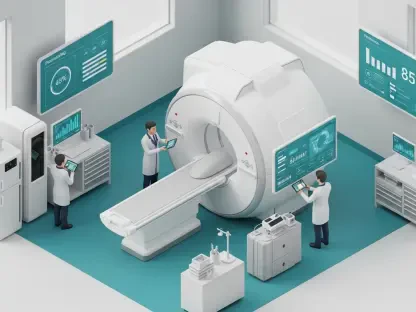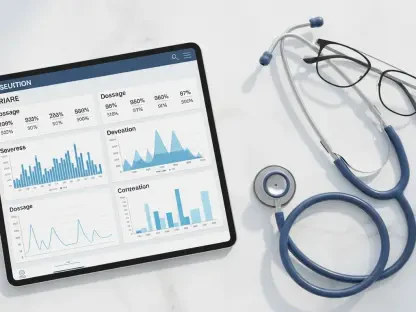

The landscape of modern medicine is undergoing a seismic shift as the United Arab Emirates positions itself as a primary architect of a new, data-driven era of global health security. By hosting the inaugural WHX Leaders Forum in Dubai, the nation has moved beyond merely adopting international standards to actively defining them through a sophisticated integration of artificial intelligence and biotechnology. This gathering of senior government officials, technological pioneers, and global investors signifies a departure from traditional medical gatherings, focusing instead on a systemic redesign of healthcare delivery. The forum established a clear mandate: to move past the limitations of 20th-century medicine and embrace “Health Intelligence” as the foundational pillar for national and global resilience. By fostering an environment where innovation is not just discussed but rapidly prototyped, the UAE is creating a blueprint for how nations can utilize high-velocity data to manage population health more effectively than ever before.
Shifting from Reactive Care to Predictive Intelligence
The transition from a reactive, illness-based model to a proactive, wellness-oriented framework represents the most significant evolution in contemporary medical strategy. For decades, global health systems have struggled under the weight of late-stage disease management, which is both economically unsustainable and clinically inefficient. In response, the UAE is championing a shift toward “Health Intelligence,” where predictive analytics and real-time monitoring allow for interventions long before symptoms even manifest. This approach reclassifies the patient not as a passive recipient of emergency care, but as a central data point in a continuous health monitoring loop. By treating the entire nation as a “living laboratory,” the government is testing scalable models that prioritize metabolic health, early oncology screening, and cardiovascular risk management. This strategy seeks to dismantle the “sick-care” cycle, replacing it with a robust infrastructure that identifies physiological deviations at their earliest stages.
Building upon this predictive foundation, the UAE is utilizing its unique regulatory environment to accelerate the deployment of personalized medical protocols. This involves a fundamental redesign of the clinical journey, where digital twins and remote monitoring tools provide doctors with a comprehensive, 24/7 view of patient health. Instead of relying on sporadic, annual check-ups that often miss critical windows of opportunity, the new model uses persistent data streams to inform daily health decisions. This level of oversight ensures that chronic conditions like diabetes or hypertension are managed with precision, reducing the likelihood of acute complications that strain hospital resources. By demonstrating the efficacy of these methods at a national scale, the Emirates provides a tangible example for other developed nations currently grappling with aging populations and rising healthcare costs. The focus remains on achieving superior outcomes through early detection, thereby preserving both human life and economic productivity.
Integrating Genomics with Unified National Data Platforms
Central to the realization of personalized medicine is the UAE National Genome Program, which currently stands as one of the most ambitious and comprehensive population health initiatives in existence. By sequencing the genetic profiles of a vast portion of its citizenry, the nation is building a massive repository of biological insights that can predict susceptibility to specific hereditary diseases and conditions. This program does not operate in a vacuum; it is intricately linked with “Riayati,” the national unified medical record platform. This integration ensures that a patient’s genetic data is instantly accessible to authorized clinicians, allowing for pharmacogenomics—the practice of tailoring drug treatments based on an individual’s genetic makeup. Such precision eliminates the traditional “trial and error” method of prescribing medication, significantly reducing adverse drug reactions and improving recovery rates across the population.
The synergy between large-scale genomic data and centralized health records provides a powerful engine for evidence-based policymaking and public health planning. With a unified view of the nation’s health, authorities can identify regional trends, such as clusters of specific metabolic disorders or infectious disease outbreaks, with unprecedented speed. This data-centric approach is further bolstered by the integration of the National Health and Nutrition Survey into the digital ecosystem, providing a holistic view of the environmental and lifestyle factors influencing biological health. This creates a feedback loop where policy decisions regarding food security, urban planning, and public exercise initiatives are driven by actual health data rather than general assumptions. Consequently, the healthcare system evolves into a dynamic entity that can pivot its resources in real-time to address the most pressing needs of the community, ensuring long-term systemic stability and improved quality of life.
Establishing Ethical Governance and Global Technological Equity
As artificial intelligence becomes the primary engine for processing complex medical data, the necessity for robust ethical governance has moved to the forefront of the global health conversation. During the WHX Leaders Forum, the consensus among international bodies like the World Health Organization was that technology must be tempered by human-centric oversight to prevent bias and protect patient privacy. The UAE is responding to this challenge by developing rigorous regulatory frameworks that ensure AI algorithms are transparent, auditable, and secure. This involves creating standardized protocols for data anonymization and establishing clear liability guidelines for AI-assisted diagnoses. By taking a lead in these regulatory discussions, the Emirates is helping to build a global culture of trust, which is essential for the widespread adoption of digital health tools. The goal is to ensure that while technology moves fast, it does so within a safe and ethically sound perimeter.
Furthermore, the advancement of these high-tech health models offers a unique “leapfrog” opportunity for developing nations, particularly those in the Global South. Traditional healthcare infrastructure is incredibly expensive and time-consuming to build, but data-driven health intelligence allows for decentralized care that bypasses the need for massive, centralized hospital networks. By utilizing mobile diagnostics and AI-powered screening tools, emerging economies can provide high-quality care to remote or underserved populations at a fraction of the cost. The UAE’s role as a proving ground for these technologies includes a commitment to international cooperation, sharing best practices and open-source analytics with global partners. This initiative helps bridge the digital divide, ensuring that the benefits of genomics and AI are not restricted to wealthy nations but are instead used to elevate the global standard of care. This focus on equity ensures that the next generation of medical breakthroughs contributes to a more balanced and resilient global health ecosystem.
Cultivating Cross-Border Partnerships for Future Standards
The long-term success of health intelligence depends on the seamless collaboration between sovereign governments, academic institutions, and private sector innovators. The UAE has successfully positioned itself as a neutral ground for these diverse stakeholders, bringing together entities like the Mayo Clinic, AstraZeneca, and various global vaccine alliances to co-create the future of medicine. These partnerships are not merely ceremonial; they are focused on practical outcomes, such as harmonizing regulatory standards for new therapies and developing shared data architectures for pandemic preparedness. By hosting health ministers from across the Middle East alongside Western technology giants, the UAE facilitates a unique exchange of intellectual capital that accelerates the pace of innovation. This collaborative spirit is essential for solving complex problems that no single nation can address alone, such as the rise of antimicrobial resistance or the management of global viral threats.
Looking ahead, the healthcare industry must prioritize the implementation of interoperable systems that allow for the secure exchange of health intelligence across international borders. Stakeholders should focus on creating universal data standards that enable a patient’s medical history—including genomic insights—to travel with them safely, ensuring continuity of care in an increasingly mobile world. Organizations should also invest heavily in digital health literacy, empowering both clinicians and patients to utilize AI-driven tools effectively and responsibly. As the UAE continues to refine its “living laboratory” model, the next logical step is to expand these pilot programs into regional networks, creating a shared defense against disease. The global community was urged to view healthcare not as a localized service but as a global infrastructure project, where shared intelligence and proactive governance provide the ultimate security for future generations. Success in this new era will be measured by the ability to prevent crises before they occur, shifting the focus of human ingenuity from treating the sick to maintaining the thriving health of the world.