
Navigating the complexities of a rare diagnosis often requires far more than a simple prescription delivery; it demands a comprehensive support system that bridges the geographical and clinical gaps inherent in modern medicine. This article explores how specialized pharmacy models provide a lifeline for patients who struggle to access life-altering therapies. Readers will discover the mechanics of multidisciplinary care teams and the impact of home-based clinical interventions on health outcomes.
The scope of this discussion centers on high-touch care, a method that prioritizes personalized interaction to overcome the hurdles of chronic illness. By examining the roles of various healthcare professionals, the narrative explains how integrated support improves quality of life for those in remote or underserved areas.
Key Questions or Key Topics Section
Why Is a Coordinated Care Team Essential for Rare Disease Patients?
Rare diseases involve intensive treatment regimens that can be overwhelming to manage alone. Without a dedicated support structure, the burden of coordinating between specialists and understanding complex medication protocols often leads to treatment fatigue or errors. This administrative and emotional weight can significantly hinder the effectiveness of even the most advanced therapies.
A coordinated approach addresses these challenges by integrating pharmacists, nurses, and social workers into a single team. This collective expertise ensures that every aspect of health is monitored alongside pharmaceutical therapy. By identifying and removing non-clinical barriers, such as insurance hurdles or nutritional concerns, this model fosters a more resilient path to recovery and long-term stability.
What Role Does the Nurse Navigator Play in Improving Clinical Outcomes?
The path toward stability in rare disease management is often unpredictable, marked by side effects and a constant need for education. Patients frequently feel lost in a fragmented system where quick office visits do not provide enough time for guidance. This lack of communication often results in non-adherence or unnecessary complications that could have been avoided with better oversight.
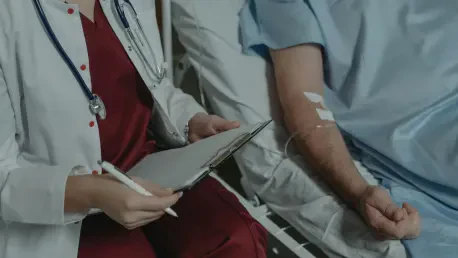
The nurse navigator serves as a consistent clinical anchor, providing a direct line for education and troubleshooting. These professionals manage side effects in real-time and help prevent hospitalizations by intervening before minor issues escalate into crises. Their presence transforms a clinical process into a personalized journey, ensuring that patients understand not just how to take their medication, but why it is vital for their specific condition.
How Do Home-Based Services Alleviate the Isolation of Rare Illnesses?
Living far from medical centers can make receiving specialized care an exhausting ordeal. The strain of travel frequently discourages patients from staying consistent with their prescribed treatment plans. This physical distance also contributes to a sense of isolation, as patients feel disconnected from the experts who understand their specific medical needs.
Bringing high-touch care directly into the home changes this dynamic by offering stability through regular nursing visits. These services build social connections and provide support that reduces the loneliness of a rare diagnosis. For those managing complex deficiencies, having a professional visit their home provides a sense of security that a hospital setting cannot replicate, reinforcing the patient’s commitment to their health.
Summary or Recap
The integration of personalized specialty care represents a shift toward more accessible healthcare. By focusing on the nuances of each rare condition and fostering relationships, these models ensure high medication adherence. Access to expert guidance and dedicated navigators remove the traditional friction found in the medical system, allowing patients to focus on their recovery rather than the logistics of their care.
Ultimately, the combination of clinical expertise and advocacy creates an environment where patients feel supported. This strategy prioritizes individual well-being over the mere distribution of drugs. For those looking for more information, health advocacy groups often provide directories of pharmacies that offer these specialized, high-touch services.
Conclusion or Final Thoughts
The evolution of decentralized care demonstrated that the most effective interventions occurred when treatment adapted to the lifestyle of the patient. Organizations that moved beyond the traditional pharmacy role successfully reduced the psychological weight of chronic illness. They proved that clinical success was tied directly to the quality of the relationship between the provider and the individual.
Moving forward, individuals should evaluate their current support systems and seek out specialized partnerships that offer comprehensive home-based resources. Adopting a proactive stance on patient-centric care became the definitive way to secure better health outcomes in an increasingly complex medical landscape. This shift towards empathy and accessibility fundamentally altered the experience of managing a rare disease.