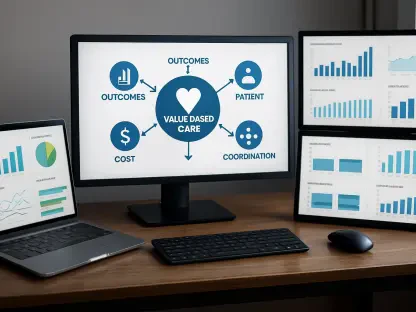

The silent progression of high cholesterol remains one of the most significant yet underaddressed threats to cardiovascular longevity in the modern healthcare landscape. Statistics indicate that approximately 70% of adults struggling with obesity also contend with elevated cholesterol levels, creating a dangerous synergy that frequently goes undertreated despite the existence of effective interventions. To address this critical gap, advanced virtual care providers have recently expanded their cardiometabolic platforms to include specialized support for cholesterol management. By integrating these services into a unified framework that already manages blood pressure, weight, and diabetes, medical technology companies are moving toward a more comprehensive view of metabolic health. This transition reflects a necessary shift away from treating isolated symptoms in silos, instead recognizing that various metabolic conditions are deeply interconnected and require a synchronized approach to prevent severe long-term health complications before they reach a crisis point. These platforms now offer a multidisciplinary team approach to ensure lipid levels are monitored alongside other vital signs.
Bridging the Gap Through Hybrid Human and Artificial Intelligence
The implementation of a hybrid care model represents a sophisticated evolution in digital health, combining the analytical power of artificial intelligence with the empathy of human-led coaching. This approach utilizes specialized algorithms to track patient progress while providing a multidisciplinary team of health coaches and cardiometabolic specialists to guide daily decisions. These professionals offer personalized insights into nutrition, behavior modification, and medication adherence, ensuring that participants are not navigating their health journey in isolation. By embedding cholesterol support within an existing digital framework, patients receive a holistic experience that simplifies the management of complex health profiles. This synchronization is essential because high cholesterol is often a preventable spark that, if left unmanaged alongside other metabolic issues, can lead to catastrophic cardiovascular events. Through daily engagement and real-time data monitoring, these platforms empower individuals to maintain the lifestyle changes necessary for long-term success without the friction typical of traditional systems.
Moving Beyond the Limitations of Traditional Clinical Models
Traditional healthcare models often rely on infrequent laboratory tests and periodic office visits, which can leave patients vulnerable between appointments. In contrast, the current trend toward integrated virtual care focuses on continuous support to overcome common obstacles such as statin hesitation and inconsistent monitoring. Medical leadership has noted that cholesterol metrics are frequently overshadowed by blood sugar or weight goals, yet daily clinical support proved essential for ensuring that patients understood their treatment plans and felt confident in their medication protocols. Moving forward, healthcare systems sought to prioritize preventive lifestyle interventions that placed patients on a sustainable path toward healthy lipid profiles. Organizations began to recognize that addressing the whole person rather than isolated symptoms was the most effective way to mitigate future medical crises. By fostering a proactive environment, providers ensured that cardiovascular health became a consistent priority, ultimately reducing the overall burden of chronic disease through persistent and personalized virtual engagement.