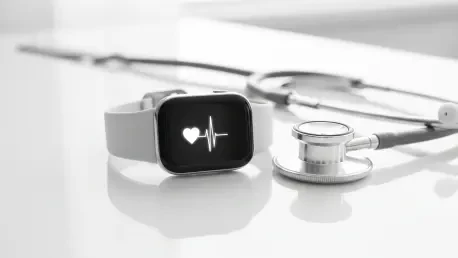

The rapid evolution of wearable technology has officially moved beyond the era of simple step counting to a sophisticated landscape where personal devices act as digital bridges between daily lifestyle choices and clinical medical histories. This shift is most evident in the recent expansion of the Fitbit ecosystem, which now allows users to integrate their formal medical records directly into the application to power a more nuanced artificial intelligence coaching experience. By consolidating laboratory results, medication lists, and clinical visit summaries within a single interface, the platform attempts to provide a level of health insight that was previously reserved for direct consultations with medical professionals. This development represents a significant pivot for consumer health tech, as it seeks to transform raw biometric data into actionable medical intelligence. The goal is to move away from generic fitness suggestions and toward a highly contextualized wellness strategy that acknowledges the unique physiological requirements and historical health milestones of every individual user.
Evolution of Personalized Health Insights
Integration of Clinical Records and Lifestyle Metrics
The central mechanism of this technological update involves a deep synthesis of personal health records with the real-time activity data that Fitbit has collected for years. When a user uploads their laboratory results, such as lipid panels or blood glucose levels, the AI-driven health coach can analyze these professional benchmarks alongside daily metrics like resting heart rate, sleep variability, and physical exertion. For example, rather than providing a standard reminder to exercise, the system might correlate a recent high cholesterol reading with a trend of sedentary behavior, offering a specific recommendation to increase cardiovascular activity to address that clinical finding. This move follows a broader industry trend where competitors have also begun to lean into medical-grade data to maintain relevance in a crowded market. By incorporating professional clinical history, the platform attempts to move from a “one size fits all” wellness model to a bespoke coaching service that understands the user’s internal biology as well as their external movements.
This expansion into the clinical realm also includes enhanced connectivity for specialized hardware, such as continuous glucose monitors, which are becoming increasingly popular even among non-diabetic populations focused on metabolic health. Integrating these streams allows users to see an immediate, data-backed representation of how specific dietary choices or high-intensity interval training sessions impact their blood sugar levels in real time. This level of transparency is designed to foster a deeper understanding of metabolic health, allowing individuals to make informed decisions based on their body’s specific responses rather than following general nutritional guidelines. Furthermore, the system is rolling out updated sleep staging models that utilize this expanded data pool to better distinguish between brief naps and actual sleep interruptions. By refining these metrics, the platform provides a more accurate picture of recovery and readiness, ensuring that the AI coach delivers advice that is synchronized with the user’s current physiological state and long-term medical goals through 2027 and beyond.
Advancements in Metabolic and Sleep Monitoring
The integration of continuous glucose monitoring represents a pivotal shift toward proactive metabolic management within the consumer fitness space. By allowing the AI coach to access real-time glucose fluctuations, the system can provide immediate feedback on how a late-night meal or a morning workout influences glycemic variability. This functionality is particularly relevant as more individuals seek to optimize their energy levels and manage weight through data-driven insights rather than trial and error. The AI analyzes these patterns to identify triggers for energy crashes or spikes, suggesting adjustments to meal timing or composition that align with the user’s documented medical history. This approach ensures that the advice given is not only scientifically sound but also personally relevant to the user’s specific metabolic profile. As these technologies become more deeply embedded in daily life, the focus moves from simply recording what happened to predicting how specific actions will influence future health outcomes over the next several years.
Beyond metabolic tracking, the platform has refined its approach to sleep analysis by incorporating clinical data to provide a more holistic view of nocturnal recovery. Improved sleep staging models now differentiate between intentional rest periods and fragmented sleep caused by external stressors or underlying health conditions. This is achieved by cross-referencing movement and heart rate data with the user’s reported medical history, such as prescriptions that might affect sleep architecture. The AI coach then uses this information to suggest personalized wind-down routines or environment adjustments that are specifically tailored to the user’s documented needs. By providing a clearer distinction between different types of rest, the system helps users understand the quality of their recovery in a much more granular way. This detailed level of analysis is crucial for high-performance athletes and individuals managing chronic fatigue alike, as it offers a clear path toward improving overall well-being through targeted, data-backed interventions in their daily routines.
Security Protocols and Analytical Accuracy
Mitigation of AI Hallucinations and Medical Misinformation
One of the primary challenges in deploying an AI-powered health coach involves ensuring the accuracy of the insights provided while preventing the phenomenon known as “hallucination,” where large language models generate false information. To combat this risk, Google has implemented a series of sophisticated “self-critique” tools and guardrails designed to verify the reliability of the AI’s responses before they reach the user. These protocols are specifically tuned to identify when the AI might be overstepping its bounds by offering what could be interpreted as a formal medical diagnosis or a specific treatment plan. Instead, the system is programmed to emphasize its role as a supportive tool rather than a replacement for professional medical advice. It frequently prompts users to consult with their primary care physicians when clinical anomalies are detected. This balance is critical for maintaining user trust and ensuring that the platform remains a safe environment for health exploration without encouraging dangerous self-diagnosis or improper treatment.
The development of these safeguards involves using advanced neural architectures that prioritize factual consistency and medical validity over conversational fluency. By training the models on verified medical literature and clinical guidelines, the developers aim to minimize the chances of the AI providing outdated or conflicting health advice. Furthermore, the system is designed to recognize the limitations of its own data, acknowledging when it lacks sufficient context to provide a meaningful recommendation. This humility in the AI’s programming is a deliberate choice to prevent the dissemination of misleading information that could lead to poor health decisions. As users increasingly rely on digital assistants for health guidance, the importance of these accuracy-focused features cannot be overstated. The goal is to create a reliable companion that enhances the user’s health literacy, providing them with the information they need to have more productive and informed conversations with their actual healthcare providers during scheduled clinical visits.
Privacy Standards and Data Governance Frameworks
As personal medical records are integrated into consumer applications, the importance of robust data privacy and security measures has become a central focus for both developers and users. Google has stated that medical records uploaded to the Fitbit application are stored within a secure environment and are strictly prohibited from being utilized for advertising purposes. This commitment to data silos is intended to reassure users that their sensitive clinical history will not be exploited for commercial gain or shared with third-party brokers without explicit consent. However, the technical community continues to scrutinize the specifics of whether this data is processed entirely on-device or within a cloud-based infrastructure. Ensuring that health data remains encrypted both at rest and in transit is a fundamental requirement for maintaining the integrity of the platform. These security measures are essential for fostering a sense of safety among users who are rightfully cautious about sharing their most private information with a global technology firm.
The ongoing management of this data involves a complex governance framework that must navigate varying international regulations regarding health information privacy. As the platform scales, the challenge will be to maintain these high standards while providing the seamless, high-speed processing required for a responsive AI coaching experience. Future considerations for the platform include the implementation of even more transparent data control features, allowing users to easily audit what information is being used by the AI and for what specific purposes. Building and maintaining this trust is a long-term endeavor that requires consistent communication and a demonstrable track record of data protection. By prioritizing user privacy, the company aims to establish a new standard for how technology firms handle sensitive clinical data in the consumer space. This focus on ethical data practices is not only a regulatory necessity but also a competitive advantage in a market where consumers are increasingly aware of the value and vulnerability of their personal health information.
Conclusion and Strategic Considerations
The integration of clinical medical records into the Fitbit ecosystem marked a definitive transition toward a more integrated, data-driven approach to personal wellness. By combining daily biometric tracking with verified laboratory results and medication histories, the platform successfully demonstrated the potential for AI to provide highly personalized health coaching. This initiative highlighted the importance of balancing technological innovation with rigorous safety standards and privacy protections. Users who engaged with these new features gained a clearer understanding of how their lifestyle choices interacted with their underlying medical conditions, leading to more informed decisions regarding their long-term health. The emphasis on “self-critique” tools for AI and the strict separation of health data from advertising interests provided a necessary foundation of trust. Moving forward, the industry likely focused on expanding these integrations to include a wider array of diagnostic tools and professional medical partnerships, ensuring that the digital health coach remained a reliable and essential component of modern healthcare management.