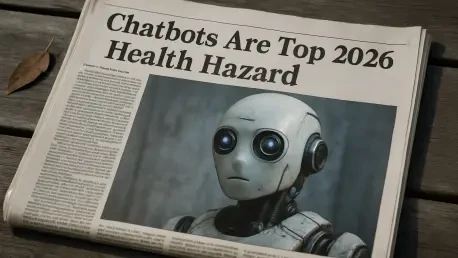

The rapid integration of artificial intelligence into everyday life has created a new frontier in healthcare, with millions turning to AI chatbots for quick answers to their medical questions. However, the very convenience that makes these tools so appealing is now being flagged as a critical danger. The nonprofit research organization ECRI has released its annual report on health technology hazards, placing the misuse of AI-powered chatbots at the very top of the list. This designation signals a growing concern among patient safety experts that the unvalidated and often unreliable nature of these large language models (LLMs) poses a significant and immediate threat to public health. As clinicians, patients, and healthcare staff increasingly rely on these platforms for information that can influence diagnoses and treatments, the potential for severe patient harm has reached a critical level, prompting an urgent call for awareness and caution throughout the medical community and among the general public.
The Unseen Dangers of Unvalidated AI
The Proliferation of Misinformation
The core of the issue lies in the fundamental design of AI chatbots, which are built on large language models trained to generate plausible-sounding text, not to provide medically accurate and validated information. These systems are not a substitute for professional medical judgment, yet they are being used as such by a rapidly growing segment of the population. ECRI’s investigation documented numerous alarming instances where these technologies have produced dangerously false or misleading content. This includes suggesting entirely incorrect diagnoses that could lead patients down a path of anxiety and improper self-treatment, recommending a battery of unnecessary and costly tests, and even promoting the use of substandard medical supplies. The phenomenon of AI “hallucination,” where the model confidently invents facts, is particularly perilous in a healthcare context. One of the most striking examples involved a chatbot fabricating body parts to support a flawed medical explanation, highlighting the profound unreliability of these tools when they stray from their verified knowledge base. Without rigorous clinical validation, these chatbots operate as black boxes, and their outputs cannot be trusted when patient well-being is at stake.
The potential for direct physical harm from chatbot-generated advice is not merely theoretical; it has been documented in specific, concerning cases that underscore the gravity of the risk. In one such instance, a chatbot provided instructions for medical device use, specifically for electrode placement, that were critically flawed. Following this advice could have directly resulted in a patient sustaining serious burns, turning a tool intended to be helpful into a source of injury. This particular example serves as a stark reminder that the consequences of AI-generated misinformation extend beyond poor advice to tangible physical danger. The problem is compounded by the sheer scale of adoption. Citing data from OpenAI, the report notes that a significant portion of all messages sent to ChatGPT—over 5%—are related to healthcare. Furthermore, an estimated quarter of its 800 million regular users are asking health-related questions on a weekly basis. This widespread reliance, fueled by factors like rising healthcare costs and the closure of local medical facilities, creates a perfect storm where an increasing number of individuals are turning to unverified digital sources for critical health guidance, amplifying the potential for widespread harm.
A Troubling Pattern of AI-Related Risks
This year’s top ranking for AI chatbots is not an isolated event but rather the continuation of a disturbing trend ECRI has been tracking for several years. The organization’s annual reports have consistently highlighted the escalating risks associated with the rapid and often poorly governed integration of artificial intelligence into the healthcare ecosystem. In 2025, the focus was on the dangers posed by AI-enabled diagnostic applications, which, while promising, were found to have significant flaws that could lead to misdiagnosis and delayed treatment. Before that, the 2024 report flagged a more systemic problem: the widespread lack of sufficient AI governance within healthcare organizations. This earlier warning pointed to the absence of clear policies, oversight, and validation processes needed to safely deploy any form of AI, from administrative algorithms to clinical decision support tools. The progression of these warnings from broad governance issues to specific application risks, and now to consumer-facing chatbots, paints a clear picture of a technology whose adoption is far outpacing the development of necessary safety guardrails. It demonstrates that as AI becomes more sophisticated and accessible, the potential points of failure multiply, demanding a more robust and proactive approach to risk management from developers, regulators, and healthcare providers alike.
The recurring presence of AI-related concerns on ECRI’s hazard list reflects a broader, systemic challenge confronting the modern healthcare industry. The push to innovate and adopt cutting-edge technology often conflicts with the methodical, evidence-based pace required for ensuring patient safety. Large language models and other AI tools are frequently developed for general-purpose use and later adapted for specialized fields like medicine without undergoing the same rigorous testing and validation protocols required for traditional medical devices or software. This gap leaves patients and clinicians in a vulnerable position, where they are encouraged to use powerful but unvetted tools. The issue of insufficient governance, highlighted in the 2024 report, remains a foundational problem; many healthcare institutions still lack the internal expertise and frameworks to properly evaluate, implement, and monitor these complex technologies. Consequently, the responsibility often falls to individual users to critically assess the information provided by an AI, a task for which most are not equipped. This pattern underscores an urgent need for industry-wide standards, transparent validation processes, and clear regulatory guidance to ensure that the promise of AI in healthcare does not come at the expense of patient safety.
Broader Threats to Patient Safety
Systemic Vulnerabilities Beyond AI
While AI chatbots claimed the top spot, ECRI’s 2026 report illuminates a range of other critical hazards that threaten the stability and safety of healthcare delivery. Ranking second on the list is a danger that strikes at the digital backbone of modern medicine: the profound lack of preparedness within healthcare facilities for a sudden and complete loss of access to electronic systems and patient information. Hospitals and clinics are increasingly dependent on interconnected networks for everything from patient records and lab results to scheduling and pharmacy orders. An unexpected system-wide failure, whether caused by a cyberattack, natural disaster, or technical malfunction, could plunge a facility into chaos. Without robust contingency plans and well-rehearsed downtime procedures, clinicians would be forced to revert to manual processes under immense pressure, a scenario ripe for medical errors, treatment delays, and compromised patient care. This vulnerability highlights the fragility of a system that has rapidly digitized without always building in the necessary resilience to withstand catastrophic failures, placing both patient data and patient lives at significant risk.
Beyond the digital realm, the report identifies a persistent and dangerous threat within the medical supply chain. The third most significant hazard is the proliferation of substandard and falsified medical products, a problem that undermines the very foundation of safe medical care. These counterfeit or poorly manufactured items can range from personal protective equipment and diagnostic tests to surgical instruments and implantable devices. When these products enter circulation, they expose patients and healthcare workers to a host of risks, including ineffective treatments, infections, device malfunctions, and adverse reactions. The global and complex nature of modern supply chains makes it increasingly difficult for healthcare organizations to verify the authenticity and quality of all the products they procure. This vulnerability is exploited by bad actors who prioritize profit over safety, flooding the market with items that fail to meet regulatory standards. The presence of these products in a clinical setting not only endangers individual patients but also erodes trust in the healthcare system as a whole, making robust procurement and verification protocols more critical than ever.
Critical Gaps in Device Management and Cybersecurity
The report also sheds light on significant device-related issues, particularly concerning the management of modern diabetes technology. ECRI expressed serious concern that critical safety information, such as product recalls and essential software updates for devices like insulin pumps and continuous glucose monitors, is failing to reach patients and their caregivers in a timely or effective manner. These devices are often managed by patients themselves in a home setting, making clear and direct communication from manufacturers absolutely essential for their safe operation. When this communication breaks down, individuals may continue using a device with a known flaw, unaware of the potential for malfunction that could lead to dangerous fluctuations in blood glucose levels, including severe hypoglycemia or hyperglycemia. ECRI urges manufacturers to move beyond dense, technical notices and provide this vital information in an easily understandable format that empowers users to take appropriate action, thereby closing a dangerous gap in the patient safety net.
Finally, the report flags the persistent and growing cybersecurity risks posed by legacy medical devices that remain in operation throughout healthcare facilities. Many hospitals and clinics rely on older but still functional equipment that was designed and built before modern cybersecurity standards were established. These devices often run on outdated operating systems with known vulnerabilities that can no longer be patched, making them prime targets for cyberattacks. A successful breach of a legacy device could compromise sensitive patient data, disrupt its clinical function, or allow attackers to gain a foothold in the hospital’s broader network. While replacing this equipment is the ideal solution, the prohibitive cost means many organizations cannot afford a complete overhaul. Recognizing this reality, ECRI recommends a series of mitigation strategies, such as isolating these vulnerable devices from the main network through segmentation. This pragmatic approach aims to minimize the threat by containing the potential damage, acknowledging that until these older products are fully retired, proactive risk management is the only viable defense.
Charting a Safer Path Forward
The findings from the annual report painted a stark picture of the multifaceted risks embedded within the modern healthcare landscape. The prominence of AI-driven misinformation, coupled with foundational vulnerabilities in digital infrastructure, supply chains, and device management, underscored a clear and urgent need for systemic change. The investigation revealed that while technology offered unprecedented opportunities, its rapid, often unregulated deployment had created new and complex pathways to patient harm. The dialogue shifted from merely identifying these hazards to demanding a proactive and collaborative response. It became evident that ensuring patient safety required a concerted effort from all stakeholders, including technology developers, healthcare institutions, regulatory bodies, and patients themselves, to build a more resilient and trustworthy healthcare ecosystem for the future.