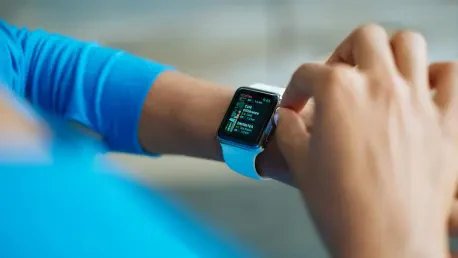

The sensation of a post-workout high, once a purely physical and emotional experience, is now frequently amplified and validated by the quantifiable data glowing on a wrist-worn device. This modern obsession with personal biometrics has transformed how we perceive our own health, creating a multi-billion dollar industry built on the promise that more data leads to a better life. From dedicated athletes optimizing performance to individuals simply counting their daily steps, the cultural fascination with tracking everything from sleep cycles to heart rate variability is undeniable. However, a deeper examination of this phenomenon, informed by a six-month deep dive with a WHOOP strap, raises a critical question: do these sophisticated gadgets genuinely enhance our well-being, or do they simply introduce a novel form of digital anxiety without catalyzing the meaningful behavioral changes they promise? The answer is far from simple, revealing a complex interplay between technology, human psychology, and the very definition of a healthy life.
The Promise of Quantified Self-Knowledge
The Allure of Validation and a Booming Market
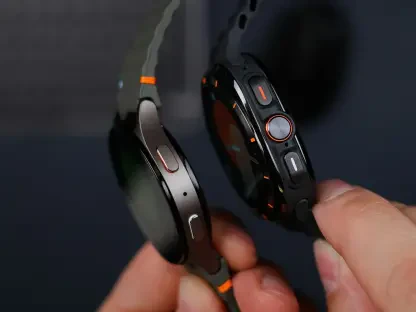
The profound psychological appeal of wearable technology is rooted in its ability to offer tangible, data-driven validation for our physical efforts and states. These devices transform the abstract feeling of a productive day or a restorative night’s sleep into concrete metrics, such as a new personal best on a run, a high recovery score, or a detailed breakdown of sleep stages. This satisfaction of seeing one’s efforts reflected in hard numbers is a powerful driver of the technology’s widespread adoption. The market has responded with a vast and varied array of products to meet this demand. Consumers can choose from the simple and accessible Fitbit Charge 6, designed for everyday activity tracking, to the powerful and discreet Oura Ring, which monitors over 50 different wellness metrics from the finger. Established brands like Garmin and Galaxy Watch continue to innovate, offering devices that cater to both serious athletes and casual users alike, solidifying the idea that data-driven self-knowledge is no longer a niche interest but a mainstream pursuit.
This booming market is not just a passing trend; it signifies a fundamental shift toward a more integrated and quantified approach to personal health. The consensus among technologists and consumers is that wearables are an enduring fixture of modern life, with their capabilities poised for significant evolution. The future promises even more seamless integration, with developments like temporary electronic tattoos capable of monitoring muscular exertion and hydration levels in real-time. This trajectory suggests a world where biometric tracking becomes an almost passive, background process. The appeal is clear: these devices position themselves as essential tools for anyone looking to understand their body better. This has created a self-perpetuating cycle where the desire for data fuels technological innovation, and in turn, new technological capabilities create an even greater appetite for personal metrics, ensuring the continued growth and entrenchment of the wearable ecosystem in daily life.
Information vs Motivation a Personal Case Study
A detailed personal case study, conducted over six months with a WHOOP strap, illuminates both the profound utility and the stark limitations of these devices. Despite the user not being a high-performance athlete, the wearable proved to be immensely interesting, offering granular insights into which daily activities were most taxing and how the body recovered from various stressors. The device operated as a multi-faceted health hub, seamlessly integrating the functions of a period tracker, a continuous heart rate and stress monitor, a personalized digital coach, and a pedometer. This constant stream of data created a feeling of being more “clued in” to the body’s intricate functions than ever before. It provided a novel lens through which to view everyday life, connecting actions like a late-night meal or a stressful meeting to tangible physiological outcomes, fostering a deeper sense of awareness about the cause-and-effect relationships governing personal well-being.
However, this heightened awareness formed the basis of a critical counterpoint to the technology’s purported benefits. The candid admission from this extended experiment was that while the wearable provided a wealth of insightful data, it did not fundamentally make the user more active or healthier. This reveals a crucial distinction between information awareness and genuine behavioral motivation. For example, knowing with certainty that consuming alcohol would result in a poor sleep score and a low recovery percentage did not consistently prevent the user from having a drink or from subsequently skipping a planned gym session. This experience highlights a core challenge for the wearable industry: data alone is often insufficient to override deeply ingrained habits, a lack of willpower, or simple lifestyle preferences. The device can tell you what to do, but it cannot provide the intrinsic motivation to actually do it, exposing a significant gap between the promise of a healthier life and the reality of human behavior.
The Psychological and Physical Stakes
A Double Edged Sword for Mental Health
The impact of constant self-monitoring on mental health is a complex and often contradictory issue. On one hand, for some individuals, wearable devices can serve as a valuable and effective tool for managing anxiety. In moments of high stress or panic, when subjective feelings of distress can be overwhelming, the objective data from a wearable can provide powerful reassurance. Seeing a heart rate that, despite the feeling of racing, is actually within a normal range can act as a grounding mechanism, offering concrete evidence that the body is coping better than the mind perceives. This form of biometric feedback can help de-escalate anxious thought patterns by separating emotional response from physiological reality. In this context, the wearable functions not as a source of stress but as a calming agent, providing a data-backed reality check that can be incredibly helpful for those who struggle with health-related anxiety, allowing them to regain a sense of control.
In stark contrast, for other individuals, being inundated with personal health statistics they may not fully understand can have a detrimental effect, significantly exacerbating anxiety. Clinical psychologist Lindsey Rosman issues a stark warning about this phenomenon, noting that it can trigger a compulsive cycle of checking and re-checking data points. This behavior can create a “self-fulfilling prophecy” where the anxiety about a potential health issue actually causes physiological changes that are then reflected in the data, further fueling the anxiety. This cycle can turn users into the “worried well”—people who are fundamentally healthy but become hyper-anxious about minor, normal fluctuations in their biometric data, such as a slight dip in sleep quality or a small increase in resting heart rate. For this segment of the population, the constant stream of information becomes a source of new fears rather than reassurance, transforming a tool designed for wellness into an engine for obsessive health concerns.
Beyond Fitness Wearables as Critical Health Monitors
While the day-to-day utility of wearables for lifestyle enhancement remains a subject of debate, their potential for critical, life-saving interventions is increasingly undeniable. It is in these high-stakes scenarios that the technology demonstrates its most compelling and profound worth. Powerful anecdotal evidence supports this claim, with numerous stories emerging of devices making a critical difference in medical emergencies. For instance, there are well-documented cases of an Apple Watch detecting an irregular heartbeat, prompting the user to seek medical attention that ultimately revealed a serious underlying condition. In another striking example, a different wearable alerted its user to the onset of atrial fibrillation in the middle of the night, an event that could have otherwise gone unnoticed with potentially severe consequences. These instances highlight a crucial capability that transcends fitness tracking and lifestyle optimization.
In these critical moments, the devices effectively transform from wellness accessories into crucial medical alert systems. This capacity fundamentally shifts the conversation from one of lifestyle enhancement to one of potential life preservation. The argument in favor of their value becomes much stronger when framed in this context. A device that can prompt immediate and necessary medical attention for a life-threatening condition provides a benefit that far outweighs any concerns about its effectiveness as a daily motivational tool or its potential to cause minor anxiety. This life-saving potential represents the most persuasive argument for the widespread adoption of wearable technology. It repositions them not merely as gadgets for the health-conscious but as potentially essential instruments for proactive health monitoring that can, in rare but critical circumstances, be the deciding factor in a positive health outcome.
An Evolving Digital Companion
The investigation into the dual nature of wearable technology concluded with a complex and nuanced understanding of its role in modern life. It became evident that these devices were not a fleeting trend but a permanent fixture, poised to become even more integrated into our daily existence as technology continued its rapid acceleration. The core finding was that their ultimate “worth” resisted a simple yes-or-no answer, proving to be deeply subjective and highly dependent on the user’s personality, goals, and psychological disposition. For some, the devices acted as empowering sources of self-knowledge and invaluable tools for managing anxiety, providing objective data that could anchor them during periods of mental distress. Simultaneously, they could be ineffective as motivational instruments, become significant sources of health-related anxiety, and foster an obsessive relationship with personal metrics for others. The most compelling argument for their value emerged from their undeniable potential as life-saving medical monitors, a function that transcended all other debates. The journey ultimately left a critical question unresolved: it was clear that future advancements would make these devices more powerful, but whether that power would translate into something genuinely more useful or simply more stressful remained a crucial and unanswered consideration for the future of personal technology.