
The silent pandemic of chronic diseases, responsible for a staggering 73% of all deaths worldwide, is placing an unprecedented strain on modern healthcare systems. In nations like India, where non-communicable diseases (NCDs) contribute to over 53% of all fatalities and 44% of disability-adjusted life years lost, the challenge is particularly acute. Traditional models of care, which rely on infrequent, episodic visits to a clinic or hospital, are proving fundamentally inadequate for managing the persistent and complex needs of individuals with long-term health conditions. This growing chasm between patient needs and system capabilities has created an urgent imperative for change, positioning digital health innovations not as a mere convenience but as a critical solution to redefine and revolutionize the delivery of long-term healthcare for millions.
The Core Technologies of Digital Chronic Care
Data, Monitoring, and Virtual Care
At the forefront of this evolution, Remote Patient Monitoring (RPM) is revolutionizing how health data is collected and utilized. By employing a network of wearables and connected medical devices, RPM facilitates the continuous, real-time tracking of vital signs such as blood pressure, glucose levels, heart rate, and oxygen saturation right from a patient’s home. This constant stream of objective data provides clinicians with an unprecedented view into a patient’s daily health status, allowing for the early detection of potential complications long before they become critical. This proactive capability enables timely interventions that can prevent acute events and hospitalizations. Complementing this is the expansion of Telemedicine and Virtual Treatment, which leverages digital consultation platforms to conduct routine follow-ups, adjust treatment plans, and provide ongoing medical advice. This technology is indispensable for ensuring continuity of care, especially for individuals in rural or remote areas who face significant barriers to accessing specialized medical services, thereby reducing the financial and logistical burden of frequent travel.
The immense volumes of data generated by remote monitoring and virtual consultations become truly powerful when processed by Artificial Intelligence (AI) and Data Analytics. These sophisticated systems serve as the intelligent engine of the new chronic care model, sifting through complex datasets to identify subtle patterns and trends that would be impossible for a human to detect. AI-powered algorithms can generate predictive insights, forecasting the likely progression of a disease and flagging high-risk individuals who may require more intensive management. This predictive capability provides invaluable support for clinical decision-making, helping physicians personalize treatment strategies and allocate resources more effectively. Furthermore, AI-enabled screening tools are significantly accelerating diagnostic processes, allowing for earlier and more accurate disease detection. By transforming raw data into actionable intelligence, AI is not only enhancing the efficiency of care but is also paving the way for a more personalized and preemptive approach to managing chronic conditions.
Empowerment, Integration, and Access
Beyond data collection and analysis, digital tools are empowering patients to take a more active role in their own health. Digital Therapeutics (DTx) represent a new class of medical interventions, delivering evidence-based therapeutic programs directly to patients through software. These applications can assist with crucial aspects of self-care, including managing complex medication schedules, adopting healthier lifestyle habits, and fostering positive behavior modification. For these tools to be truly effective, they must operate within a connected ecosystem, which is where Interoperable Health Information Systems become essential. Integrated electronic health records (EHRs) and other shared platforms ensure the seamless and secure exchange of patient information among different healthcare providers, from general practitioners to specialists and pharmacists. This free flow of data eliminates information silos, fostering coordinated and holistic treatment plans that provide a complete picture of a patient’s health journey, ultimately leading to safer and more effective care.
To ensure that these advanced digital solutions reach everyone, the physical footprint of healthcare is being expanded through Smart Devices and Assisted Care Kiosks. Innovations like Health ATMs are effectively bridging the last-mile healthcare gap, particularly in underserved and remote regions. These self-service kiosks allow individuals to perform a range of essential health assessments on their own, including measuring blood glucose, blood pressure, BMI, and even conducting an ECG. Many of these kiosks also feature integrated telemedicine capabilities, connecting users directly with a healthcare professional for an instant consultation. By placing diagnostic and consultation tools directly within communities, these devices democratize access to basic healthcare services. This approach not only enhances convenience but also promotes early detection and regular monitoring, addressing health issues before they escalate and ensuring that the benefits of digital health are accessible to even the most isolated populations, fostering a more equitable healthcare landscape.
Impact and Implementation
A Paradigm Shift: Benefits of the New Model
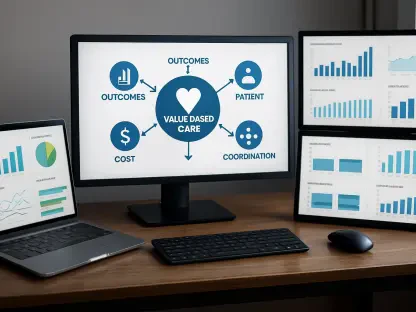
The convergence of these technologies is catalyzing a fundamental paradigm shift in healthcare, moving it from a reactive system to one that is predictive, personalized, and participatory. This new, technology-powered model for chronic care delivers significant and quantifiable benefits across clinical, economic, and systemic domains. On the clinical front, enhanced disease surveillance through continuous monitoring leads to the much earlier identification of complications, allowing for interventions that can prevent severe health episodes. More importantly, patients are transformed from passive recipients of care into active partners in their health management. Digital tools provide them with the information, support, and feedback needed to improve adherence to medication schedules and make sustainable lifestyle changes. This heightened engagement directly contributes to better long-term health outcomes, a reduction in symptoms, and a marked improvement in their overall quality of life, empowering them to live more fully despite their chronic conditions.
From an economic perspective, the proactive nature of digital chronic care yields substantial cost savings for both patients and the broader healthcare system. By preventing complications and managing conditions more effectively in the community, this model significantly reduces the frequency of costly emergency room visits and hospital admissions, which are major drivers of healthcare expenditure. Improved patient adherence to treatment plans also means fewer downstream costs associated with disease progression and the need for more intensive therapies. For individuals, this translates into lower out-of-pocket expenses and less time lost from work, easing the financial burden that so often accompanies a long-term illness. For the healthcare system, it means more efficient use of resources, allowing hospitals and clinics to focus on acute and complex cases. Ultimately, this focus on prevention and efficiency helps build a more financially sustainable healthcare infrastructure for the future.
Digital Health in Action: The Indian Landscape
The transformative potential of these digital innovations is being realized in the Indian healthcare landscape, where strategic initiatives are driving widespread adoption. Government-led programs such as the eSanjeevani telemedicine platform and the Ayushman Bharat Digital Mission (ABDM) are at the forefront of this change. eSanjeevani has already provided millions of virtual consultations, connecting patients in remote areas with doctors and specialists, thereby overcoming long-standing geographical barriers to care. Simultaneously, the ABDM is creating a national digital health ecosystem, establishing a framework for interoperable electronic health records that will allow patient data to be shared securely across different healthcare providers. These large-scale initiatives are instrumental in promoting the integration of digital tools into mainstream healthcare, with a particular focus on improving the management of chronic diseases for the nation’s vast rural population.
This top-down push is complemented by ground-up innovation and deployment. The strategic placement of Health ATMs in community centers and pharmacies is expanding access to essential diagnostics in areas that lack traditional healthcare facilities. Furthermore, homegrown companies are developing sophisticated digital health solutions tailored to local needs. For instance, NephroPlus, a leading dialysis care provider, has developed a cloud-enabled management platform that allows for the remote monitoring and management of dialysis patients, extending the reach of specialized nephrology care far beyond major urban centers. These examples are not isolated success stories; they represent a concerted and strategic effort to leverage technology to build a more resilient, accessible, and equitable healthcare system capable of tackling India’s growing burden of chronic disease.
Building a Future-Ready Healthcare System
The strategic integration of these technological advancements steered chronic care from a reactive, episodic framework toward a model of continuous, proactive management. It became clear that leveraging telemedicine, AI, RPM, and interoperable digital platforms was not merely an alternative but a fundamental necessity for creating sustainable and resilient healthcare systems. By embracing these tools, nations successfully built infrastructures equipped to handle the growing global challenge of chronic disease. This profound shift ushered in an era where healthcare became more accessible, efficient, and fundamentally centered around the patient’s long-term well-being and quality of life.