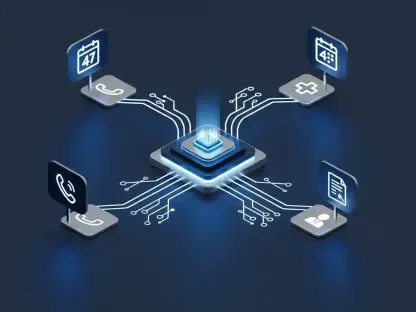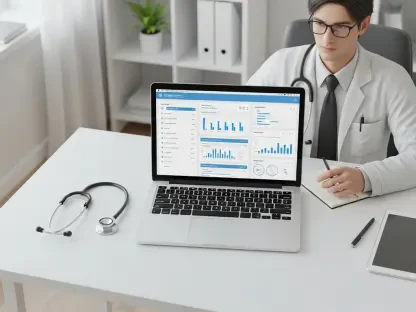

The fragmented nature of historical medical data has long been a hurdle for clinical efficiency, yet the integration of the Epic Electronic Patient Record system across Devon now marks a definitive end to that era of administrative friction. This unified digital platform represents a monumental shift in how healthcare is delivered across the region, replacing hundreds of disparate legacy systems that previously operated in isolation. By consolidating clinical and administrative functions into a single interface, the initiative ensures that medical professionals at Torbay and South Devon NHS Foundation Trust and the Royal Devon University Healthcare Trust can access essential information instantly. University Hospitals Plymouth NHS Trust is also slated for inclusion, creating a truly regional network of interoperable data. This technological overhaul is not merely a software update but a fundamental reimagining of the patient-provider relationship, prioritized to eliminate the gaps that occur when records are siloed.
Continuity: Streamlining the Patient Journey
The primary benefit for the local population lies in the seamless transition between different levels of care, ensuring that an individual’s medical narrative follows them wherever they go. Patients no longer face the repetitive task of explaining their medical histories, allergy lists, or medication schedules to different specialists, as the unified record provides a comprehensive view of their status in real time. This accessibility extends beyond the hospital walls, allowing community nurses and clinicians to review critical data during home visits or at local clinics. Such a high degree of transparency reduces the risk of diagnostic errors and prevents the duplication of expensive or invasive tests that often occur when previous results are inaccessible. The system also supports clinicians in making faster, more informed decisions during emergencies, where every second saved in retrieving a patient’s background can lead to significantly better survival rates and long-term recovery outcomes for residents.
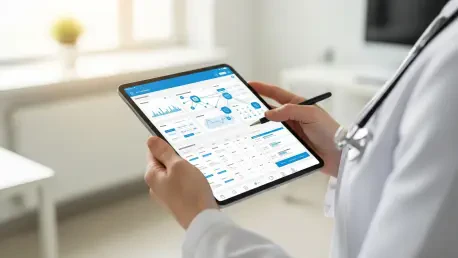
Building on this professional infrastructure, the rollout introduces the MY CARE patient portal, which serves as a secure gateway for individuals to manage their own health interactions. This mobile-friendly application allows users to view upcoming appointments, receive test results, and read summaries of their consultations directly on their smartphones or personal computers. By decentralizing health information in this manner, the system encourages a more collaborative approach to wellness, where patients are active participants rather than passive recipients of care. The portal also simplifies the administrative process for the public, offering a centralized location for communication that replaces the need for traditional paper-based notifications or numerous phone calls. As more people engage with these digital tools, the overall efficiency of the health system increases, allowing the workforce to focus their attention on complex clinical needs rather than basic information management.
Clinical Excellence: Data-Driven Modernization
The transition teams successfully managed the migration of essential historical data from older environments to the new platform, ensuring that critical medical context remained intact during the switch. This meticulous approach prevented the loss of vital information while providing the necessary digital tools to reduce the administrative burden on frontline staff. Regional leaders prioritized training and support to facilitate a smooth adoption process, emphasizing that the modern system was built to serve the clinical workforce as much as the patients themselves. Looking ahead, the focus shifted toward optimizing these digital pathways to further enhance diagnostic accuracy and promote long-term fiscal sustainability within the local health economy. Stakeholders identified future opportunities to integrate emerging diagnostic technologies directly into the record system, setting a precedent for continuous technological evolution. These efforts established a more transparent, integrated, and efficient healthcare model that transformed the standard of care.
Standardizing how data is captured across the entire county allowed health leaders to identify regional trends, such as emerging public health concerns or specific areas where resource allocation needed adjustment. This bird’s-eye view of the healthcare landscape enabled the NHS to move toward a more proactive model of delivery, anticipating needs rather than simply reacting to them. Furthermore, the high-quality, structured data generated by the Epic platform offered a goldmine for medical researchers looking to develop new treatments or improve existing protocols. By participating in this unified system, Devon positioned itself at the forefront of medical innovation, attracting top-tier talent and fostering an environment where evidence-based practice was the standard for every interaction. Clinical leaders utilized the system’s analytical capabilities to refine patient safety measures, ensuring that every piece of information contributed to a safer environment. The successful implementation finalized a foundation for ongoing digital maturity and regional collaboration.