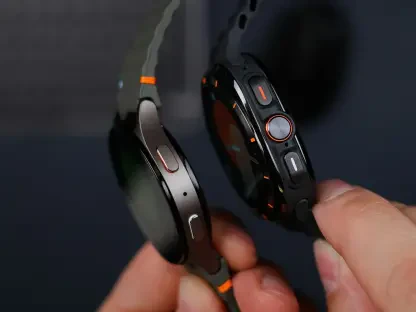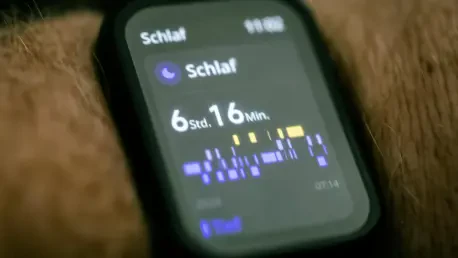

The persistent stream of personal health data that once trickled from our wrists has swelled into a sophisticated symphony of actionable intelligence, a clear theme that resonated through the halls of the Consumer Electronics Show this year. The event marked a significant maturation point for the wearable technology sector, moving beyond the simple quantification of daily activities and into an era of profound, long-term health management. While some industry giants remained on the sidelines, a new wave of innovators stepped forward to showcase a future where health monitoring is more integrated, intuitive, and insightful than ever before. This evolution was not defined by a single revolutionary product but by a collective pivot toward devices that blend seamlessly into our lives, communicate more naturally, and leverage the power of artificial intelligence to transform passive data points into personalized coaching and proactive wellness strategies. The consensus was clear: the next generation of wearables will be less about the gadget itself and more about the intelligent, ambient health ecosystem it enables.
A Deeper Look into Personal Wellness
The industry’s narrative has decisively shifted from celebrating daily step counts to providing deep, longitudinal insights into a user’s overall health trajectory. This focus on longevity and proactive management was epitomized by Withings and its new flagship smart scale, the Body Scan 2. Rather than just measuring weight, the device performs a comprehensive 90-second scan that tracks over 60 distinct metrics, offering users a detailed snapshot of their cardiovascular and metabolic well-being. Advanced indicators such as heart age, an assessment of cardiovascular health relative to chronological age, and arterial stiffness, a measure of vascular health, provide a much richer picture than traditional wearables. Furthermore, by tracking visceral fat levels and nerve activity, the scale delivers clinical-grade information directly to the consumer, empowering them to understand and address underlying health risks long before they become critical issues. This move toward diagnostic-level data for general wellness represents a fundamental change in how personal technology can influence long-term health outcomes.
Building on this foundation of comprehensive data, the key to unlocking its true value lies in integration and contextualization. Withings exemplified this trend through its strategic partnership with Abbott, allowing the Lingo continuous glucose monitor (CGM) to sync natively with the Withings Health Mate application. This integration is a game-changer for personal health management, as it enables users to see a direct correlation between their real-time glucose trends and other vital data points like activity levels, sleep quality, and weight fluctuations. No longer are these metrics viewed in isolation; users can now easily identify how a late-night snack affects their sleep and morning glucose, or how a specific workout impacts their metabolic state. By placing these interconnected data streams within a single, unified platform, the technology simplifies the process of discovering lifestyle patterns and making informed behavioral adjustments. This approach transforms a collection of raw numbers into a powerful, personalized narrative that guides users toward sustainable improvements in their health.
Technology That Blends into Life
A significant evolution in wearable design showcased a clear departure from the one-size-fits-all, wrist-worn device. The industry is actively exploring a variety of form factors that allow health tracking to become a more integrated and less obtrusive part of daily life. Zepp Health was at the forefront of this movement with two distinct concepts that break free from traditional paradigms. The Amazfit Helio Glasses cater to athletes by providing a heads-up display that projects critical data like pace, heart rate, and navigation prompts directly into their field of view. This “glanceable data” allows a runner or cyclist to maintain focus and form without breaking stride to check a watch. In a different vein, the company’s V1tal wearable camera offers a novel solution for automated food tracking. By using artificial intelligence to analyze photos of meals and estimate macronutrient content, it seamlessly integrates nutritional logging into the user’s routine, complementing the company’s existing focus on metabolic health within its application ecosystem.
In a parallel development, companies are reimagining how users interact with their devices, moving toward more natural and intuitive interfaces that reduce cognitive load. The RingConn Gen 3 smart ring transformed from a passive data collector into an interactive tool by incorporating haptic feedback. This feature allows for discreet, vibration-based alerts for everything from high heart rate warnings to bedtime reminders, providing timely information without the need for a screen. Championing an even more seamless approach, the screen-free Luna Band operates entirely through voice commands and audio feedback. Users can verbally log their mood, ask for personalized sleep advice, or receive reminders, with all data processed locally on the device. Similarly, Mobvoi’s TicNote Watch, built on Wear OS, prioritizes speech for capturing and organizing information. It is designed to transcribe voice notes and log contextual thoughts, positioning itself as a productivity and journaling tool that also tracks health, rather than a conventional fitness tracker that demands constant visual attention.
The Rise of Ambient and AI-Driven Insights
Perhaps the most forward-looking trend was the emergence of ambient, contactless health monitoring, which hints at a future where tracking is a background process rather than a conscious act. Nuralogix’s Longevity Mirror stood out as a prime example of this concept. This wall-mounted smart display uses advanced AI to analyze subtle changes in facial blood flow from a distance, estimating a user’s biological age and assessing their cardiovascular and metabolic risk in just 30 seconds, all without any physical contact. The launch of such a device was made possible by new guidance from the U.S. FDA, which has clarified that general wellness products avoiding specific diagnostic claims can bypass more stringent medical device regulations. This evolving regulatory landscape is fostering a new wave of innovation in “ambient tracking,” where health monitoring is seamlessly embedded into everyday objects like mirrors, car seats, and smart displays, capturing vital data in the background and delivering insights only when they are needed or relevant.
Underpinning nearly every major innovation at the event was the pervasive integration of artificial intelligence, which is rapidly transforming wearables from simple data loggers into sophisticated, personalized health coaches. AI was the technological backbone enabling devices to interpret complex sensor data and provide guidance that goes far beyond raw numbers. Motorola made a strategic return to the smartwatch market with the Moto Watch, a device focused on democratizing high-level sports science. Its core strength lies in the integration of proven Polar algorithms, which use AI to offer advanced metrics such as cardio load, training benefit, and VO2 Max. This allows mainstream users to access the kind of recovery and performance analysis previously reserved for elite athletes. This trend was universal, from Zepp Health’s AI automatically analyzing meal content to Nuralogix’s platform assessing over 80 biomarkers from a facial scan, demonstrating that the future of wearables is inextricably linked to the power of AI to deliver actionable, individualized health intelligence.
A New Era of Embedded Intelligence
The wearable technology showcased at CES 2026 had clearly transitioned from a focus on feature accumulation to a more mature pursuit of practical, embedded health solutions. The industry’s central narrative had pivoted from simply tracking more data to making that data more meaningful and effortless to act upon. Innovations centered on empowering users with tools for genuine, long-term health management, facilitated through more natural interfaces, a diversification of form factors beyond the wrist, and the profound analytical power of artificial intelligence. The next wave of personal health technology, as demonstrated at the event, was poised to become a less conspicuous but far more impactful part of daily life. These devices and platforms were designed not just to present information but to facilitate sustainable behavior change, marking a definitive shift toward a future where technology serves as an invisible yet indispensable partner in personal wellness.