
The journey for many young immigrants is fraught with invisible burdens, as the intense stress of migration, the pain of family separation, and the daily grind of socioeconomic instability can inflict deep psychological wounds. For countless Spanish-speaking children arriving in states like California, these challenges are compounded by significant barriers to mental health care, including language differences, cultural stigmas, and financial constraints. This silent crisis often leaves children aged 7 to 18 struggling with fear, anxiety, and trauma without access to the professional support they desperately need. As a result, a critical gap has emerged in pediatric mental health services, demanding an innovative and accessible solution that can meet these children where they are, offering a pathway to healing that understands their unique experiences and speaks their language, both literally and culturally. The urgency to address this gap is not just a matter of public health but a moral imperative to support the well-being of a vulnerable and often overlooked population.
Bridging the Gap with Innovative Solutions
In response to this pressing need, the Foundation for the Children of the Californias (FCC) has launched “Puentes de Bienestar,” a pioneering initiative designed to dismantle the barriers preventing access to mental health support. This program provides completely free telehealth psychological services to Spanish-speaking children, leveraging a binational collaborative model to deliver expert care directly into their homes. Led by the Child Psychology and Psychopedagogy Center of the Hospital Infantil de las Californias (CIAPPI), the initiative is built on a foundation of accessibility and bilingual care, ensuring that language is a bridge, not a barrier, to healing. By offering services remotely, the program effectively overcomes geographical and transportation challenges that frequently hinder families from seeking help. This model represents a significant step forward in creating an equitable mental health landscape where timely, culturally competent support is not a privilege but a fundamental right for every child navigating the complexities of the immigrant experience.
The therapeutic framework of Puentes de Bienestar is meticulously structured to provide comprehensive and personalized care tailored to the specific needs of each child. The process begins with a thorough psychological evaluation to identify the root causes of distress, focusing on trauma, anxiety, and depression linked to migration and acculturation. Based on this assessment, a personalized treatment plan is developed, culminating in a series of 10 weekly telehealth sessions with a dedicated psychologist. A core tenet of the program is its holistic approach, which extends beyond the individual child to include integral support for the entire family unit. Through dedicated family guidance and caregiver support sessions, the program empowers parents and guardians with the tools and understanding necessary to foster a supportive home environment, recognizing that a child’s healing is deeply intertwined with the well-being of their family. This comprehensive, family-centric model ensures that the benefits of therapy are reinforced and sustained long after the formal sessions conclude.
The Role of Technology and Community
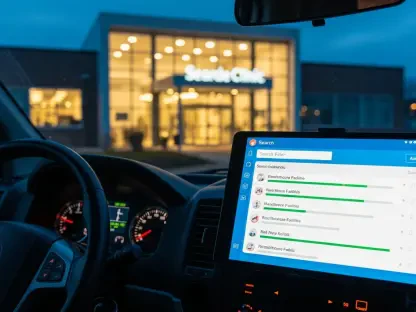
A pivotal element of the program’s innovative approach is the thoughtful integration of technology to provide continuous and immediate support. Participants are given access to a specialized mental health application that utilizes artificial intelligence to supplement their weekly therapy sessions. This digital tool serves as a constant companion, offering evidence-based exercises and coping mechanisms designed to help children manage symptoms of anxiety and depression in real time. The app empowers users to actively participate in their own healing journey, providing a private and accessible space to practice skills learned in therapy. Crucially, the application is also equipped with a crisis button, a feature that offers an immediate lifeline in moments of acute distress. With a single tap, a child can connect directly to the San Diego Access and Crisis Line, ensuring that professional help is available 24/7. This seamless blend of human-led therapy and AI-driven support creates a robust safety net, addressing the dynamic and often unpredictable nature of mental health challenges.
The success and reach of the Puentes de Bienestar initiative were fundamentally anchored in a network of strategic community partnerships. To identify and connect with children in need, the FCC forged vital collaborations with a diverse array of community organizations, local schools, and the Consulate General of Mexico in San Diego. These partners served as trusted intermediaries, helping to build awareness and reduce the stigma associated with seeking mental health services within the community. The entire enrollment process was designed with strict confidentiality to protect the privacy and foster the trust of participating families, who could register easily through the FCC’s website or a dedicated phone line. This community-centric outreach model, combined with a technologically advanced and culturally sensitive therapeutic approach, demonstrated a powerful and replicable framework for addressing complex public health issues. It underscored the profound impact that can be achieved when innovative technology and grassroots collaboration unite to serve a community’s most vulnerable members.