
A Single Project Ignites a National Ambition
India, often hailed as the “pharmacy of the world,” is now setting its sights on a new frontier: becoming a global powerhouse in medical technology. At the heart of this ambition lies a groundbreaking initiative in Uttar Pradesh (UP)—the plan to establish the nation’s first-ever US Food and Drug Administration (FDA)-accredited medical device testing laboratory. This single project is being positioned not just as an upgrade to local infrastructure, but as a strategic catalyst designed to unlock India’s vast potential in the MedTech sector. This article explores whether this one specialized lab can truly serve as the cornerstone for transforming India into a globally competitive MedTech hub, analyzing the deep-seated challenges it aims to solve and the far-reaching opportunities it promises to create.
The Persistent Hurdle in India’s MedTech Journey
For decades, India’s medical device industry has operated in the shadow of its pharmaceutical counterpart. While a proficient manufacturer, the sector has been hampered by a significant dependency on imports for high-end devices and a persistent struggle for domestic companies to penetrate heavily regulated international markets. A primary obstacle has been the complex and costly process of securing certifications from bodies like the US FDA, a non-negotiable prerequisite for entering the lucrative American market. Indian companies, particularly small and medium-sized enterprises, have been forced to rely on expensive and time-consuming testing services from overseas labs. This systemic bottleneck has not only inflated costs and extended development timelines but has also blunted the competitive edge of Indian innovators on the global stage.
Deconstructing the Game-Changing Initiative
The ASCA Lab a Blueprint for Self-Reliance
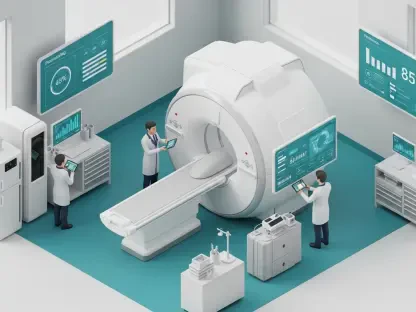
The core of Uttar Pradesh’s strategy is the creation of an “Accreditation Scheme for Conformity Assessment (ASCA) lab.” This is not just any testing facility; it is a high-tech center designed to provide end-to-end validation and certification that aligns with the stringent standards of the US FDA. Planned for the new medical devices park under the Yamuna Expressway Industrial Development Authority (YEIDA), the project will be executed via a Public-Private Partnership (PPP) model, combining government oversight with private sector efficiency. By offering a one-stop solution for regulatory compliance on home soil, the lab directly tackles the industry’s most significant barrier to export, promising to democratize access to global markets.
Addressing a Glaring Gap in the Global Arena
The strategic importance of this lab becomes clear when viewed through a global lens. Of the approximately 160 ASCA-accredited labs worldwide, the vast majority are located in the United States and Canada. Meanwhile, Asia’s economic powerhouses, China and Japan, already host 17 and 7 such facilities, respectively, giving their manufacturers a distinct advantage. India, in stark contrast, currently has none. This “critical gap” has left the nation’s MedTech industry at a significant competitive disadvantage. Establishing this facility in UP is therefore a move to level the playing field, enabling Indian companies to compete on timeliness and cost-effectiveness, two factors crucial for capturing a larger share of the global medical device market.
The Ripple Effect Beyond National Borders
The projected benefits of this laboratory extend far beyond simply serving domestic needs. Experts anticipate a powerful “ripple effect” across the entire manufacturing ecosystem. For local Micro, Small, and Medium Enterprises (MSMEs), it will drastically lower the financial and logistical burden of compliance, fostering a new wave of innovation. Furthermore, the vision is explicitly international. As YEIDA CEO R.K. Singh noted, the facility is expected to attract clients from neighboring South and Southeast Asian countries, positioning Uttar Pradesh as a regional center of excellence for MedTech certification. This ambition aims to attract foreign investment, stimulate technological exchange, and deeply integrate India into the global medical device supply chain, ultimately elevating the “Made in India” brand.
Envisioning a New MedTech Ecosystem
The establishment of the ASCA lab is poised to be more than just an infrastructure project; it is the seed for a new, self-sustaining ecosystem. With a world-class certification hub at its core, the medical devices park in UP could attract a cluster of ancillary industries, including R&D centers, specialized component manufacturers, and skilled technical talent. This concentration of expertise and resources would likely spur greater innovation and collaboration, pushing the industry up the value chain from producing basic consumables to developing sophisticated, high-tech medical equipment. In the long run, this could fundamentally shift India’s role from a follower to a leader in MedTech innovation.
Strategic Imperatives for Maximizing Impact
To translate this vision into reality, several key takeaways and actions are essential. The success of this single lab hinges on its ability to catalyze broader industry growth.
- For Policymakers: The immediate priority is the swift and transparent execution of the PPP tender and construction. Beyond that, creating a supportive regulatory environment with incentives for R&D and skill development will be crucial to building a robust ecosystem around the facility.
- For Manufacturers: Companies should proactively align their product development pipelines and quality management systems with international standards now. Viewing the lab not just as a compliance tool but as a strategic asset will enable them to accelerate their entry into global markets once it is operational.
- For Investors: This initiative signals a clear and growing opportunity in India’s MedTech sector. Investing in MSMEs with strong innovation potential and in ancillary services supporting the new medical devices park could yield significant long-term returns.
A Cornerstone for a Global Future
Returning to the central question, can one lab make India a global MedTech hub? On its own, no single facility can accomplish such a monumental task. However, this is no ordinary lab. By directly addressing the most critical bottleneck that has stifled India’s export potential for decades, the ASCA-accredited laboratory in Uttar Pradesh serves as a powerful and indispensable cornerstone. It is a strategic enabler that can unlock the immense capabilities of an entire industry. If supported by continued policy focus and private-sector innovation, this one lab will not just build a foundation but will become the catalyst that propels India onto the world stage as a formidable force in medical technology.