
Lead that pulls the reader in
What if the most powerful health inheritance in a family is not a gene variant but a set of stories, rituals, and routines that prime the next generation to live longer? That question sat at the center of a new five-year initiative introduced at the American Public Health Association conference, where BlackDoctor.org outlined a plan to pair cultural wisdom with clinical guidance.
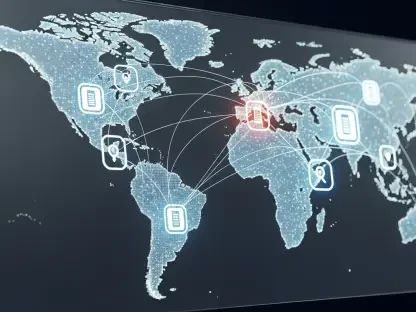
The scale behind that idea is notable. BlackDoctor.org reaches a total audience of 20 million and hosts about 6 million monthly visitors, giving the platform unusual leverage to turn plainspoken health content into community action. When a single message can move from a screen to a barbershop, church group, or campus health fair within days, behavior change stops being theoretical and starts being trackable.
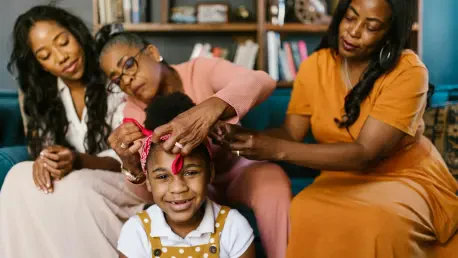
A familiar crossroads shaped the tone: grandmother’s remedies meeting the clinic’s orders, not as rivals but as complements. In this framing, family narrative becomes an asset, not an obstacle, and wellness becomes an expectation that households can rehearse, repeat, and refine.
Why this story mattered now
The program, called Generational Health, positioned longevity as something families teach and practice, not just something measured in lab values. It set a national frame: a five-year effort to braid culture with science, using first-person storytelling and community-informed tools to shift prevention, treatment, and adherence. The premise was simple: health knowledge, passed down with care and consistency, could change trajectories.
The urgency was hard to ignore. Black communities shoulder disproportionate burdens from chronic disease while facing persistent mistrust and stark underrepresentation across the health workforce. That combination can dull the impact of evidence-based care; when guidance feels remote, patients wait, disengage, or never start.
Momentum, however, has moved equity from the sidelines to the center. Health systems and industry partners increasingly recognize the demand for culturally grounded care and for community co-creation, not just outreach. With two decades of trusted content and a digital-to-community model, BlackDoctor.org offered a platform that could convert attention into activation.
The story behind the movement
Generational Health reframed wellness through culture, defining health as shared heritage: beliefs, traditions, and rituals that shape daily choices. By shifting tone from deficit toward possibility, it promoted messages that felt affirming and practical—how to talk about family blood pressure history at Sunday dinner, how to turn a loved one’s diagnosis into a prevention checklist for siblings and cousins.
That reframing came with a clear focus on conditions that show disproportionate impact. The program linked biomedical drivers to lifestyle patterns passed down through families, addressing prevention and management on a continuum—from early detection to co-morbidity navigation to everyday self-care cues that resonate. A typical activation paired a pop-up screening at a campus or festival with coaching that used familiar touchpoints, such as meal traditions or church schedules, to anchor follow-through.
Workforce strategy formed the structural backbone. The Black population grew about 33% since 2000 and today comprises roughly 14.4% of the country, yet representation among clinicians lags. Partnerships with Black medical schools, minority-serving institutions, and high schools aimed to widen the pipeline, adding mentorship and coaching across medicine, nursing, behavioral health, and allied health. The outcome pathway was direct: representation improves trust and communication, which can translate into better experiences and, potentially, outcomes.
Trust-building sat alongside the pipeline. The initiative positioned the platform as a translator—producing plainspoken content, fostering two-way dialogue, and maintaining a steady presence in community spaces. Design principles emphasized respect for community knowledge, co-creation of messages, and attention to local priorities. Feedback loops were not cosmetic; they reshaped articles, videos, and partner practices when something did not land or when a new concern surfaced.
Cross-sector collaboration tied the work together. Regular convenings and summits brought in leaders from public health, health systems, academia, and the pharmaceutical industry to align incentives. Inclusive research and care delivery—culturally adapted materials, trial awareness, and patient-centered protocols—moved from talking points to practice. A daylong APHA panel served as a blueprint for multi-stakeholder campaigns that extend from bench to bedside to block.
Voices, evidence, and field texture
Onstage at APHA, Mathew Knowles, Ph.D., spoke as a survivor about the force of narrative: “A story can put a loved one into the room when a decision gets hard—and make the next choice the right one.” His point echoed the program’s design: stories are not decoration; they are instruction manuals people remember.
Pharmaceutical leaders added perspective on alignment. Executives from Moderna, Bristol Myers Squibb, and Pfizer described equity-informed strategies that center patient advocacy, trial access, and culturally adapted education. Their message was pragmatic: science gains power when communities can see themselves in the guidance, trust the messenger, and ask questions without fear.
Evidence supported the approach. Studies have shown that when patients share racial or cultural backgrounds with clinicians, communication quality and trust improve, which can influence adherence and satisfaction. Culturally tailored interventions for chronic disease—such as hypertension, diabetes, or cancer screening—have increased engagement and follow-through compared with generic materials. Trust and transparency, measured through consistent presence and clear language, have predicted uptake for vaccines, screenings, and research participation.
Field anecdotes grounded the data. A student mentee who joined a high school health careers program described how early exposure led to allied health training and a paid practicum, shifting a career from aspiration to plan. One family turned a relative’s cancer journey into a monthly prevention ritual: calendar reminders for screenings, recipes adjusted for sodium and fiber, and a group text that nudged appointments across cousins in three states.
What to do next and how progress could be measured
A working framework emerged: Culture + Science + Workforce + Trust + Collaboration. Culture centered community narratives and lived experience. Science paired evidence-based guidance with step-by-step “how to” instruction. Workforce strategy built pipelines in partnership with institutions, not in isolation. Trust came from consistent, respectful, plainspoken engagement. Collaboration convened cross-sector actors to close gaps that separate innovation from everyday life.
Clear action guides followed. Patients and families could adopt shared rituals—a quarterly blood pressure check, a family health history night, or a cooking swap—supported by plain-language checklists. Students and trainees could tap mentorship networks, pursue bridge programs, and align coursework with clinical exposure to reduce attrition. Health systems and industry could co-create content, invest in pipeline programs, and embed cultural competence into care pathways and research. Public health teams could blend digital amplification with grassroots outreach and measure behavior change, not just impressions or clicks.
Implementation tools made the model workable. Content used a “how to do it—you can do it” voice and spotlighted first-person stories in multimedia series. A digital-to-ground loop published guidance online, activated it locally, collected feedback, and refined the message. Pharma-supported convenings hosted panels, office hours, and campaigns that prioritized patient perspectives, threading accountability through every phase.
Metrics anchored the five-year horizon. Health outcomes—screening rates, medication adherence, and disease control indicators—offered a direct read on progress. Trust and engagement—participation, sentiment, and repeat attendance—showed whether messages resonated. Workforce milestones—enrollment, retention, and placement across health professions—tracked pipeline strength. Collaboration outputs—co-created resources, pilot programs, and sites scaling culturally grounded care—signaled whether the coalition mechanism worked.
What the journey signaled
By the close of the launch phase, the initiative had set a practical course that extended beyond messaging and into systems change. The coalition model, built on community voice and clinical rigor, pointed toward measurable shifts in prevention, adherence, and chronic disease control. Partners had committed to scholarships, trial awareness initiatives, and recurring community clinics, indicating that coordination had moved from talk to execution.
Families were expected to adapt the approach in personal ways: shared calendars for screenings, storytelling rituals that preserved lessons, and neighborhood meetups that made health maintenance a social norm. Students and trainees had found new on-ramps through mentorship cohorts and bridge programs that reduced friction between classrooms and clinical sites. Health systems had piloted culturally adapted pathways and measured whether trust indicators and outcomes aligned.
The next phase depended on consistency. Content needed steady cadence, convenings required transparent goals, and feedback loops had to stay open when plans met real-world constraints. The platform’s reach had remained an advantage, but endurance—showing up on the block after the panel lights dimmed—had been the factor most likely to sustain gains.
In short, the effort had offered a credible path: treat culture as an engine, not a backdrop; translate science into daily practice; expand the workforce that communities recognize; and align institutions around accountability. If those parts kept moving in sync, the inheritance of health had been ready to shift from fragile promise to resilient practice.