
The systemic inefficiency inherent in conventional “one-size-fits-all” oncology protocols often results in treatment delays and suboptimal patient outcomes that modern healthcare infrastructures can no longer afford to sustain. As global cancer cases rise and the specialized workforce faces unprecedented shortages, the clinical and economic necessity for precision automation becomes undeniable. Historically, oncology has relied on standardized dosing based on body surface area or toxic thresholds, yet these methods fail to account for the intricate biological variability of individual patients. Decision-makers in the healthcare sector are now evaluating artificial intelligence not as a experimental luxury, but as a critical infrastructure layer capable of optimizing complex therapeutic workflows. By integrating machine learning into radiation planning and pharmacological dosing, health systems can transition from reactive crisis management to proactive, individualized care models. This shift promises to alleviate the operational burden on clinicians while simultaneously enhancing the precision of life-saving interventions.
Introduction
The transition toward intelligent automation in oncology is driven by the widening gap between the increasing complexity of modern cancer therapies and the limited capacity of the clinical workforce. Radiotherapy and systemic treatments have evolved significantly, offering higher precision through techniques like Intensity-Modulated Radiation Therapy and targeted biologics, yet the manual preparation for these treatments remains a bottleneck. For instance, the preparation for personalized irradiation involves a multi-step process of scanning, contouring, and dose planning that can take up to three weeks in resource-constrained environments. This delay is not merely an administrative inconvenience; it is a primary driver of patient distress and can potentially impact clinical progression. Artificial intelligence offers a scalable solution by automating the labor-intensive aspects of dose calculation and organ outlining, thereby shortening the interval between diagnosis and the first treatment session. By leveraging historical datasets, AI-driven platforms provide a level of consistency that manual processes struggle to achieve consistently.
The Strategic Shift: From Toxicity to Optimal Efficacy
The foundational philosophy of cancer treatment is undergoing a radical transformation as the industry moves away from the traditional antimicrobial model of maximizing the kill rate. For decades, the primary goal of chemotherapy was to establish the Maximum Tolerated Dose, essentially pushing the human body to its physiological limit to destroy as many malignant cells as possible. However, the emergence of molecularly targeted therapies and immunotherapies has rendered this old paradigm largely obsolete, as these agents often reach a plateau of efficacy long before reaching toxic levels. Continuing to dose at the maximum threshold increases the risk of adverse events without providing additional therapeutic benefit, leading to poor quality of life and treatment discontinuation. Regulatory bodies are now signaling a clear expectation for dose optimization earlier in the drug development lifecycle. This shift requires pharmaceutical leaders to adopt computational tools that can predict the optimal dose for diverse populations, ensuring that efficacy is balanced with long-term safety and patient adherence.
Operational Gains: Automating Radiation Therapy Workflows
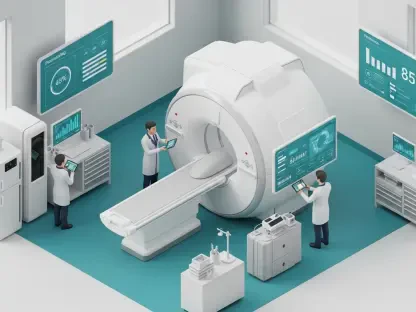
Integrating artificial intelligence into radiation oncology departments provides immediate operational relief by reducing the time required for treatment planning from days to minutes. Recent clinical validations have shown that AI models can predict spatial distribution maps for radiation doses with remarkable accuracy, rivaling the outputs of experienced medical physicists. In complex cases such as head and neck cancers, where proximity to critical organs at risk makes manual planning notoriously difficult, AI algorithms can generate high-quality plans almost instantaneously. This speed allows for real-time adjustments and immediate pre-planning decision-making, which fundamentally changes the patient experience during the simulation phase. Furthermore, the standardization provided by these tools ensures that every patient receives a plan based on the highest-quality historical data, regardless of the individual planner’s experience level. By automating these repetitive, high-stakes calculations, healthcare facilities can increase their patient throughput and address the growing global access gap in radiotherapy services.
Precision Dosing: Navigating Individual Pharmacokinetic Variability
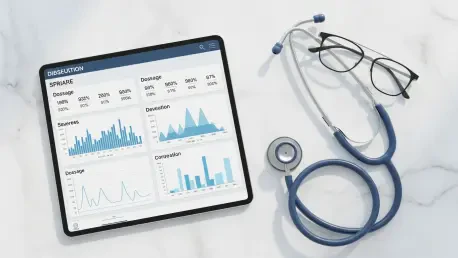
The “one-size-fits-all” approach to drug dosing is increasingly viewed as a financial and clinical risk for health systems and pharmaceutical companies alike. Every patient possesses a unique physiological profile—influenced by age, genetics, organ function, and concurrent medications—that dictates how they metabolize and respond to oncology drugs. Artificial intelligence agents are now being deployed to synchronize laboratory results, clinical guidelines, and real-time patient data within a unified pharmacy layer to enable precision dosing. These enterprise-grade platforms allow clinicians to practice at the top of their scope by providing actionable insights into how a specific individual will react to a therapeutic regimen. By embedding these capabilities directly into Electronic Health Records, hospitals can reduce manual burdens in therapeutic drug monitoring and improve transitions of care. This approach not only enhances patient safety by preventing toxicities but also optimizes the use of expensive specialty medications, ensuring that resources are utilized where they are most effective.
Data-Driven Innovation: Small Data and Digital Avatars
A significant breakthrough in the personalization of oncology is the shift from relying solely on massive “big data” sets to utilizing “small data” derived from the individual patient. Advanced platforms now create personalized digital avatars that prospectively calibrate dosages based on an individual’s unique response markers, such as tumor shrinkage or liquid biopsy results. This method allows for intra-patient dose escalation or reduction, providing a safe path for administering complex drug combinations that may not have undergone extensive formal testing. Clinical trials have already demonstrated that AI-guided dosing can lead to significant reductions in drug volume without sacrificing efficacy, directly improving the patient’s quality of life. For B2B stakeholders, this technology represents a move toward high-value, outcomes-based medicine where the data loop is continuously closed. These individual-centric models are particularly valuable in the development of orphan drugs and therapies for rare cancers where large-scale clinical trial populations are simply not available for traditional statistical analysis.
Overcoming Implementation Barriers: A Roadmap for Health Leaders
While the clinical benefits of AI in oncology are well-documented, the successful integration of these tools requires a strategic focus on infrastructure and change management. Healthcare executives must address the technical challenges of data interoperability and the logistical hurdles of embedding new software into established clinical workflows. Economic considerations are also paramount, as the financial models of many oncology departments are still based on volume rather than value, potentially creating a friction point for technologies that recommend lower dosages. Additionally, ethical and legal concerns regarding algorithmic bias and data security must be managed through robust governance frameworks to maintain patient trust. Providing adequate training for healthcare staff is essential to ensure that AI is viewed as an augmentation of human expertise rather than a replacement. Leaders who proactively address these systemic barriers will be best positioned to realize the long-term ROI of precision oncology, which includes reduced hospitalization rates and more efficient use of specialized personnel.
Conclusion
The evidence presented throughout this analysis indicated that AI-driven personalization transitioned from a conceptual goal to a functional necessity within modern oncology. Strategic implementation of automated planning and precision dosing allowed institutions to mitigate the effects of workforce shortages while enhancing the safety and speed of cancer care. The industry successfully moved toward a model where patient-specific data, rather than population averages, dictated the therapeutic path. Future considerations involved the broader adoption of these technologies in decentralized clinical settings to ensure global equity in treatment access. Ultimately, the integration of these intelligent systems secured a more responsive and efficient healthcare infrastructure for the next decade of medical advancement.