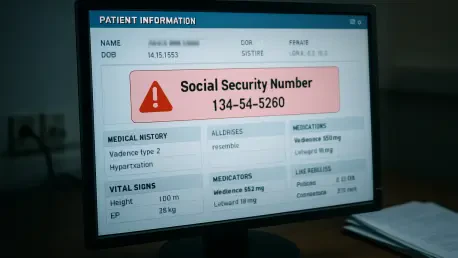

The intricate web of digital healthcare services has created unprecedented efficiencies, but it has also exposed a critical vulnerability in the supply chain, where a single breach at a third-party vendor can have devastating consequences for countless patients. This reality was brought into sharp focus by the Aultman Health System, an Ohio-based nonprofit, which recently disclosed a significant data breach originating not from its own systems, but from its electronic health record (EHR) partner, Cerner. The incident highlights the growing challenge healthcare organizations face in securing patient data that is managed and stored by external partners. Unauthorized access was gained to legacy Cerner systems, leading to the compromise of a vast amount of sensitive information. The breach serves as a stark reminder that cybersecurity is only as strong as its weakest link, and for modern hospitals, that link can often be a trusted technology provider responsible for handling the very core of patient care data, from diagnoses to personal identifiers. This event underscores the systemic risks inherent in the interconnected healthcare ecosystem and the cascading impact such vulnerabilities can have on patient privacy and security across an entire community.
1. The Scope and Nature of the Compromised Data
An extensive investigation into the security incident revealed that the unauthorized third party first gained access to the systems as early as January 22, 2025, though the public disclosure was intentionally delayed. This delay was not an oversight but a strategic decision made at the direction of law enforcement agencies to avoid impeding their ongoing investigation into the cyberattack. The data compromised in this breach is exceptionally sensitive, encompassing a wide range of both personally identifiable information (PII) and protected health information (PHI). Affected individuals had their full names, Social Security numbers, and medical record numbers exposed. Furthermore, the breach compromised intricate clinical details, including the names of treating doctors, specific medical diagnoses, prescribed medications, laboratory test results, and even medical images. The scope of the attack specifically impacts patients whose records were housed on the legacy Cerner systems utilized by Aultman Hospital, Aultman Alliance Community Hospital, and Aultman Orrville Hospital, making it a geographically concentrated but deeply personal data crisis for the community and its residents.
In response to the breach, Cerner initiated a support plan for all affected individuals, which included an offer of two years of complimentary identity protection and comprehensive three-bureau credit monitoring services provided through Experian. These services were designed to provide a layer of security by monitoring for fraudulent activity and included identity protection, credit monitoring, and Internet surveillance. Official notification letters were dispatched directly to the individuals whose information was confirmed to have been compromised. These letters contained a unique engagement number (B156918) and contact information for further assistance. For those who suspected they were affected but had not received a letter, a dedicated support line was established at 833-918-1127. Victims of the breach were strongly encouraged to take several proactive steps to safeguard their identities. They were advised to meticulously review all statements from healthcare providers, insurance companies, and financial institutions for any signs of unusual or unauthorized activity. It was also recommended that they obtain their free annual credit reports from the three major credit bureaus and consider placing a fraud alert or a more restrictive security freeze on their credit files as a preventative measure.