
The transformation of a wrist-worn gadget from a simple novelty into a sophisticated clinical instrument marks one of the most significant shifts in the history of consumer electronics and personal health management. A decade ago, the primary function of a wearable was to motivate the user to reach a daily step count or to provide a rough estimate of calories burned during a morning jog, acting more as a digital cheerleader than a medical resource. Today, however, these devices have developed what industry experts describe as “diagnostic teeth,” moving beyond passive data logging to become active screening tools that can detect life-altering physiological anomalies. This evolution is driven by the integration of high-fidelity photoplethysmography (PPG) sensors, micro-electrocardiograms, and advanced machine learning models that process biological signals in real time. As a result, the boundary between a consumer lifestyle product and a medical-grade diagnostic tool is increasingly porous, creating a new layer of “pre-clinical” oversight that exists entirely outside the traditional walls of a hospital or a doctor’s office.
This new paradigm does not suggest that a smartwatch or a smart ring is a direct replacement for a trained physician, but it does mean the initial stage of the patient-care journey has been fundamentally redefined. By offering a constant, low-friction method of monitoring vital signs, wearables serve as an early warning system that flags irregularities in heart rhythm, blood oxygen saturation, and systemic glucose levels long before a patient might feel physical symptoms. This shift is particularly critical for conditions that are notoriously difficult to catch during a brief, scheduled clinical visit, such as intermittent arrhythmias or nocturnal respiratory distress. Because these devices are worn throughout the day and night, they provide a level of longitudinal oversight that was previously impossible to achieve without expensive, specialized medical equipment. Consequently, the modern wearable has transitioned from being a passive observer of activity to an essential participant in the early detection and management of chronic and acute health conditions.
Diverse Functional Utility and Clinical Trust
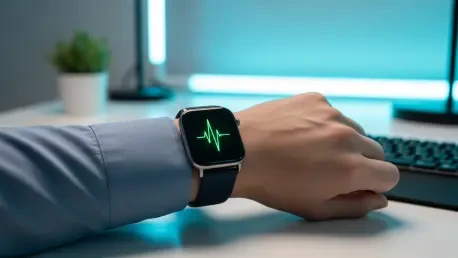
The current landscape of wearable technology is no longer a monolithic market of generalized fitness trackers but is instead segmented into specialized niches defined by specific biological signals and varying degrees of clinical validation. Leading manufacturers have successfully integrated single-lead electrocardiogram (ECG) functionality into their flagship smartwatches, specifically targeting the opportunistic screening of Atrial Fibrillation (AFib). While these single-lead readings are not a substitute for a comprehensive 12-lead ECG performed in a clinical setting, they offer a vital “red flag” for a condition that is often entirely asymptomatic yet carries a significantly elevated risk of stroke. The value of this technology lies in its accessibility; it allows a user to capture a symptomatic moment in real time—something that a scheduled appointment two weeks later might never replicate—providing actionable data that can be shared instantly with a cardiologist for further investigation.
Beyond the visible screen of a smartwatch, the rise of smart rings and specialized bio-bands has introduced a focus on deep longitudinal data that prioritizes baseline stability over instantaneous metrics. These devices excel at monitoring heart rate variability (HRV), skin temperature, and respiratory rates over weeks and months to establish a highly personalized “normal” for each individual user. Their primary diagnostic value is found in their ability to detect subtle, multi-day deviations from this baseline, which can serve as a precursor to the onset of systemic illness, chronic stress, or even overtraining in athletes. Similarly, the expansion of continuous glucose monitors (CGMs) from specialized diabetic care into the broader consumer market has revolutionized the understanding of metabolic health. By providing real-time feedback on how specific dietary choices and physical activities impact blood sugar levels, these devices allow for a proactive approach to preventing insulin resistance and other metabolic disorders through immediate, data-driven behavioral adjustments.
Heart Health and the Impact of Continuous Monitoring
Heart monitoring serves as the quintessential case study for how consumer-grade hardware has earned its place within the modern diagnostic ecosystem. The shift from experimental heart rate tracking to validated AFib detection has been supported by large-scale clinical evidence demonstrating that wearables can accurately identify rhythm irregularities in diverse populations. One of the most significant advantages of this continuous monitoring is the ability to bridge the gap left by traditional medical snapshots; many cardiac events are paroxysmal, meaning they occur sporadically and without warning. A patient may feel perfectly healthy and exhibit a normal sinus rhythm during a ten-minute physical exam, yet suffer from dangerous heart rate spikes or irregularities at three in the morning. A wearable, by virtue of being “always on,” captures these hidden events, effectively acting as a persistent physiological smoke alarm that can trigger a life-saving medical intervention.
This constant vigilance extends beyond the heart to the respiratory system, where the tracking of blood oxygen (SpO2) and breathing patterns during sleep has become a primary tool for identifying undiagnosed sleep apnea. Many individuals suffer from obstructive sleep apnea for years without realizing it, attributing their daytime fatigue or morning headaches to general stress or poor sleep hygiene. However, when a wearable identifies repeated, significant drops in blood oxygen levels alongside disrupted breathing rates, it provides the objective evidence necessary to prompt a formal sleep study. By recognizing these patterns early, the technology helps prevent the long-term cardiovascular strain and hypertension that often result from untreated respiratory issues. This transition from reactive medicine—where a problem is only addressed after it causes a crisis—to proactive screening is the hallmark of how continuous monitoring is reshaping the standards of cardiac and respiratory care.
The Shift from Snapshot Data to Health Narratives
The strategic advantage of modern wearables lies in their ability to provide a “narrative” of a person’s health rather than a series of disconnected “snapshots.” Traditional healthcare models have historically relied on isolated data points, such as a blood pressure reading taken once every few months or a fasting blood glucose test performed once a year. These infrequent checks are often unrepresentative of a patient’s true physiological state because they can be heavily influenced by temporary factors, such as the stress of being in a medical environment—a phenomenon known as “white coat syndrome”—or even what the patient ate the night before. In contrast, wearables offer a high-density stream of information that documents the body’s response to the real-world stresses of professional life, the restorative phases of sleep, and the metabolic impact of varied nutritional habits, creating a comprehensive picture of systemic health over time.
This continuous stream of data allows for a much more personalized approach to medical consultations, as it replaces subjective patient recollections with objective, timestamped evidence. Instead of a patient telling a doctor they “feel tired sometimes” or “have occasional heart palpitations,” they can present a digital log showing exactly when their heart rate spiked or when their deep sleep cycles were interrupted. This level of detail enables clinicians to move away from generalized treatments and toward interventions tailored to the specific patterns observed in the patient’s daily life. Furthermore, this narrative approach helps identify seasonal or cyclical trends in health that would be invisible in a standard clinical setting, such as how a patient’s cardiovascular health might decline during high-stress work periods or how their respiratory efficiency changes with the local air quality or allergy seasons.
Artificial Intelligence as a Triage Mechanism
The sheer volume of raw biometric data generated by a wearable would be overwhelming and largely useless for the average person if it were not for the sophisticated integration of Artificial Intelligence. AI serves as a vital translator, converting millions of data points into actionable insights by distinguishing between normal physiological variations and genuinely concerning trends. For example, the algorithms are designed to recognize that an elevated heart rate is perfectly normal during a morning run or a high-intensity workout, but that same heart rate elevation during a period of sedentary rest could be a sign of a looming medical issue. By comparing current readings against a vast database of clinical patterns and the user’s own historical data, AI can provide context that turns a simple number into a meaningful health alert, effectively acting as a digital triage nurse that resides on the user’s wrist.
However, the medical community and the technology industry are in agreement that AI should function strictly as a triage mechanism rather than a final diagnostic authority. Despite their sophistication, these algorithms are still susceptible to “noise” caused by external factors, such as a loose watch strap, excessive arm movement during a sensor reading, or even changes in ambient temperature that affect blood flow at the skin’s surface. These errors can lead to false positives, where a device incorrectly flags a cardiac event that did not occur, potentially causing unnecessary anxiety for the user. Consequently, the established consensus is that AI’s role is to surface potential concerns for professional human review, ensuring that the technology complements the expertise of a physician rather than attempting to replace it. This collaborative model ensures that while the technology does the heavy lifting of constant monitoring, the final medical judgment remains in the hands of a qualified professional.
Accuracy, Equity, and the Problem of False Positives
Despite the remarkable technological leaps made in the mid-2020s, the integration of wearables into formal diagnostics faces significant hurdles related to data integrity and the risk of “cyberchondria.” One of the most persistent challenges is the occurrence of false positives, which can trigger a wave of unnecessary medical visits and expensive diagnostic tests, potentially overwhelming healthcare systems with patients who are essentially healthy. This problem is exacerbated by technical limitations such as motion artifacts—where the physical movement of the wearer interferes with the optical sensors—and the impact of skin tone on the accuracy of green-light PPG sensors, which can sometimes provide less reliable readings for individuals with darker complexions. Ensuring that these tools work with equal accuracy across all demographics is a critical priority for manufacturers seeking to maintain clinical credibility and promote health equity.
Furthermore, there remains a significant psychological and regulatory divide between “wellness” features and “FDA-cleared” medical features. Consumers are often required to navigate a complex landscape where some metrics, like step counts or sleep stages, are categorized as general health estimations, while others, like ECG readings or blood oxygen alerts, carry formal regulatory backing. This distinction is crucial because a user might develop a false sense of security if they believe their device is monitoring for every possible ailment, or conversely, they might experience unearned alarm over a metric that has not been clinically validated. Education therefore becomes a necessary component of wearable adoption; users must understand the specific capabilities and limitations of their devices to ensure that they are using the data responsibly and seeking professional help when a legitimate red flag is raised, rather than reacting to every minor fluctuation in their daily stats.
Privacy Risks and the Legal Gray Area
Privacy remains one of the most contentious issues as wearable data becomes more medically relevant and sensitive. Unlike the information stored within a traditional hospital’s Electronic Health Record (EHR) system, which is governed by strict federal privacy laws like HIPAA in the United States, the data generated by consumer health apps often falls into a legal gray area. This creates a significant risk that highly personal physiological information—ranging from heart rate patterns to metabolic fluctuations—could be shared with insurers, employers, or third-party advertisers without the user’s explicit informed consent. As the precision of these diagnostic tools increases, the potential for this data to be used in ways that could negatively impact a person’s insurance premiums or employment opportunities becomes a growing concern for privacy advocates and consumers alike.
The transition toward a more integrated health ecosystem requires a fundamental update to privacy legislation to ensure that “consumer-generated” health data receives the same level of protection as “clinically-generated” data. Many users are currently hesitant to fully synchronize their wearable devices with their primary care providers due to fears of data leaks or the potential for corporate misuse of their biometrics. Addressing these concerns is essential for the universal adoption of wearable diagnostic tools; if users do not trust that their information is secure, they will be less likely to engage with the features that offer the most significant health benefits. The industry must move toward a model of data sovereignty, where the user has total control over who accesses their information and for what purpose, ensuring that the benefits of continuous monitoring are not outweighed by the risks of digital exposure.
Practical Steps for Collaborative Health Management
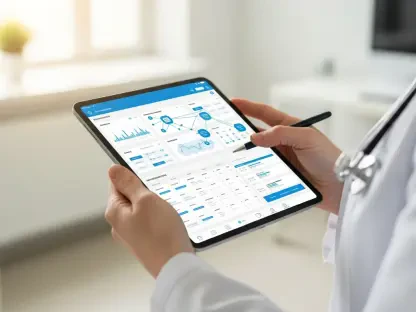
As the integration of wearable technology and clinical medicine deepens, the focus must shift toward creating a seamless and secure pipeline for Remote Patient Monitoring (RPM). For individuals managing chronic conditions like hypertension or heart disease, the ability to have their wearable data fed directly into a healthcare provider’s dashboard allows for a level of oversight that can prevent hospitalizations and speed up interventions. To make the most of this technology, patients should proactively discuss their wearable data with their physicians, seeking to establish which specific metrics are most relevant to their individual health goals. Physicians, in turn, must be prepared to integrate this high-density data into their diagnostic workflows, moving past the skepticism of consumer gadgets to embrace the reality of high-quality, continuous patient monitoring.
The most effective approach to modern health management was ultimately found in a partnership between the user, their technology, and their medical professional. Users should treat the insights from their devices as “early signals”—the first step in a diagnostic process that must always conclude with professional validation and clinical testing. By using these tools to identify trends and flag anomalies early, individuals can take a much more proactive role in their own care, shifting the medical paradigm from treating illness to maintaining wellness. As sensors continue to shrink and artificial intelligence becomes more refined, these devices will become even less intrusive and more precise, serving as silent guardians that only speak up when a genuine health threat is detected. The future of medicine lies in this synergy, where the device on a person’s wrist provides the evidence that allows for a longer, healthier, and more informed life.