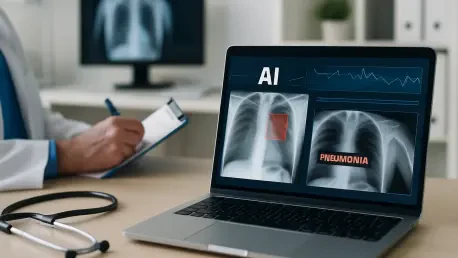

In the critical minutes following a medical emergency like a stroke, the concept of a “golden hour” underscores the urgent need for rapid diagnosis and intervention to prevent irreversible damage. Responding to this immense pressure, leading hospitals across Asia are now integrating sophisticated artificial intelligence and advanced monitoring technologies into their daily operations, fundamentally transforming the speed and precision of patient care. This wave of innovation, seen prominently in countries like India, South Korea, and Thailand, is not merely about adopting new gadgets but represents a strategic overhaul of clinical workflows. By leveraging specialized technology to accelerate diagnoses for time-sensitive conditions and enhance the continuous monitoring of vulnerable patients, these healthcare institutions are setting a new global standard, demonstrating how technology can be a powerful ally in the race to save lives and improve long-term health outcomes for millions.
Revolutionizing Neurological Emergencies
The application of artificial intelligence in emergency medicine has been particularly transformative for stroke care, a field where treatment delays are measured in lost brain cells. At Apollo Hospitals in Chennai, India, the implementation of an AI-powered imaging system has dramatically redefined the diagnostic timeline. Previously, the process of interpreting complex brain scans could take up to 30 minutes, a significant portion of the critical window for intervention. The new system, however, analyzes these scans and delivers crucial insights in a mere seven minutes. This remarkable reduction in time is achieved through algorithms that not only detect signs of a stroke but also provide a comprehensive stroke severity score and pinpoint the exact location of blocked arteries. This detailed, rapid analysis empowers clinicians to make faster, more informed decisions about treatment, such as whether to administer clot-busting drugs or proceed with a mechanical thrombectomy. The swiftness and accuracy of this AI-driven diagnosis directly translate into better patient outcomes, minimizing brain damage and significantly increasing the likelihood of a successful recovery.
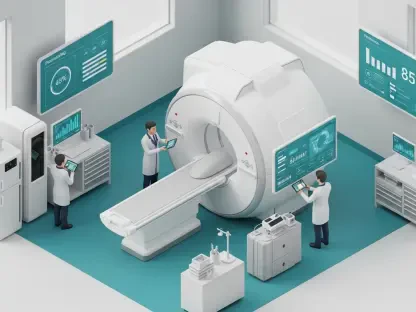
Similarly, Hallym University Sacred Heart Hospital in South Korea has embraced a comprehensive AI-driven approach to enhance its emergency stroke response capabilities. The hospital has deployed a sophisticated suite of AI software developed by JLK, which is designed to meticulously analyze both CT and MRI brain images. This dual-modality analysis provides a more complete and nuanced understanding of the patient’s condition, helping to distinguish between ischemic and hemorrhagic strokes with greater accuracy. The AI platform functions as a powerful decision-support tool for the emergency medical team, flagging potential abnormalities and providing quantitative data that streamlines the diagnostic workflow. By automating key aspects of image interpretation, the system reduces the cognitive load on radiologists and neurologists, allowing them to focus their expertise on treatment planning and patient care. This integration of AI into the core of emergency diagnostics ensures that every stroke patient receives the most rapid and precise assessment possible, optimizing their chances for a positive long-term prognosis and a better quality of life post-treatment.
Expanding the Technological Frontier in Patient Care
Beyond the immediate urgency of stroke treatment, artificial intelligence is also making significant inroads into the early detection of chronic diseases like cancer, shifting the paradigm from reactive care to proactive screening. Yashoda Hospital in Hyderabad, India, has pioneered this approach with the launch of its AI-enabled Lung Nodule Clinic, a collaborative initiative with Qure.ai. This innovative clinic integrates advanced AI algorithms directly into the hospital’s routine chest X-ray analysis process. The system is trained to identify and flag suspicious pulmonary nodules, which can be early indicators of lung cancer but are often subtle and easily missed by the human eye during a standard review. Once a nodule is detected, the AI provides a detailed assessment of its characteristics, such as size and density, and can track its development over subsequent scans. This capability provides radiologists and oncologists with invaluable data, facilitating earlier and more accurate diagnoses. By catching potential malignancies at their nascent stage, the clinic enables timely intervention, drastically improving treatment efficacy and patient survival rates for one of the world’s most common cancers.
In a parallel move to enhance inpatient safety and management, Bangkok Hospital in Thailand has introduced a cutting-edge remote monitoring solution, the CardioWatch. This wearable bracelet is designed for the continuous, non-invasive supervision of patients, particularly those recovering from major surgery or being treated for serious conditions like heart disease and stroke. The device meticulously tracks a range of vital signs in real-time, including blood pressure, heart rate, respiratory rate, and blood oxygen saturation. This constant stream of data is transmitted wirelessly to a central monitoring station, where medical staff can oversee the status of multiple patients simultaneously. The system is programmed to issue immediate alerts if any patient’s vitals deviate from their pre-set normal ranges, enabling nurses and doctors to intervene swiftly before a potential crisis can escalate. This technology not only enhances patient safety by providing an uninterrupted layer of surveillance but also improves operational efficiency by automating the task of manual vital sign checks, freeing up clinical staff to focus on more direct patient care needs.
A New Paradigm in Healthcare Delivery
The widespread adoption of these advanced technologies marked a pivotal moment in the evolution of healthcare across Asia. The integration of AI-powered diagnostic tools and continuous remote monitoring systems was no longer a futuristic vision but a tangible reality that fundamentally reshaped the delivery of patient care. Hospitals that embraced these innovations reported significant improvements in both clinical outcomes and operational efficiency. By leveraging machine learning to interpret medical images with superhuman speed and accuracy, and by using wearable sensors to maintain constant vigilance over at-risk patients, these institutions created a safer and more responsive healthcare environment. This strategic shift empowered clinicians with unprecedented analytical capabilities, enabling them to diagnose diseases earlier and intervene more effectively than ever before. Ultimately, this technological revolution translated into improved patient survival rates, reduced long-term disability, and a new, higher standard for data-driven, patient-centric medicine throughout the region.