
The modern landscape of precision medicine is being reshaped by a rapid convergence of diagnostic capabilities and therapeutic insights, necessitating a deeper level of integration within laboratory workflows. As clinical demands for personalized treatment plans increase, the ability to provide highly specific cellular analysis has become the primary differentiator for global life sciences leaders. In a definitive move to cement its position at the forefront of this evolution, Agilent Technologies has entered into a formal agreement to acquire Biocare Medical for $950 million in cash. This transaction represents more than just a financial investment; it is a calculated expansion into the specialized high-growth segments of the pathology market. By bringing Biocare into its ecosystem, Agilent is positioning itself to address the growing complexities of cancer diagnostics with an enhanced portfolio that bridges the gap between basic research and routine clinical practice. This acquisition signals a broader industry trend where diagnostic accuracy is the cornerstone of effective healthcare delivery.
Strategic Integration of Diagnostic Technologies
Advancing Pathology through Immunohistochemistry Innovation
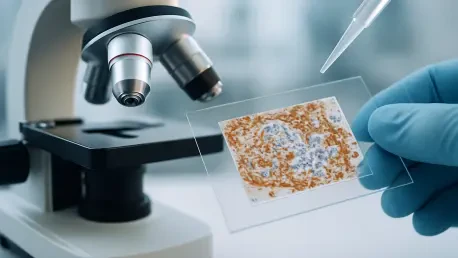
The primary driver behind this $950 million investment is the exceptional synergy between Agilent’s existing infrastructure and Biocare’s specialized expertise in immunohistochemistry (IHC) and in situ hybridization (ISH). These methodologies are indispensable in the modern pathology lab, as they allow clinicians to visualize specific proteins and genetic sequences within tissue samples to identify various forms of cancer. Biocare Medical has carved out a significant niche by developing a catalog of over 300 specialized antibodies that are renowned for their sensitivity and specificity. By integrating these reagents with Agilent’s automated staining platforms, the combined entity can offer a more seamless, end-to-end solution for laboratories looking to optimize their diagnostic throughput. This technical alignment is expected to reduce the friction often associated with using fragmented systems from multiple vendors, ultimately leading to more reliable results for pathologists and faster turnaround times for patients awaiting critical diagnoses.
Furthermore, the research and development capabilities of Biocare Medical provide a fertile ground for the next generation of in vitro diagnostic tools. As the industry moves toward 2027 and 2028, the demand for companion diagnostics—tests specifically designed to determine if a patient will respond to a particular drug—is projected to surge. Agilent’s acquisition of Biocare’s R&D pipeline ensures that it remains at the cutting edge of this transition, allowing for the rapid commercialization of new assays that target emerging biomarkers. This integration is not merely about expanding a product list; it is about combining two distinct sets of intellectual property to solve complex biological puzzles. The fusion of Biocare’s reagent chemistry with Agilent’s engineering excellence creates a powerful platform for innovation that can adapt to the shifting requirements of oncology and neurology. This proactive approach to technology integration ensures that the combined company can lead the market rather than reacting to the advancements of its competitors.
Expanding Operational Scale and Global Reach
Beyond the technical advantages, the acquisition provides Biocare Medical with the global scale necessary to amplify its clinical impact across international markets. Currently owned by an investor group led by Excellere Partners and GHO Capital Partners, Biocare has demonstrated impressive organic growth, but its reach has been somewhat limited by the logistical constraints of a mid-sized organization. Integrating into the Agilent Life Sciences and Diagnostics Markets Group allows Biocare’s products to tap into a vast, established distribution network that spans every major healthcare market in the world. This expanded footprint means that high-quality diagnostic reagents previously available only in select regions can now be deployed globally, raising the standard of care in emerging markets while reinforcing Agilent’s dominance in established ones. The shift from a private equity-backed model to being part of a multinational corporation provides the financial stability and operational muscle required for long-term sustainability.
The administrative and operational consolidation of these two entities is also designed to maximize efficiency within the internal supply chain. Agilent’s sophisticated manufacturing capabilities can be leveraged to scale the production of Biocare’s antibody library, potentially lowering costs while maintaining the rigorous quality standards required for medical diagnostics. This operational synergy is expected to be a significant contributor to Agilent’s non-instrument revenue mix, which is a key metric for long-term financial health. By increasing the proportion of recurring revenue derived from reagents and consumables, Agilent creates a more resilient business model that is less susceptible to the cyclical fluctuations of capital equipment sales. This strategic pivot toward a service-and-consumable-heavy model reflects a deep understanding of the modern laboratory’s needs, where consistent access to high-quality reagents is just as critical as the hardware used to process them.
Financial Implications and Market Positioning
Driving Long-term Value and Revenue Growth
From a financial perspective, the $950 million cash transaction is structured to deliver immediate and long-term benefits to Agilent’s shareholders and the broader organization. Biocare Medical enters the deal with a strong financial profile, having maintained double-digit revenue and profit growth over the past several years, with its 2025 revenue exceeding $90 million. Agilent anticipates that the acquisition will be accretive to its top-line growth rate and profit margins within the very first year of ownership. This optimistic outlook is grounded in the high-margin nature of the reagent business and the anticipated cross-selling opportunities between the two companies’ customer bases. By the time the deal closes at the end of the fourth fiscal quarter in 2026, Agilent will have a clear roadmap for integrating these financial streams into its broader reporting structure, ensuring a transparent and successful transition for investors.
Moreover, the acquisition is projected to contribute positively to Agilent’s earnings per share approximately one year following the official closure of the deal. This timeline is particularly impressive given the scale of the integration and suggests a high degree of confidence in the underlying value of Biocare’s assets. The focus on non-instrument revenue is a deliberate move to diversify Agilent’s income streams, providing a buffer against economic volatility. As labs become more automated and standardized, the demand for proprietary reagents and specialized antibodies becomes a fixed operational cost for healthcare providers, ensuring a steady and predictable flow of income for the supplier. This financial stability enables Agilent to continue investing heavily in future innovations, creating a virtuous cycle of growth and reinvestment that strengthens its market position against other diagnostic heavyweights. The deal essentially buys Agilent a larger share of a high-value, high-growth market segment that is central to the future of clinical medicine.
Enhancing Clinical Impact and Patient Outcomes
The ultimate measure of success for this acquisition lies in its ability to improve the precision of cancer diagnostics and the subsequent quality of patient care. Biocare CEO Luis de Luzuriaga has highlighted that the merger provides the necessary scale to enhance both clinical impact and product quality on a level that was previously unattainable. When a pathologist has access to more specific antibodies and more reliable automated systems, the likelihood of a correct diagnosis increases significantly. This precision is vital in the era of targeted therapies, where the wrong diagnostic result can lead to the administration of ineffective and potentially harmful treatments. By consolidating these two leaders in the field, the industry moves closer to a reality where diagnostic certainty is the norm rather than the goal. The combined expertise of Agilent and Biocare will likely lead to the development of standardized protocols that can be adopted by labs worldwide, reducing variability in diagnostic results.
Agilent CEO Padraig McDonnell has echoed these sentiments, noting that the combination of these complementary capabilities is a win for both shareholders and pathology customers. The synergy between the two firms allows for a more holistic approach to tissue diagnostics, moving away from a product-centric model toward a solution-centric one. This shift is critical as the complexity of genomic and proteomic data continues to grow, requiring more sophisticated tools for interpretation and visualization. As the merger settles into its operational phase through late 2026 and into 2027, the focus will remain on delivering tangible improvements in diagnostic accuracy. The integration of Biocare’s niche expertise with Agilent’s broad clinical reach ensures that the benefits of specialized pathology are not confined to elite research institutions but are made available to community hospitals and regional diagnostic centers. This democratization of high-end diagnostic technology is perhaps the most significant long-term outcome of the $950 million deal.
The consolidation of Biocare Medical into Agilent’s diagnostic portfolio served as a definitive signal that the future of pathology belongs to those who can master the intersection of high-volume automation and specialized molecular insight. Stakeholders in the clinical laboratory space should now prioritize the evaluation of their existing staining workflows to determine how these integrated solutions can be best utilized to reduce manual errors and improve diagnostic speed. Laboratories that fail to adopt these unified systems may find themselves at a disadvantage as the industry moves toward 2027, where standardized, high-throughput testing will be the baseline requirement for reimbursement and accreditation. Future considerations must also include the training of pathology personnel to handle the increasing complexity of these new assays, ensuring that the human element of diagnosis keeps pace with technological advancements. Ultimately, the industry must move toward a more collaborative framework where diagnostic providers and clinicians work in tandem to leverage these new tools for the benefit of personalized patient care.