

The rapid expansion of managed care models across the United States has fundamentally transformed the landscape of public health funding, yet this shift often leaves a significant gap in fiscal oversight and patient advocacy. In Utah, nearly eighty-three percent of all Medicaid enrollees are now

The intersection of chronic disease management and health insurance reform is reaching a critical tipping point in Ohio as hundreds of thousands of residents grapple with the complexities of long-term illness. While the traditional medical model often prioritizes acute interventions during moments

The Colorado Joint Budget Committee currently faces the daunting task of reconciling a massive one billion dollar state budget shortfall with the urgent and increasing demand for accessible mental health services across the region. As federal Medicaid contributions dwindle, state lawmakers find

The rapid convergence of sophisticated generative artificial intelligence and legacy administrative frameworks has created a pivotal moment for healthcare payers who must balance unprecedented speed with absolute clinical and financial accuracy. As organizations navigate the complexities of 2026,

The current transformation of the American medical landscape reflects a sophisticated pivot from centralized federal mandates toward highly localized, state-driven experiments in health insurance accessibility. While the original framework of the Affordable Care Act provided a baseline for national
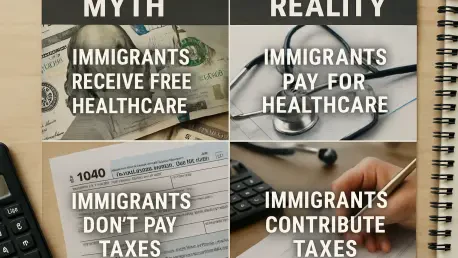
The prevailing narrative surrounding immigrant access to public health benefits often operates on a set of assumptions that stand in direct contradiction to the actual statutory requirements governing the American medical system. While political discourse frequently suggests an open-door policy for