
A fragile medical supply chain is far more than a logistical challenge or a business inconvenience; it is a direct and profound threat to human health, where the consequences are not measured in dollars but in delayed treatments and compromised care. When the intricate network responsible for delivering essential medicines, equipment, and supplies begins to falter, the abstract concepts of “resilience” and “disruption” transform into tangible, life-altering events for individuals and their families. The stability of this global system is fundamentally and inextricably linked to patient outcomes, turning empty pharmacy shelves and unavailable medical devices into critical barriers to well-being. The true cost becomes painfully clear when a patient’s recovery is hindered, a chronic condition is mismanaged, or a life-saving procedure is postponed, all because a crucial component failed to arrive on time. The entire foundation of modern healthcare rests upon the assumption of availability, and when that assumption is shattered, the human impact is immediate and severe.
The Cascading Consequences of Disruption
The inherent vulnerability of today’s deeply interconnected global supply chains was starkly exposed during the COVID-19 pandemic, an event that provided an amplified and harrowing view of systemic failure. The catastrophic shortages of ventilators, personal protective equipment (PPE), and essential medications left healthcare systems worldwide scrambling, unable to provide critical care and directly endangering both patients and frontline workers. This was not merely a historical anomaly; it is a persistent crisis, with organizations like the World Health Organization reporting that over 300 essential drugs are currently in short supply globally. A localized disruption—be it a natural disaster, a manufacturing shutdown, or political instability—can trigger a devastating domino effect, with repercussions rippling across continents. A factory closure in one country can lead to empty pharmacy shelves and impossible clinical choices in hospitals and clinics thousands of miles away, demonstrating that in a globalized world, no healthcare system is an island.
The most immediate and direct human cost of a supply chain failure is the delay of necessary and often time-sensitive medical treatment. When a crucial drug or a specific medical device is unavailable, patients are forced into a holding pattern, a period during which their underlying condition can deteriorate, their pain and suffering can increase, and their overall prognosis may worsen significantly. To cope with these pervasive shortages, clinicians are often compelled to resort to therapeutic substitutions, a practice that, while born of necessity, is fraught with considerable risk. An alternative medication may carry a different side-effect profile, could interact negatively with a patient’s other prescriptions, or may simply be less effective for their specific condition. This complexity substantially increases the potential for medical errors that can cause direct harm, turning a logistical problem into a direct threat to patient safety and complicating an already difficult treatment journey for countless individuals.
Beyond Inconvenience to Life-Altering Impacts
In the most severe and tragic instances, the consequences of a weak and unreliable supply chain are measured not just in prolonged recovery times but in lives lost. Recent reports from esteemed publications like The Pharmaceutical Journal have drawn a direct and chilling line between patient deaths and shortages of essential medications for chronic conditions such as ADHD and epilepsy, transforming what might be viewed as a logistical failure into a fatal outcome. Beyond these ultimate tragedies, the constant uncertainty and unavailability of prescribed treatments systematically damages the very foundation of modern medicine: patient trust. When patients cannot rely on their local pharmacy to have the medication they need to manage their health, their faith in their providers and the healthcare system as a whole begins to crumble. This erosion of trust can have long-term negative effects, deterring individuals from seeking necessary care in the future or adhering to their treatment plans, thereby undermining public health on a broader scale.
To prevent these devastating human costs from becoming the norm, the entire healthcare industry must pivot from a historically reactive posture to a profoundly proactive stance by architecting a more durable and resilient supply chain. This strategic transformation begins with the fundamental principle of diversifying suppliers across a variety of different geographical regions. By moving away from an over-reliance on a single source or a single country, organizations can effectively mitigate the risks associated with localized events. A natural disaster, a political upheaval, or a regional manufacturing shutdown in one part of the world will no longer cripple the entire system if robust alternative supply routes are already established and maintained. This strategy ensures that even when one pathway is compromised, the flow of critical medical goods can continue uninterrupted, providing a vital buffer against unforeseen disruptions and safeguarding patient access to care.
Forging a Resilient and Responsive System
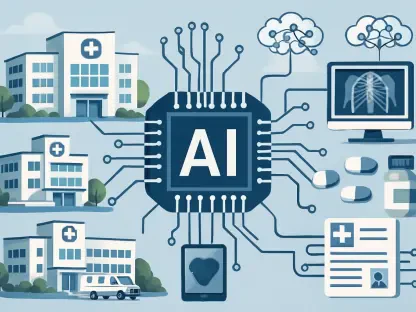
Building a truly resilient framework extends beyond diversification and requires the integration of advanced technological solutions into inventory management. By leveraging the power of real-time data analytics, artificial intelligence, and predictive modeling, healthcare organizations can move past traditional, static methods of stocking supplies. These advanced systems can analyze demand trends, track inventory levels from manufacturer to clinic, and accurately forecast future needs, allowing providers to anticipate potential shortages long before they become critical. This data-driven approach enables intelligent, informed decisions about stockpiling essential items, optimizing inventory to minimize waste while ensuring availability. Furthermore, resilience is fortified by strengthening partnerships between private and public sector stakeholders. Fostering close, collaborative relationships between manufacturers, distributors, government agencies, and healthcare providers creates a cohesive and robust network that can communicate, share resources, and offer mutual assistance far more effectively during a crisis.
The final pillars supporting a modern, resilient supply chain are comprehensive contingency planning and enhanced end-to-end visibility. Preparation is the essence of resilience, and this requires every medical and pharmaceutical practice to develop detailed, actionable contingency plans for a wide range of potential disruption scenarios. This involves identifying specific risks, outlining clear response protocols, and ensuring that all providers have a pre-determined course of action to follow during an emergency, allowing them to continue supporting patients safely and effectively. This planning is magnified in its effectiveness when paired with greater supply chain visibility—a clear, transparent view of a product’s journey from the raw material source to the pharmacy counter. This visibility allows for the early detection of vulnerabilities and bottlenecks, enabling swift intervention. For providers, it also means they can offer patients accurate information about availability and potential delays, which is crucial for managing expectations and maintaining trust.
The Pharmacist on the Front Lines
When the broader supply chain ultimately faltered, pharmacists consistently emerged as the last line of defense for patient safety and continuity of care. As the most accessible healthcare professionals in nearly every community, they were tasked with the immense responsibility of managing the immediate and often chaotic fallout of a medication shortage. With unwavering dedication, they worked tirelessly to identify safe and effective therapeutic alternatives, navigating complex clinical guidelines to prevent interruptions in treatment. They meticulously counseled patients on the necessary changes to their medication regimens, explaining potential risks and ensuring individuals understood how to manage their health amidst the disruption. Through their expertise, care, and compassion, these frontline professionals acted as a critical buffer, mitigating harm and bridging the gap created by a strained system. Their role underscored the irreplaceable human element in a crisis, demonstrating how skilled communication and empathy could preserve patient well-being when logistics alone were not enough.