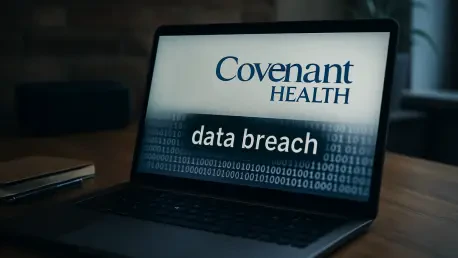

A recent cyberattack on the Catholic healthcare organization Covenant Health serves as a stark reminder of the profound vulnerability of sensitive patient information, ultimately exposing the personal and medical data of nearly half a million individuals. The incident, which unfolded over approximately eight days in May of the previous year, involved the notorious Qilin ransomware gang infiltrating the organization’s IT systems. This breach not only compromised a massive volume of highly confidential data but also highlighted the persistent and evolving threat that sophisticated cybercriminal groups pose to critical infrastructure, particularly the healthcare sector. The fallout from such an attack extends far beyond digital records, affecting the very core of patient trust and the operational stability of essential medical services, leaving hundreds of thousands to grapple with the potential for identity theft, fraud, and the exposure of their most private health details. The subsequent investigation revealed a significant security failure and initiated a complex process of recovery and notification for a vast network of affected patients.
The Scope and Impact of the Compromise
The investigation into the security incident, which officially concluded on December 10, uncovered the alarming extent of the data exfiltration. Cybercriminals successfully accessed and stole a wide array of protected health information and personally identifiable information, creating a significant risk for the 478,188 individuals impacted. The compromised data included patients’ full names, physical addresses, Social Security numbers, and dates of birth, which are key elements for identity theft. Furthermore, the breach exposed sensitive medical details such as medical record numbers, comprehensive health insurance information, and specific treatment data, including diagnoses and dates of service. In response to this massive data loss, Covenant Health began the arduous process of notifying victims on New Year’s Eve. As a remediation measure, the organization offered one year of complimentary credit monitoring services to all affected individuals, a standard but often insufficient gesture in the face of such a deep and personal data compromise.
Operational Fallout and the Threat Behind the Attack
The cyberattack’s consequences were not confined to the digital realm; they caused significant and tangible disruptions to patient care across several facilities. Two hospitals in Maine, St. Joseph Hospital and St. Mary’s Health System, along with another St. Joseph Hospital in New Hampshire, experienced severe operational challenges. Patients at these locations faced increased wait times as staff were forced to abandon compromised digital systems and revert to manual, paper-based processes for critical services, including laboratory orders. The group that claimed responsibility for this disruption, the Qilin ransomware gang, was identified as one of the most destructive and active ransomware operations of the past year. Research into the group’s activities revealed a global reach with a strategic focus on targeting U.S. organizations. Their portfolio of high-profile attacks included major U.S. municipalities, large international corporations, and even the governments of Malaysia and Palau, underscoring the sophisticated capabilities and ambitious scope of the threat actors behind the Covenant Health breach.