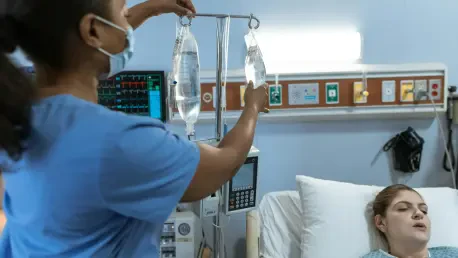

The sterile, fluorescent-lit environment of a hospital emergency room often becomes the backdrop for profound moments of human vulnerability, especially when an elderly parent is involved. In these settings, amid the beeping machines and rushed conversations, the true nature of healthcare is revealed not in the technology, but in the touch of a skilled nurse. The current crisis facing the American healthcare system, characterized by overwhelming staff shortages, is increasingly met with proposals for technological stopgaps and educational budget cuts. These supposed solutions, however, fundamentally misunderstand the core of healing. They threaten to replace the irreplaceable compassion and expertise of in-person medical staff with impersonal algorithms and remote consultations, pushing a system already at its breaking point toward a future devoid of its most essential component: humanity. True progress lies not in circumventing the workforce but in fundamentally reinvesting in the people who are the lifeblood of patient care.
The Scope of a Systemic Failure
A Workforce on the Brink
The staggering scale of the healthcare labor shortage is a national emergency hiding in plain sight, with nurses positioned at its epicenter. Constituting over half of the entire health workforce according to the Bureau of Labor Statistics, the stability of the nursing profession is a direct indicator of the system’s overall health. The situation in states like Virginia offers a stark preview of a looming national catastrophe. Projections show the state is facing a registered nursing deficit of over 30% this year, which translates to a shortfall of more than 25,670 RNs needed to provide adequate care. This is not an isolated problem affecting one role; the deficit cascades through the entire structure, impacting medical managers, physicians, nursing assistants, and home health aides. The impact is felt most acutely in underserved areas, such as Virginia’s Southside region, where access to care was already limited. This widespread depletion of professional staff creates a dangerous environment where patient safety is compromised, and the remaining healthcare workers are pushed toward burnout, exacerbating the very crisis they are struggling to contain.
Dismantling the Educational Pipeline
Compounding the critical shortage of active nurses is a shortsighted and destructive policy proposal that threatens the very foundation of nursing education. A proposed reclassification of graduate nursing degrees as non-professional would drastically curtail access to federal student loans for individuals pursuing careers as advanced practice nurses. This move would make higher education an unaffordable luxury for many, effectively choking the pipeline of highly skilled practitioners. The repercussions extend beyond the immediate workforce, as this policy would also diminish the number of qualified faculty available to train the next generation of nurses, creating a self-perpetuating cycle of decline. This policy reflects a deeper, more troubling societal perception that undervalues the nursing profession, viewing nurses as subordinate assistants rather than the highly educated, skilled professionals who perform the most intimate and demanding aspects of patient care. By creating financial barriers to advancement, such policies not only shrink the talent pool but also send a clear message that the expertise of nurses is not worth the investment.
The Irreplaceable Value of Human Connection
Technology Is Not a Panacea
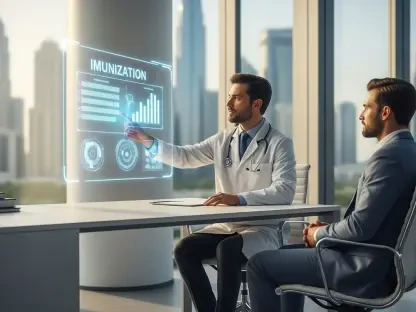
In response to the staffing crisis, many healthcare systems are accelerating a push toward virtual care, promoting telehealth and mobile health apps as a viable substitute for in-person medical professionals. While technology certainly offers valuable tools for convenience and accessibility in specific contexts, it is a deeply flawed solution to a problem rooted in a lack of human resources. The complex needs of many patients, particularly the elderly or those with cognitive impairments like dementia, cannot be adequately addressed through a screen. A remote provider on an app is incapable of observing the subtle non-verbal cues, performing a hands-on physical assessment, or offering the simple, reassuring touch that can be profoundly therapeutic. This “shortage-induced” pivot to virtual platforms risks creating a two-tiered system of care, where those who can advocate for themselves receive personal attention while the most vulnerable are relegated to impersonal, algorithm-driven interactions. True healthcare innovation must augment, not replace, the essential human connection that lies at the heart of healing and diagnosis.
A Case for Compassionate Care
The profound impact of direct, human-centered care was powerfully illustrated in the experience of a 95-year-old woman with severe dementia during a hospital visit. While many interactions were procedural and impersonal, a geriatric physician, Dr. Mark Flemmer, transformed her experience with a simple act of compassionate connection. Rather than focusing solely on the clinical data, he engaged her with humor and common sense, treating her as a person rather than a collection of symptoms. This brief, compassionate interaction had a remarkable effect; despite her significant memory loss, the patient vividly and repeatedly recalled the doctor’s kindness long after the encounter. This serves as a potent reminder of what is lost when care is outsourced to a non-local provider on a digital platform. The healing process is not merely transactional or biological; it is deeply emotional and psychological. The ability of a healthcare professional to restore a patient’s sense of humanity and dignity is a powerful therapeutic tool that no technology can ever hope to replicate, underscoring that the core of medicine remains an intrinsically human endeavor.
A Mandate for Reinvestment in People
The confluence of critical staffing shortages and policies that devalued nursing education had brought the healthcare system to a precipice. It was a moment where the fundamental role of human connection in medicine was being weighed against the perceived efficiency of technology and budget cuts. The experiences of patients and providers alike demonstrated that the path forward could not be paved with further detachment. The solution was not found in erecting more financial barriers for aspiring nurses or in replacing hands-on care with virtual interfaces. Instead, the crisis underscored the urgent need for a paradigm shift—a profound reinvestment in the people who form the backbone of the healthcare system. The principle that “less is more,” while sometimes applicable to medical interventions, proved to be a dangerously flawed philosophy when applied to the dedicated professionals who deliver that care. The system required not a reduction, but a robust and sustained commitment to supporting its most vital asset.