
Imagine a workforce where every employee feels financially secure and physically well, not just during a health crisis but every single day—yet, for many companies, this vision remains out of reach due to underutilized benefits like Health Savings Accounts (HSAs). As open enrollment season concludes, the real challenge for HR leaders begins: transforming HSAs from a misunderstood perk into a cornerstone of employee well-being. Looking ahead to 2026, the potential for HSAs to revolutionize benefits is immense, but only if HR teams can crack the code on engagement and awareness. Far too many employees gloss over these accounts, spending mere minutes on health plan decisions, often missing out on a tool that could bolster both their immediate needs and long-term security. The path forward isn’t just about providing information; it’s about reimagining how HSAs are presented and managed. Through innovative technology, emotional resonance, and tailored communication, HR can unlock the true value of HSAs, turning them into a powerful mechanism for holistic wellness. This isn’t a distant dream—it’s a strategic imperative for the coming year, demanding fresh approaches to an age-old benefits challenge.
Unpacking the Underutilization Challenge
The underutilization of HSAs stands as a stubborn roadblock in the quest to maximize employee benefits, rooted deeply in a lack of understanding and overly complicated processes. Many workers simply don’t grasp the full scope of what HSAs offer, often viewing them as just another confusing piece of the benefits puzzle. This isn’t a minor oversight; it’s a significant missed opportunity for financial and health security. Data suggests that nearly a third of employees dedicate less than 30 minutes to choosing health plans, a rushed decision that often sidelines HSAs entirely. The complexity of managing these accounts—coupled with tools that feel siloed or unintuitive—further dampens enthusiasm. For HR leaders, the task ahead in 2026 is clear: break down these barriers with strategies that prioritize accessibility and comprehension, ensuring employees see HSAs not as a burden but as a vital resource for their well-being.
Beyond mere confusion, decision inertia plays a massive role in this underutilization crisis, keeping employees tethered to familiar but suboptimal choices. When faced with limited time and dense information, the default is often to stick with the status quo, bypassing the potential of HSAs altogether. This behavioral hurdle isn’t just about laziness; it reflects a deeper need for simplicity in an already overwhelming benefits landscape. HR must step in as a guide, cutting through the noise with clear, digestible insights rather than piling on more data. By focusing on straightforward messaging and streamlined processes, HR can nudge employees out of inaction, paving the way for greater engagement. The stakes are high—if this inertia isn’t addressed, the transformative power of HSAs risks remaining dormant, leaving both employees and organizations shortchanged.
Harnessing Technology for Simpler Solutions
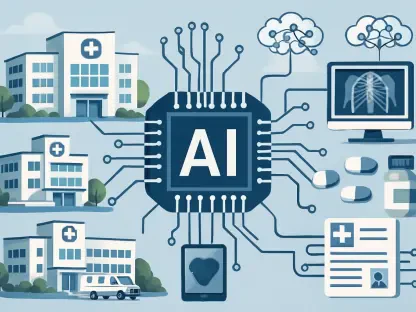
Technology stands poised to revolutionize how HSAs are managed, offering HR a powerful ally in making these accounts more approachable and effective for employees. Tools driven by Artificial Intelligence (AI) and automation are emerging as game-changers, capable of delivering personalized decision support that cuts through the complexity of benefits planning. Platforms like WEX’s BeneFITWise Premier exemplify this shift, providing seamless user experiences that empower rather than overwhelm. With such innovations, employees can navigate their HSAs with confidence, understanding exactly how to leverage them for both immediate and future needs. As HR looks to 2026, embracing these tech solutions isn’t just an option; it’s a necessity to meet the demands of a workforce craving efficiency and clarity in their benefits journey.
Moreover, the adoption of tech-driven approaches is already gaining traction, signaling a broader trend that HR cannot ignore. Research from SHRM indicates that 43% of HR departments have integrated AI tools into their operations, a clear nod to the growing reliance on technology for benefits management. This shift offers a lifeline to employees frustrated by cumbersome systems, replacing guesswork with tailored guidance. By embedding these tools into HSA administration, HR can significantly reduce the friction that so often derails engagement. The result is a win-win: employees feel supported in making informed choices, while HR gains efficiency in managing benefits programs. Heading into 2026, the message is unmistakable—technology isn’t a luxury but a critical enabler for unlocking the full potential of HSAs.
Connecting Emotionally with HSA Benefits
HSAs aren’t just financial tools; they carry profound emotional weight, resonating with employees as a source of control and security in an uncertain world. Studies from WEX and Visa reveal that many workers view these accounts as a shield against economic pressures like inflation, providing peace of mind that transcends mere dollars and cents. This emotional connection is a powerful lever for HR to pull, shifting the narrative from technical tax advantages to a broader story of empowerment and stability. By 2026, HR leaders should focus on positioning HSAs as integral to personal well-being, a safety net that supports not just physical health but also mental and financial resilience. Tapping into this deeper value can transform how employees perceive and engage with their benefits.
Building on this emotional foundation, HR can further amplify HSA appeal by showcasing their versatility as holistic wellness tools. Far beyond covering doctor visits, these accounts can fund everything from fitness trackers to mental health resources, aligning with a modern view of health that encompasses total well-being. This reframing isn’t just semantics; it’s a strategic pivot to make HSAs relevant to diverse employee needs. When employees see their benefits as directly tied to everyday life—whether it’s managing stress or staying active—adoption rates are likely to climb. HR’s role here is to craft messaging that highlights these varied uses, painting HSAs as a personalized ally rather than a niche medical fund. Heading into the coming year, this approach promises to forge stronger emotional bonds between employees and their benefits.
Bridging Today’s Needs with Tomorrow’s Goals
A glaring disconnect haunts the perception of HSAs: while 60% of employees recognize their importance for retirement savings, a mere 9% actively invest their funds for the future. This striking gap underscores a critical challenge for HR—helping workers see HSAs as dual-purpose tools that address both immediate healthcare costs and long-term financial planning. The reluctance to invest often stems from uncertainty or a focus on short-term needs, leaving a valuable opportunity on the table. As 2026 approaches, HR must prioritize education that demystifies investment options within HSAs, offering concrete guidance on how to balance current expenses with future security. This isn’t just about numbers; it’s about fostering a mindset shift toward proactive financial health.
Furthermore, providing actionable advice can turn this disconnect into a point of connection between HR and employees. Tailored workshops or digital resources that walk through allocation strategies—say, setting aside a portion for emergencies while investing the rest—can make a tangible difference. The goal is to empower employees to view HSAs as a flexible asset, not a rigid commitment. HR can also highlight success stories or hypothetical scenarios that illustrate the long-term benefits of investing, making the abstract more relatable. By taking on this facilitative role, HR not only bridges the gap between perception and action but also builds trust in the benefits process. Moving toward 2026, such targeted efforts will be essential to ensure HSAs fulfill their potential as both a safety net and a wealth-building tool.
Sustaining Engagement Through Tailored Communication
Unlike many benefits confined to strict enrollment windows, HSAs offer the flexibility of contributions and adjustments at any time, provided employees are enrolled in a qualified plan. This unique feature opens the door for HR to maintain year-round engagement, keeping HSAs at the forefront of employees’ minds long after open enrollment ends. Static, once-a-year updates fall short in today’s dynamic workforce; instead, continuous touchpoints can sustain interest and prompt timely adjustments based on life changes. By adopting consumer marketing principles, HR can segment audiences and craft messages that resonate, whether it’s a young professional starting a family or a seasoned employee nearing retirement. For 2026, this ongoing dialogue is crucial to maximizing HSA utilization.
In addition, personalization in communication must extend beyond content to delivery methods, catering to generational preferences for maximum impact. Younger workers, like Gen Z, often respond better to short-form videos or app notifications, while Gen X might prefer concise emails that cut straight to the point. Tailoring these approaches ensures no one feels overlooked or overwhelmed by generic messaging. HR can also leverage life-stage triggers—think marriage, childbirth, or a new home purchase—to prompt HSA contribution tweaks, making benefits feel relevant and timely. This consumer-oriented strategy isn’t just about information; it’s about building an emotional connection that fosters trust. As the focus shifts to the coming year, such nuanced, year-round communication will be the bedrock of a benefits program that truly engages and empowers employees.
Forging a Path to Empowered Well-Being
Reflecting on the journey through HSA challenges and solutions, it’s evident that HR leaders tackled a complex puzzle with innovative vigor in the lead-up to 2026. They confronted underutilization head-on, simplifying processes to counter employee inertia and confusion. Technology emerged as a steadfast ally, with AI and automation cutting through the clutter to offer tailored support. Emotionally charged messaging reframed HSAs as pillars of security and wellness, while targeted education bridged the gap between immediate needs and future aspirations. Year-round, personalized communication kept the conversation alive, ensuring benefits remained relevant across diverse life stages. Now, as the focus shifts beyond, HR must commit to refining these strategies—testing new tech integrations, deepening emotional narratives, and fine-tuning outreach to sustain momentum. The next step lies in measuring impact through engagement metrics and employee feedback, adjusting tactics to keep HSAs a vital part of the benefits landscape. This ongoing evolution promises to cement HSAs as not just accounts, but as true catalysts for empowered, holistic well-being.