
Imagine a small town in rural Oklahoma where the nearest pharmacy is over an hour's drive away, and the local hospital shuttered its doors years ago due to financial strain. For the elderly, veterans, and families in these communities, accessing essential medications or basic healthcare often means

Imagine a world where a simple device could prevent a life-threatening health crisis for millions, yet access to that very tool hangs in the balance due to policy decisions. This is the stark reality for countless patients relying on advanced medical technologies like Continuous Glucose Monitors

Demand for home-based care has surged while payment models have become tangled enough to stall promising partnerships, and that tension has left providers wondering why negotiations that start with enthusiasm often end with a familiar deadlock over rates and utilization edits. The answer sits in a
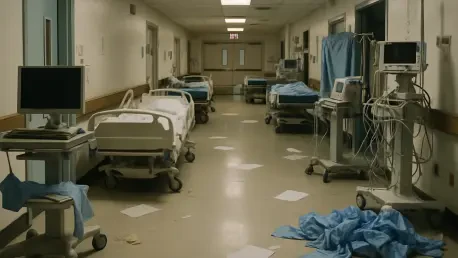
Emergency rooms that once juggled unpredictable nights now confront a predictable shortage that turns routine care into triage, and patients feel the difference in delayed meds, missed checks, and preventable infections. Across Maryland, clinical units are operating too thin to sustain vigilance,

The center of gravity in digital health has been drifting from episodic treatment to an always-on model that anticipates risk, enriches clinician judgment, and meets patients where they live, and three fresh financings set the tone for what comes next across software, services, and devices. Capital
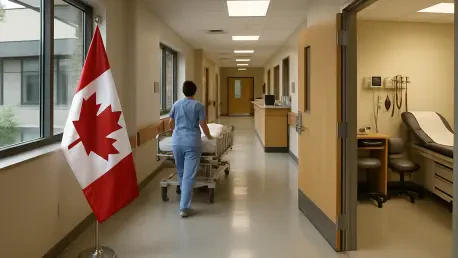
A province known for policy brinkmanship now stood on the verge of testing whether a different balance between public insurance and private delivery could rescue a cherished system from its own inertia, and the implications for wait times, professional recruitment, and intergovernmental politics