
The healthcare sector is currently navigating a pivotal inflection point, moving decisively beyond the volatility of the recent past into an era defined by profound and accelerating innovation. This transformation, powered by a confluence of scientific breakthroughs and powerful demographic shifts, is unlocking a cascade of interconnected opportunities across the industry. For those equipped with deep domain knowledge and a research-intensive approach, this dynamic landscape presents a compelling environment for growth. Fueling this new chapter are undeniable secular tailwinds, including the aging of the global population, which guarantees increased demand for healthcare products and services. Simultaneously, rapid advancements in the fundamental understanding of diseases are accelerating the development of more effective and precisely targeted therapies, opening up entirely new markets and treatment paradigms. However, this environment is not without its complexities. The sector remains subject to the binary outcomes of drug trials, shifting regulatory policies, and intense competitive pressures. Successfully navigating this intricate terrain requires more than a passive strategy; it demands a sophisticated, actively managed approach grounded in rigorous scientific due diligence and a nuanced understanding of the forces shaping the future of medicine.
The Engine of Innovation: Biotechnology and Pharmaceuticals
At the very heart of healthcare’s ongoing transformation lies the biotechnology and pharmaceuticals subsector, which has re-emerged as the primary engine of industry-wide innovation. After a period of lackluster results, this space has begun to outperform the broader market, driven by powerful structural trends and an acceleration in scientific discovery that is fundamentally reshaping how diseases are treated. A defining catalyst for this revitalization is the impending “patent cliff,” with an estimated $300 billion in mature drugs set to lose their market exclusivity by 2030. This has created an urgent imperative for large-cap pharmaceutical companies to replenish their product pipelines, compelling them to look externally for novel innovation. This pressure has directly fueled a significant surge in mergers and acquisitions (M&A), with a particular focus on small- and mid-cap biotech firms that are pioneering disruptive technologies. The resulting M&A boom, which saw approximately $138 billion in deal activity in 2025, has breathed new life into the biotech landscape, boosting valuations and creating a fertile environment for investors focused on identifying the next generation of medical breakthroughs.
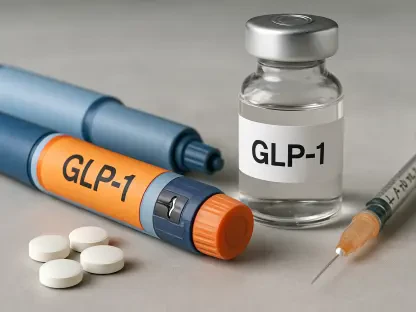
Within this innovative landscape, several therapeutic categories are poised for substantial long-term growth, driven by groundbreaking science. The obesity drug market, for instance, is projected to become the largest in pharmaceutical history. The focus is rapidly evolving beyond first-generation GLP-1 therapies toward next-generation treatments that promise superior outcomes, such as better preservation of lean muscle mass, greater total weight loss, and enhanced patient convenience. The anticipated arrival of the first oral small molecule in 2026 and the development of long-acting monthly injectables will further expand the market by improving patient adherence. Alzheimer’s disease represents another immense, long-term opportunity, with the clinical focus now shifting decisively toward prevention. Critical breakthroughs, including the development of accessible blood-based diagnostic tests and the first at-home subcutaneous treatments, are lowering historical barriers to diagnosis and care. Meanwhile, the frontiers of cell and genetic medicine are expanding at a breathtaking pace. Cell therapy, once largely confined to oncology, is now demonstrating unprecedented efficacy in immunology and other serious conditions, while genetic medicines are moving beyond rare disorders to address more prevalent diseases.
The Picks and Shovels: Life Science Tools and Diagnostics
For those seeking to capitalize on the broader innovation wave with a more diversified risk profile, the life science tools and diagnostics subsector offers a compelling avenue. These “picks and shovels” companies provide the essential instruments, consumables, and services that enable the research, development, and manufacturing of new medicines. By doing so, they become indirect beneficiaries of the entire industry’s growth without being exposed to the binary risk of a single drug trial failure. This subsector is now emerging from a challenging period marked by a cyclical downturn in research funding that followed a pandemic-era surge. The outlook is improving significantly as greater clarity on U.S. drug pricing and tariffs allows pharmaceutical companies to resume investment in new projects and production facilities. This renewed spending, combined with the strong rebound in biotech M&A, translates directly into increased demand for the research and clinical trial services that these companies provide, pointing toward an accelerating trajectory for organic growth that is expected to significantly outpace general GDP growth over the long term.
Several key drivers are set to propel this subsector forward. Bioproduction, in particular, stands out as a prime beneficiary of current trends. The rise of complex biologics, cell therapies, and genetic medicines necessitates highly sophisticated manufacturing processes and specialized equipment. Companies that supply essential components like bioreactors, cell culture media, and chromatography resins are uniquely positioned to benefit from the increasing volume and complexity of these next-generation drugs. Furthermore, while the patent cliff poses a significant threat to branded drug makers, it creates a distinct opportunity for the tools and diagnostics sector. The resulting wave of generic and biosimilar competition is expected to lower drug prices, which in turn expands patient access and ultimately increases overall treatment volumes. This growth in volume is a direct driver for companies involved in bioproduction and the broader life sciences supply chain. Finally, while its growth has moderated, China’s domestic biotech ecosystem remains a significant market, creating ongoing opportunities for global life science tools companies as U.S. firms become more open to in-licensing molecules from Chinese innovators.
Navigating the System: Managed Care and Specialty Distributors
Taking a contrarian perspective, the managed care subsector now presents an attractive investment opportunity after a period of significant underperformance. From 2015 to 2023, these companies were top market performers but have since faced severe headwinds stemming from a post-pandemic surge in healthcare utilization and major changes to government programs like Medicare Advantage, Medicaid, and the Affordable Care Act exchanges. These combined pressures have compressed industry margins to unsustainable break-even or even negative levels, causing valuations to fall well below their historical averages. The investment thesis here is that these companies are currently “underearning” and are poised for a multiyear earnings recovery as they systematically reprice their insurance plans to reflect the new, higher-cost environment. The fundamental attractiveness of the business model—characterized by high returns on equity, annual pricing power, and benefits from rising overall healthcare spending—remains fully intact, suggesting that the current valuation compression may be a temporary dislocation.
Within the broader healthcare services landscape, the distribution of specialty drugs is an area of accelerating importance and opportunity. As biopharmaceutical innovation yields ever more complex and targeted therapies, particularly in fields like oncology and cell therapy, their logistics become significantly more challenging. These advanced drugs often require specialized handling, such as strict cold-chain storage protocols, intensive real-time patient monitoring, and rapid, just-in-time delivery to high-acuity patients. This inherent complexity creates a powerful and durable competitive advantage for specialized service companies that have built the necessary infrastructure, secured deep manufacturer partnerships, and cultivated strong physician relationships to manage these high-value treatments. As specialty drug spending continues to grow at a rapid pace, distributors focused on niches like oncology are exceptionally well-positioned for sustained, long-term growth, effectively serving as the crucial logistical backbone for the most advanced areas of modern medicine.