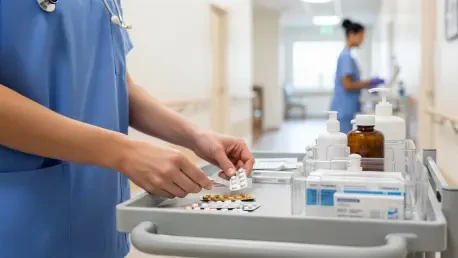

The current healthcare landscape across New York is facing an unprecedented strain as hundreds of licensed nursing home beds sit empty while families desperately seek placements for their aging relatives. In regions like Monroe County, the population of residents over the age of sixty is expanding at a rate that the existing workforce simply cannot accommodate under current regulatory constraints. This crisis is not necessarily a result of a physical lack of space, but rather a direct consequence of a staffing shortage that prevents facilities from operating at full capacity. Licensed nurses are currently tethered to routine medication rounds that can consume several hours of a single shift, leaving little time for the high-level clinical assessments and complex care maneuvers for which they were trained. This rigid allocation of labor creates a significant bottleneck, where the daily needs of seniors are delayed, and the healthcare system remains stagnant despite the availability of technological and procedural solutions that have been proven effective.
Modernizing Healthcare Delivery Models
The Medication Technician Solution: Bridging the Staffing Gap
Authorizing trained medication technicians to handle the distribution of routine, non-invasive treatments represents a pivotal shift in the operational philosophy of New York’s skilled nursing facilities. In the current environment, only licensed nurses are permitted to perform these standardized tasks, a requirement that many experts argue is an outdated relic of a previous era in medical administration. By allowing med techs to step into this role, facilities can streamline their daily workflows and ensure that residents receive their prescriptions in a timely manner, which is essential for managing chronic conditions such as hypertension and diabetes. This model has already seen significant success in assisted living environments and in various other states, where it has been demonstrated that technicians can safely manage routine pharmaceutical needs under the watchful eye of professional supervisors. Integrating this tier of specialized support personnel is a practical response to the demographic realities of 2026.
The implementation of this reform addresses the persistent issue of medication delays that often occur when a single nurse is responsible for a large number of residents. When routine rounds are interrupted by emergencies or complex patient needs, the entire schedule shifts, potentially leading to discomfort or complications for those waiting for their pain management or insulin. By delegating these repetitive but vital duties to certified medication technicians, the facility ensures a consistent rhythm of care that is not easily disrupted by the unpredictable nature of a clinical environment. Furthermore, this change fosters a more resilient infrastructure that can adapt to the fluctuating availability of licensed personnel. As the demand for long-term care continues to escalate from 2026 to 2030, creating a more flexible staffing hierarchy becomes not just an advantage, but a necessity for the survival of the nursing home sector. This evolution prioritizes the stability of the resident experience through smarter labor allocation.
Professional Elevation: Maximizing Nursing Expertise
A primary advantage of utilizing medication technicians is the opportunity it provides for licensed nurses to focus on “top of license” responsibilities that require advanced education and judgment. When nurses are freed from the mechanical task of passing out routine pills, they can dedicate more time to wound care, comprehensive patient assessments, and coordination with physicians. This refocusing of efforts ensures that the most highly trained members of the care team are applying their expertise where it is most needed, particularly in treating residents with acute or deteriorating conditions. The current system often results in professional burnout, as nurses feel their skills are underutilized while they are simultaneously overwhelmed by administrative and repetitive tasks. Moving toward a team-based model allows for a more fulfilling career path for nursing professionals, which could ultimately improve retention rates within the industry. This strategy reflects a broader trend in healthcare toward specialized task delegation.
Comparing this proposed shift to other sectors of healthcare reveals a successful history of tiered professional support. For example, surgical technologists and certified nursing assistants have long performed specific, high-value tasks that allow surgeons and registered nurses to maintain a higher level of focus on critical outcomes. Applying this same logic to the administration of medications in nursing homes is a logical progression of this established methodology. This reform is not intended to replace the clinical oversight of a nurse; rather, it creates a robust support system that enhances the overall quality of the medical environment. By fostering a collaborative atmosphere where each staff member is utilized to their maximum potential, facilities can provide a higher standard of care without compromising safety. The transition encourages a culture of professional respect and efficiency, ensuring that the healthcare system remains capable of meeting the complex needs of an aging population while maintaining the highest possible clinical standards.
Implementation Framework and Oversight
Quality Control: Training and Certification Standards
Safety remains the paramount concern in any discussion regarding medical administration, and the proposed med tech reform includes rigorous safeguards to maintain high standards. The transition involves a structured system of competency testing and state-mandated training programs designed to ensure that every technician possesses the necessary knowledge and skills to perform their duties accurately. Under Governor Kathy Hochul’s proposal, these technicians would operate under the direct supervision of licensed nurses, who would maintain ultimate responsibility for the medication management plan of each resident. This hierarchy ensures that professional judgment is never removed from the equation, but rather supported by a dedicated assistant who follows strictly defined protocols. By formalizing these roles through the state budget process, New York can establish a uniform set of rules that apply across all skilled nursing facilities, creating a predictable and safe environment for both the staff and the residents.
Evidence from other jurisdictions that have adopted similar medication technician programs suggests that errors do not increase when tasks are delegated to trained and supervised personnel. On the contrary, having a dedicated staff member focused specifically on medication delivery can often reduce mistakes caused by the distractions and multitasking that plague overburdened nurses. Modernizing the long-term care framework in this way allows New York to align with modern medical best practices that prioritize efficiency and patient safety. The focus remains on creating a sustainable model that can endure the pressures of a growing elderly population and a competitive labor market. By integrating these professionals into the existing healthcare infrastructure, the state is making a proactive investment in the quality of its nursing homes. This approach provides a clear pathway for expanding capacity and improving the daily lives of thousands of residents who depend on these facilities for their long-term health and well-being.
Future Strategic Steps: Legislative and Fiscal Integration
The successful integration of medication technicians into the nursing home ecosystem requires a coordinated effort between state legislators and facility administrators. Incorporating this proposal into the upcoming state budget provides the necessary legal framework and financial guidance to ensure that facilities can begin the hiring and training process without delay. This proactive legislative approach helps to stabilize the long-term care sector by providing a clear vision for how facilities will manage the ongoing labor shortage while maintaining compliance with state regulations. Furthermore, it allows for the development of standardized curricula that can be utilized by educational institutions to prepare a new generation of healthcare support workers. By creating a formalized career path for medication technicians, the state is not only addressing an immediate staffing crisis but also building a more robust and diverse healthcare workforce that can adapt to the evolving needs of 2026 and the years that will follow.
The transition toward a team-oriented care model signifies a broader commitment to ensuring the sustainability of New York’s healthcare system. This reform is presented as a practical evolution necessary to preserve the dignity and quality of care for the elderly in an era of unprecedented workforce constraints. By prioritizing clinical efficiency and resident safety, the state can ensure that families continue to rely on nursing homes for consistent, attentive, and safe medical environments. The modernization of these regulations reflects a sophisticated understanding of the complexities of modern geriatric care and the need for a more flexible approach to labor. As the state moves forward with these changes, the focus will remain on monitoring outcomes and refining protocols to ensure that the highest standards are maintained. This strategic alignment of policy and practice is essential for building a healthcare infrastructure that is capable of supporting the most vulnerable members of society in a compassionate and effective manner.
The adoption of medication technician reform in New York signaled a decisive step toward resolving the staffing crisis that had previously paralyzed long-term care facilities. By authorizing these specialized roles, the state successfully created a more agile workforce capable of meeting the rising demands of an aging demographic without sacrificing the quality of clinical oversight. This transition demonstrated that professional healthcare standards could evolve to meet modern challenges while simultaneously empowering nurses to practice at the highest level of their training. Moving forward, it was essential for administrators to continue refining these training protocols and for legislators to ensure that funding remained consistent with the needs of a modernized system. Stakeholders recognized that the sustainability of the healthcare infrastructure depended on these innovative labor models. This reform provided a blueprint for future adaptations, ensuring that the dignity and health of residents remained the central focus of the state’s healthcare strategy.