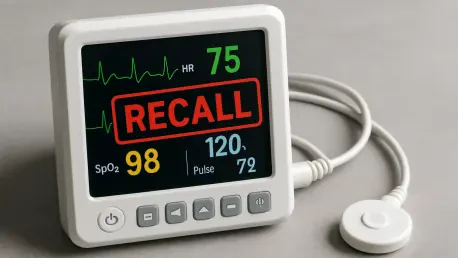

The discovery that an implanted or life-sustaining medical device is faulty currently triggers a recall process that can be dangerously slow, relying on communication methods that often fail to reach patients and providers in a timely manner. To address this critical gap in patient safety, Representative Janice D. Schakowsky has introduced the Medical Device Recall Improvement Act of 2025, a landmark piece of legislation designed to fundamentally modernize how these vital warnings are disseminated. The bill, designated H.R. 6594, moves to amend the Federal Food, Drug, and Cosmetic Act by replacing inconsistent and outdated notification procedures with a mandatory, standardized, and transparent electronic system. At its core, the legislation is driven by a singular mission: to ensure the swift and accurate delivery of recall information, thereby significantly reducing the risks posed by defective medical equipment and empowering both healthcare professionals and patients with the knowledge needed to take protective action.
A Digital Overhaul for Recall Notifications
The cornerstone of this legislative overhaul is the mandate for the Secretary of Health and Human Services (HHS) to establish and implement a centralized electronic notification system within two years of the bill’s enactment. This platform is envisioned as the single, authoritative source for all recall communications, designed to replace the fragmented and often unreliable methods used today. By creating a standardized digital format, the act aims to bring consistency and efficiency to a process where delays can have serious health consequences. This new infrastructure will serve as a direct and dependable channel between medical device manufacturers, regulatory bodies, and the healthcare community. After a 180-day grace period for industry adoption, manufacturers and importers will be required to submit all recall notifications through this electronic portal, ensuring that every alert conforms to the same high standard of clarity and completeness, effectively ending the era of disparate and confusing recall announcements.
To ensure that every alert is comprehensive and immediately actionable, the bill meticulously outlines the mandatory content for each electronic notification. The standardized format will require the full identification of the manufacturer or importer, a clear and concise justification for the recall detailing the specific defect or risk, and precise information about the affected devices. A critical component of this requirement is the inclusion of the Unique Device Identifier (UDI), which will enable the unambiguous tracking of specific device lots and models, eliminating guesswork for healthcare facilities. Furthermore, the legislation mandates a dual-focus communication strategy. Each notification must contain specific, actionable guidance for healthcare professionals and user facilities on how to effectively manage the recall. Simultaneously, and perhaps most importantly, it must include patient-centric information that clearly outlines the potential risks presented by the device and provides recommended actions they should take in consultation with their healthcare providers.
Ensuring Timeliness, Transparency, and Accountability
The legislation introduces a clear and time-sensitive workflow designed to accelerate the dissemination of critical safety information. Once a manufacturer or importer submits a recall notification through the new electronic system, the HHS Secretary is tasked with conducting an initial review within two business days. This rapid oversight step ensures the information is complete before instructing the manufacturer on the specific details that must be broadcast. Following this review, the company is obligated to transmit the finalized notification to all relevant healthcare facilities and professionals using the established electronic format. These new requirements are strategically focused on class I, II, and III devices where a recall is most critical: those implanted in the body, life-sustaining, life-supporting, or used extensively in pediatric populations. To ensure robust compliance, the bill introduces new “Prohibited Acts,” which add legal weight and penalties for any manufacturer or importer that fails to adhere to the risk communication mandates, giving the legislation significant regulatory authority.
A significant theme woven throughout the bill is the enhancement of public transparency and direct patient communication. It mandates that the HHS Secretary maintain a publicly accessible electronic database containing all recall notification information. This repository will serve as a powerful tool for patients, consumer advocates, and researchers, with a key requirement that the data be downloadable to facilitate large-scale analysis of medical device safety trends. Crucially, the legislation closes a persistent gap in the recall chain by explicitly requiring that strategies notify patients who have been treated with a recalled device. The workflow compels manufacturers to send detailed risk alerts to healthcare providers, who are then mandated to communicate this critical information directly to their affected patients. This will have a substantial operational impact on the medical device industry, compelling major companies such as Medtronic and Abbott Laboratories to invest in and adapt their internal processes to comply with the new format and stringent timelines, positioning patient safety and risk management as central pillars of corporate responsibility.
A Broader Push for Consumer Safeguards
The Medical Device Recall Improvement Act of 2025 did not emerge in a vacuum; it represented a key part of a broader legislative focus on consumer protection and public health championed by Representative Schakowsky, aligning with other proposed bills like the “Medical Device Nonvisual Accessibility Act” and the “TRUTH in Labeling Act.” Its passage signaled a fundamental shift away from a reactive recall system to a proactive, transparent, and digitally integrated framework. The bill’s provisions for specific funding—appropriating $6.7 million for fiscal year 2026 for development, followed by sustained funding for maintenance through 2030—underscored a serious commitment to the system’s long-term success and oversight. By mandating direct, timely, and clear communication, the legislation established a new standard of accountability for the medical device industry and provided a crucial new layer of protection for the millions of Americans who depend on these technologies for their health and well-being.