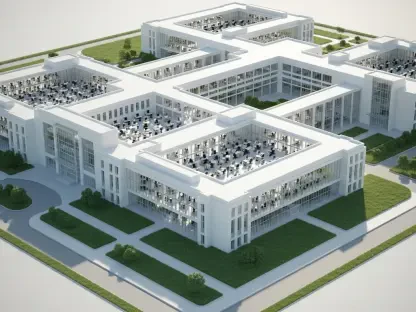

For decades, a diagnosis requiring specialized medical intervention in Kashmir has often been accompanied by the daunting prospect of a long and arduous journey to metropolitan centers like Delhi, a reality that has imposed immense financial and emotional burdens on countless families. This exodus for treatment, driven by a persistent gap in local healthcare infrastructure, has become a defining feature of the region’s medical landscape. The narrative, however, is beginning to shift with the establishment of a new 180-bed super-specialty hospital in Srinagar. This significant development is being hailed not merely as an addition of medical facilities but as a potential turning point, a foundational step toward achieving healthcare self-sufficiency and restoring public confidence. The ambition is to provide “healthcare at the doorstep,” a concept that promises to alleviate the deep-seated anxieties associated with seeking advanced care far from home and foster a new era of accessible, high-quality medical services within the Valley itself.
Addressing a Systemic Deficiency
The Exodus for Advanced Medical Care
The chronic deficiency in Kashmir’s healthcare system has long forced residents to look beyond the Valley for critical treatments in fields like oncology, advanced neurology, and cardiac surgery, creating a well-trodden path of medical migration. This necessity stems from a historical lack of state-of-the-art diagnostic equipment, modern medical infrastructure, and a sufficient number of specialized physicians to meet the population’s needs. The consequences of this systemic shortfall are profound, extending far beyond the immediate health concerns of the patient. Families have been compelled to liquidate savings, sell assets, and take on debilitating debt to cover the exorbitant costs of travel, accommodation, and private treatment in unfamiliar cities. This financial drain is compounded by the severe emotional and logistical stress placed on both patients and their caregivers, who must navigate complex urban environments while grappling with a serious illness. The persistent need to travel for essential care has gradually eroded public trust in the local healthcare system, fostering a perception of inadequacy that only reinforces the cycle of dependency on external facilities.
This reliance on distant hospitals has cultivated a socio-economic environment where a medical emergency can trigger a financial crisis for an entire family, undermining their long-term stability and well-being. The resources diverted to cover these external medical expenses are funds that could otherwise be invested in education, housing, or small business ventures, stunting local economic development and perpetuating a cycle of hardship. Moreover, the logistical challenges are immense; arranging travel, finding suitable accommodation near the hospital, and managing daily life in a new city while caring for a loved one adds an extraordinary layer of stress to an already difficult situation. This constant outflow of patients not only represents a significant financial drain from the regional economy but also a loss of confidence in the capabilities of local institutions. Over time, this has created a deep-seated belief that high-quality care is something that must be sought elsewhere, a narrative that the new infrastructure aims to fundamentally challenge by demonstrating a commitment to building a resilient and self-reliant healthcare ecosystem within Kashmir.
A Step Toward Self Sufficiency
The foundation of the new 180-bed super-specialty hospital in Srinagar is being positioned as a landmark achievement in the region’s journey toward healthcare autonomy. This initiative is more than a construction project; it is a tangible symbol of progress, designed to directly counter the long-standing necessity of medical travel. By aiming to provide complex treatments locally, the hospital embodies the principle of “healthcare at the doorstep,” a philosophy focused on making advanced medical services both geographically accessible and financially manageable for the residents of the Valley. This development aligns with a broader push for comprehensive healthcare reform championed by the central government, reflecting a strategic effort to bolster regional medical capabilities across the country. The local administration, in turn, aspires to leverage this private-sector investment to create a model of healthcare delivery that successfully integrates modern facilities, cutting-edge technology, and specialized expertise, thereby setting a new standard for medical services in the region and reducing the dependency on metropolitan hubs.
The introduction of a major private-sector hospital is expected to create a more dynamic and competitive healthcare landscape in Kashmir, ultimately benefiting patients by expanding their options for care. Rather than replacing existing government facilities, the new hospital is designed to complement them, filling critical gaps in specialized services and introducing a new level of quality and efficiency. This synergy between the public and private sectors can foster a more robust ecosystem where institutions are driven to innovate and improve their standards of care. By offering a viable local alternative for complex procedures, the hospital not only retains patients within the Valley but also encourages local medical talent to stay and practice in their home region. This move is a critical component of a larger strategy to build a self-sufficient healthcare system capable of meeting the evolving needs of its population, ensuring that a diagnosis no longer necessitates a disruptive and costly journey away from home.
Beyond Bricks and Mortar
The Ripple Effect on Society
The socio-economic implications of establishing a local super-specialty hospital extend far beyond the immediate provision of medical services. By eliminating the need for expensive and stressful travel to other cities, families can preserve their financial resources, which has a transformative effect on their overall well-being. The funds previously earmarked for flights, accommodations, and out-of-pocket medical expenses in distant metropolitan areas can now be redirected toward other essential needs, such as children’s education, nutritional improvements, or investments in small family businesses. This reallocation of resources can significantly enhance a family’s quality of life and create opportunities for upward mobility. Furthermore, the ability to receive care close to home reduces the immense emotional and psychological burden on patients and their families. The familiar support system of friends and community, coupled with the comfort of one’s own environment, can play a crucial role in the recovery process, fostering a more positive and less stressful healing journey.
A healthy population is the bedrock of a productive and prosperous society, and investing in accessible healthcare is a direct investment in the region’s human capital and economic future. When people have reliable access to quality medical care, they are better able to work, contribute to the economy, and participate fully in community life. The presence of advanced medical facilities strengthens the social fabric by demonstrating a collective commitment to the well-being of all citizens. This, in turn, fosters a greater sense of security and stability. As the need for medical migration diminishes, the local economy benefits from retaining the significant capital that was once flowing out of the region. This infusion of resources, combined with the job creation associated with the new hospital, can stimulate further economic growth and contribute to building a more resilient and self-reliant society where health and prosperity are intertwined.
A Foundation for Future Growth
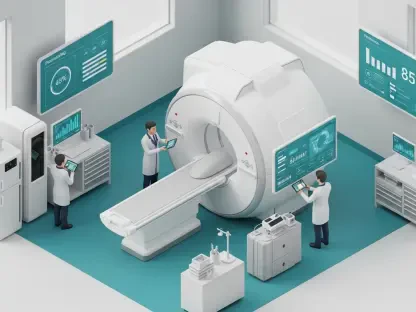
The successful construction of the new hospital marked a pivotal first step, but the long-term cure for the region’s healthcare challenges will depend on a sustained and multifaceted commitment. The true measure of this initiative’s success will be determined by its ability to attract and retain highly skilled medical professionals, from specialist surgeons to expert technicians and nursing staff. A state-of-the-art building is merely a shell without the expertise to operate it effectively. Continuous investment in cutting-edge diagnostic and treatment technologies will be equally crucial to ensure the hospital remains a center of excellence and can provide care that is on par with the best facilities in the country. Most importantly, policies must be enacted to guarantee that these advanced services are accessible and affordable to all segments of the population, not just those with the means to pay premium prices. The government’s role will be to create a regulatory framework that balances the financial viability of private-sector involvement with the fundamental principle of healthcare as a universal right, ensuring that progress does not widen the gap between the privileged and the vulnerable.