
The intersection of chronic disease management and health insurance reform is reaching a critical tipping point in Ohio as hundreds of thousands of residents grapple with the complexities of long-term illness. While the traditional medical model often prioritizes acute interventions during moments of crisis, a shift toward early palliative care promises to stabilize the lives of patients long before an emergency room visit becomes necessary. By integrating specialized support systems into the standard benefits of Medicaid and Medicare programs, healthcare providers are attempting to bridge the gap between clinical treatment and the lived experience of those suffering from debilitating conditions. This transition is not merely a change in service delivery but a fundamental reimagining of how a state-wide healthcare network can sustain its most vulnerable members through proactive, interdisciplinary engagement. The success of this initiative could provide a vital blueprint for other regions facing similar demographic challenges and rising healthcare expenditures.
Structural Innovations in Managed Care Delivery
Integration of Multidisciplinary Support Teams
The implementation of a comprehensive palliative care model relies on the seamless integration of diverse clinical expertise, moving beyond the siloed approach of traditional medicine. By deploying teams that include physicians, nurse practitioners, social workers, and registered nurses, the partnership ensures that every facet of a patient’s well-being is addressed simultaneously. These teams do not replace primary care providers or specialists but instead act as a cohesive layer of support that navigates the intricate details of complex treatment plans. This collaborative structure is specifically designed to provide constant clinical oversight, offering 24/7 access to professionals who can manage urgent symptoms as they arise. Such a high level of availability reduces the anxiety often felt by patients who otherwise might wait days for an appointment, only to see their condition worsen in the interim. The ability to reach a qualified clinician at any hour provides a safety net that is essential for managing the unpredictable nature of serious illness.
Furthermore, this interdisciplinary approach extends into the logistical and emotional realms, recognizing that medical needs do not exist in a vacuum. Social workers within these teams play a pivotal role in identifying social determinants of health, such as housing instability or nutritional deficits, which can significantly impact a patient’s ability to adhere to medical advice. By coordinating care across various providers and insurance platforms, the program simplifies the often-bewildering administrative landscape for families. This coordination ensures that all members of a patient’s medical circle are aligned on goals of care, which is particularly vital during the early stages of a diagnosis. As these teams work to clarify complex medical decisions and manage distressing symptoms like pain or shortness of breath, the focus remains steadfastly on the patient’s quality of life. This holistic strategy transforms the patient experience from one of fragmented interactions to a continuous journey supported by a dedicated professional network.
Hybrid Models and Virtual Care Expansion
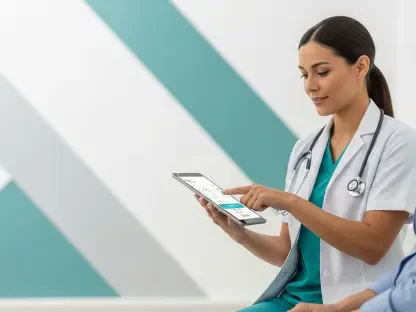
To reach a vast population spanning urban centers and rural landscapes, the utilization of a hybrid delivery model has become a cornerstone of modern palliative care. This strategy combines the intimacy and clinical depth of in-person home visits with the immediate scalability of telehealth and virtual monitoring. By leveraging digital platforms, clinicians can maintain a consistent presence in the lives of over 400,000 members, ensuring that geographical barriers do not dictate the quality of care received. For patients living in remote areas of Ohio, virtual consultations offer a lifeline to specialists who might otherwise be hours away, allowing for rapid adjustments to medications or care plans. This flexibility is crucial in maintaining engagement, as it permits patients to receive high-level medical guidance in the comfort of their own homes. The technology acts as a bridge, facilitating real-time communication between the care team and the family, which is essential for proactive symptom management and early intervention.
Moreover, the hybrid approach addresses the physical limitations that often accompany serious illness, where traveling to a clinic can be an exhausting or even impossible task. When a patient’s condition stabilizes, telephonic support and virtual check-ins provide a non-intrusive way to monitor progress and identify potential red flags before they escalate into crises. Conversely, when a patient faces a decline or a complex symptom flare-up, the model allows for the deployment of in-person resources to provide hands-on assistance. This dynamic scalability ensures that resources are allocated efficiently, prioritizing intensive face-to-face interaction for those in the highest need while maintaining a vigilant watch over the broader population. By integrating these technological tools into the Medicaid and Medicare frameworks, the program demonstrates how digital health can be used not just for convenience, but as a clinical necessity in managing the long-term health of a diverse and aging population across the state.
Socioeconomic Impacts and Systemic Sustainability
Mitigating Caregiver Burnout and Employment Strain
The ripple effects of serious illness extend far beyond the individual patient, placing an immense and often invisible burden on family members who act as primary caregivers. In Ohio, a significant portion of the adult population is tasked with managing the complex needs of loved ones while simultaneously maintaining their own professional and personal responsibilities. This dual role frequently leads to emotional exhaustion, physical health decline, and financial instability for the caregiver, creating a secondary public health crisis. The specialized palliative model targets this specific issue by providing caregivers with professional guidance and “hands-on” support that alleviates the pressure of making difficult medical decisions alone. By establishing clear lines of communication and providing education on symptom management, the program empowers families to handle daily challenges with greater confidence. This shift from reactive crisis management to proactive support helps to preserve the caregiver’s own well-being and long-term ability to provide care.
In addition to individual relief, the economic implications of supporting caregivers are profound for the broader workforce. Many caregivers in the state are forced to reduce their working hours or leave the workforce entirely to meet the demands of a sick family member, leading to a loss of productivity and household income. When palliative care teams step in to coordinate appointments, manage equipment deliveries, and provide clinical stability, they effectively return time and mental energy to the caregiver. This support allows individuals to remain engaged in their careers, reducing the economic strain on families and the state’s labor market. By recognizing the caregiver as a vital component of the patient’s “unit of care,” the program addresses the systemic reality that healthcare outcomes are inextricably linked to the stability of the home environment. Reducing family burnout not only improves the patient’s immediate surroundings but also fosters a more resilient social fabric as the prevalence of chronic illness continues to rise.
Economic Value of Proactive Symptom Management
The transition toward value-based healthcare is fundamentally driven by the need to optimize resource allocation while improving patient outcomes through consistent oversight. High-cost interventions, such as emergency room visits and unplanned hospitalizations, are frequently the result of inadequately managed symptoms or a lack of clinical guidance during a health fluctuation. By focusing on early palliative intervention, the healthcare system can address these issues in a residential setting, preventing the escalation of manageable conditions into full-scale medical emergencies. This approach does not involve the withholding of necessary medical services; rather, it emphasizes the delivery of the right care at the right time. For payers and providers, this results in a significant reduction in unnecessary medical spend, as the costs associated with intensive hospital stays are often far higher than the investment required for proactive, home-based palliative support. The efficiency gained through this model allows for a more sustainable healthcare budget.
Furthermore, the data generated from these integrated care models provides valuable insights into the long-term management of chronic populations within Medicaid and Medicare frameworks. By tracking the effectiveness of early interventions, healthcare administrators can refine their strategies to better serve members with multiple comorbidities. The economic impact is seen in the stabilization of insurance premiums and the more effective use of public funds, as the system moves away from a “fee-for-service” mentality that rewards volume over value. This shift encourages a focus on the patient’s overall health trajectory, ensuring that resources are spent on interventions that actually enhance the quality of life and longevity. As more healthcare entities adopt these value-based strategies, the standard of care in Ohio is likely to evolve toward a more compassionate and fiscally responsible model. The ultimate goal is to create a system where financial incentives are perfectly aligned with the best interests of the patient, ensuring that the healthcare infrastructure remains robust for years to come.
Future Considerations for Healthcare Integration
As the healthcare landscape continues to evolve, the integration of specialized palliative services into standard insurance products will likely become a mandatory component of comprehensive care delivery. Organizations must now look toward expanding these models to include more personalized data analytics, allowing for the identification of high-risk patients even earlier in their disease progression. The transition observed in Ohio suggests that the future of medicine lies in the ability to merge high-tech monitoring with high-touch human interaction, ensuring that no patient is left to navigate a serious illness in isolation. Moving forward, providers should prioritize the training of more interdisciplinary clinicians to meet the growing demand for these services, as the current workforce must expand to keep pace with demographic shifts. It is also essential for policymakers to recognize the legislative value of supporting palliative care, potentially through tax incentives for caregivers or expanded coverage for home-based clinical teams. These steps will ensure that the current progress in Ohio is not just a temporary initiative but a permanent shift in how American healthcare functions. Ultimately, the goal is to foster a system where every individual facing a serious illness has access to the dignity, relief, and professional support they deserve from the moment of diagnosis.